 Milan-Cortina 2026 Olympic Winter Games: freestyle skiing women's freeski slopestyle qualification
Orange Jordan Sponsors Al Hussein Technical University’s "Leadathon"
The CEO of Orange Jordan Visits Yarmouk University President to Strengthen the Strategic Partnership
*Orange Jordan Showcases Fabrication Lab Innovations at the Makers’ Forum
3 Winners at Orange Summer Challenge 2024 Join the “Social Innovation” Journey Fostering "Tech4Impact”
Estarta Named Cisco Systems' Distinguished Supplier of the Year 2024
Milan-Cortina 2026 Olympic Winter Games: freestyle skiing women's freeski slopestyle qualification
Orange Jordan Sponsors Al Hussein Technical University’s "Leadathon"
The CEO of Orange Jordan Visits Yarmouk University President to Strengthen the Strategic Partnership
*Orange Jordan Showcases Fabrication Lab Innovations at the Makers’ Forum
3 Winners at Orange Summer Challenge 2024 Join the “Social Innovation” Journey Fostering "Tech4Impact”
Estarta Named Cisco Systems' Distinguished Supplier of the Year 2024
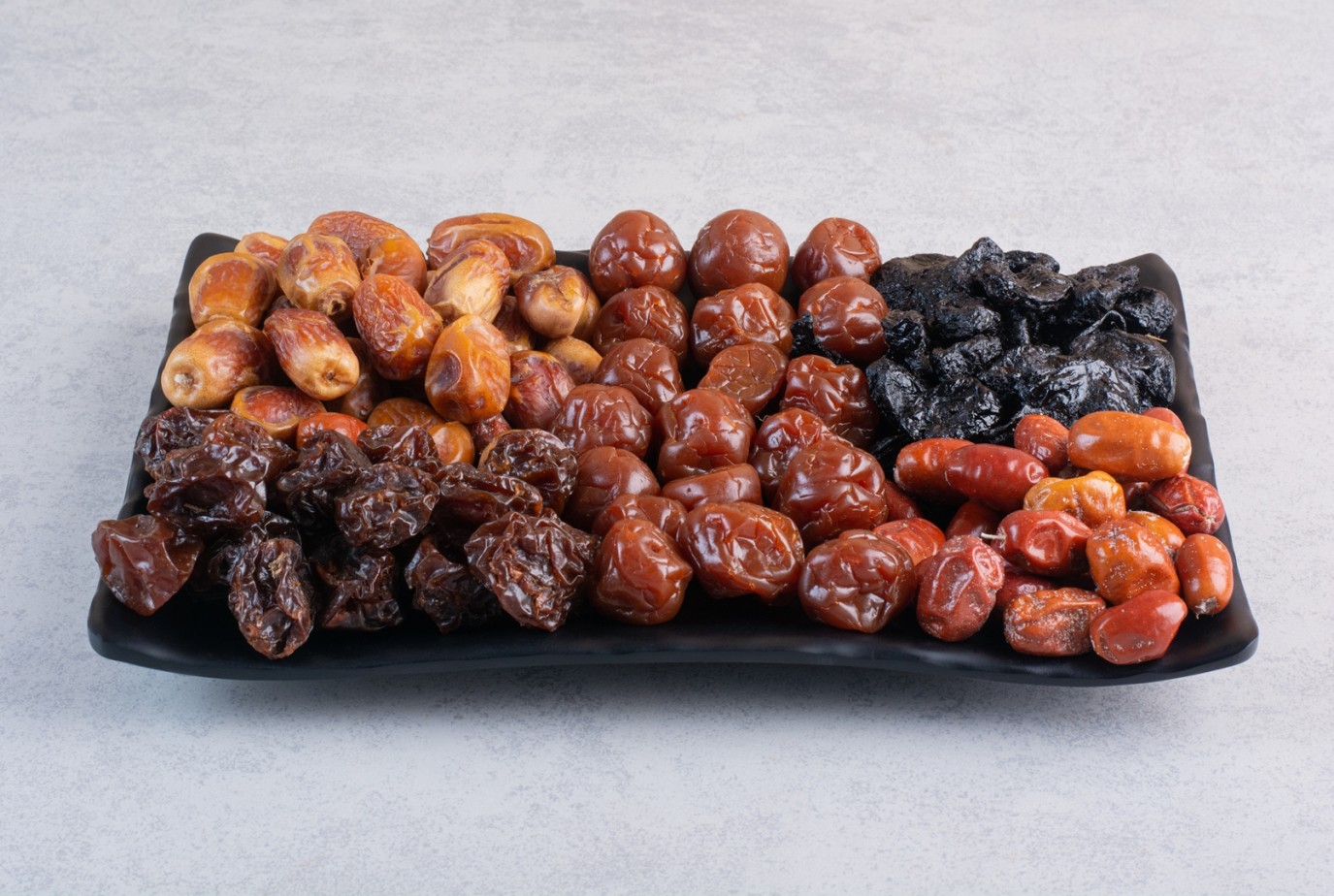
Dates and fresh dates, both fruits of the date palm, have been a staple in Middle Eastern diets for centuries. While they originate from the same source, their nutritional profiles differ significantly due to varying stages of ripeness and processing.
The key distinction lies in their moisture content. Fresh dates, also known as ‘Rutab,’ boast a higher water percentage, rendering them softer and less concentrated in sugars. Conversely, dried dates undergo a dehydration process, resulting in a more intense sweetness and a denser concentration of nutrients.
From a caloric perspective, dried dates pack more energy per serving. The drying process concentrates the natural sugars, making them an excellent source of quick energy. However, this also means they are higher in calories compared to their fresh counterparts.
Fiber content is another area where dried dates excel. They contain a substantially higher amount of dietary fiber, aiding in digestion and promoting feelings of fullness. This makes them a beneficial addition to diets focused on weight management and digestive health.
In terms of vitamins and minerals, both fresh and dried dates offer a range of essential nutrients. Dried dates generally contain higher concentrations of minerals like iron, potassium, and calcium. Fresh dates, on the other hand, may retain a greater proportion of certain vitamins and antioxidants that can be diminished during the drying process.
The glycemic index (GI) is also an important consideration. Despite their sweetness, dates have a relatively low to medium GI, meaning they don't cause rapid spikes in blood sugar levels. However, moderation is still advised, especially for individuals with diabetes.
Ultimately, the choice between fresh and dried dates depends on individual preferences and dietary goals. Fresh dates offer a refreshing, less calorie-dense option, while dried dates provide a concentrated source of energy and fiber.
Whether consumed fresh or dried, dates are a nutritious addition to any diet, offering a wealth of vitamins, minerals, and antioxidants. Understanding the nuances between the two forms allows for informed choices that align with specific health needs and taste preferences.
Consider incorporating dates into your diet as a natural sweetener, a pre-workout energy boost, or a satisfying snack. Their versatility and nutritional benefits make them a valuable asset to a balanced lifestyle.