 إذهبوا إلى الحبشة فإن فيها منطقة حرة لا يظلم فيها أحد!!
مهرجان جرش السينمائي الدولي.. أفكار خارج الصندوق
بعزمٍ وطني.. الجنوب يحجز قطرات الغيث لسنين القحط
الجغبير: المعاملة بالمثل مع سوريا يقوم على الأرقام الكاملة لا الاجتزاء والمعاملة بالمثل أولوية
بحضور رئيس الديوان الملكي وبرعاية رئيس الجامعة: طلبة طب الأسنان في عمّان الأهلية يؤدّون قسم المهنة لبدء التدريب السريري
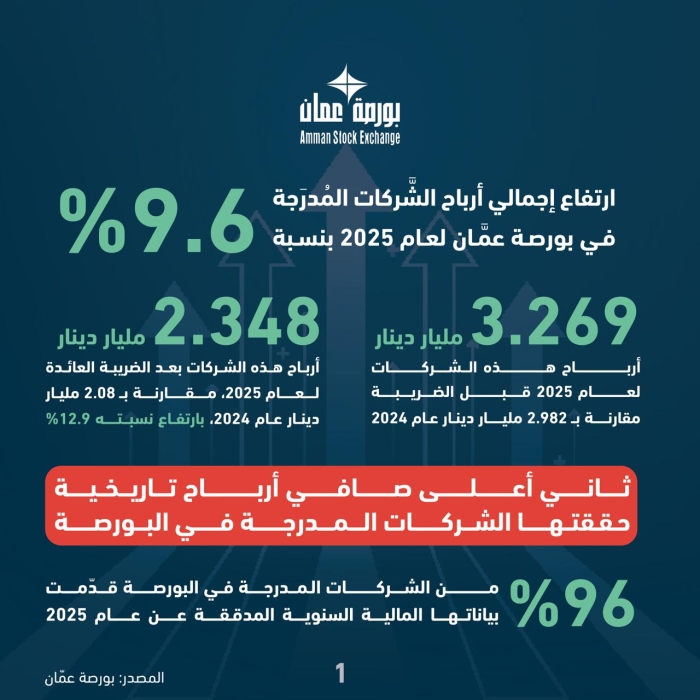
ارتفاع إجمالي أرباح الشَّركات المُدرجة في البورصة قبل الضَّريبة بنسبة 9.6% خلال عام 2025
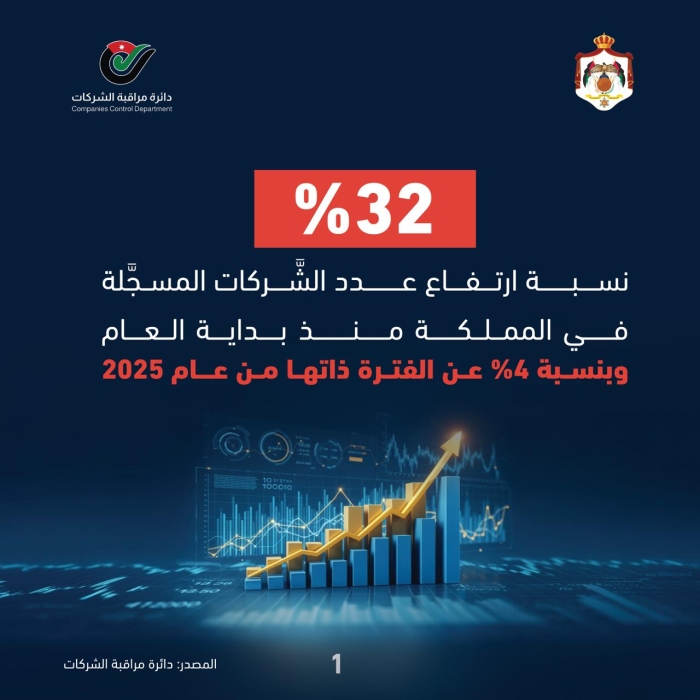
ارتفاع عدد الشَّركات المسجَّلة في المملكة منذ بداية العام بنسبة 32%
التمور الأردنية تتوسع عالميا وتصل إلى 55 سوقا دوليا
المومني: الملك يقوم بعمل دبلوماسي مكثف تمثل بأكثر من 55 اتصالا هاتفيا مع زعماء العالم
أمين عام سلطة وادي الأردن يتفقد مواقع مقترحة لإنشاء سدود في الجنوب
حزب عزم يبدأ مناقشة مشروع قانون الملكية العقارية .
الأمن العام: تعاملنا مع 585 بلاغا لحوادث سقوط بقايا صواريخ وشظايا شملت محافظات المملكة كافة
المومني: ندير الأزمة بكل كفاءة واقتدار وهدفنا حماية الأردن وتقليل التداعيات
الجيش: إيران استهدفت الأردن منذ بدء الحرب بـ 281 صاروخا ومسيرة اعترضنا 261 منها
المياه : ضبط اعتداءات في الطنيب واللبن والمفرق واربد تسحب كميات كبيرة
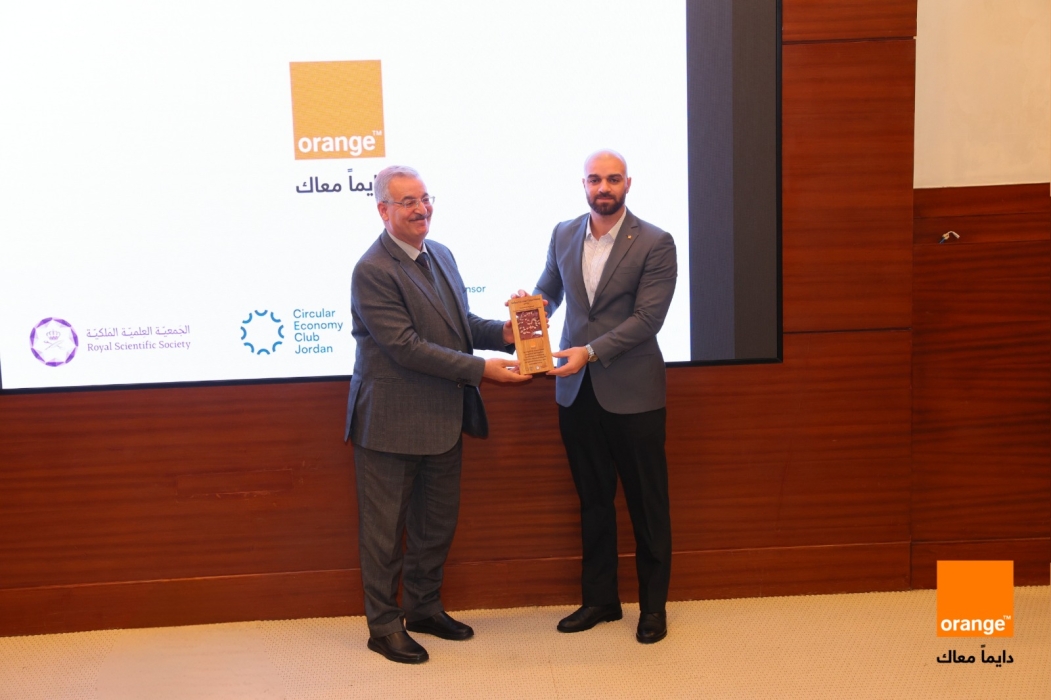
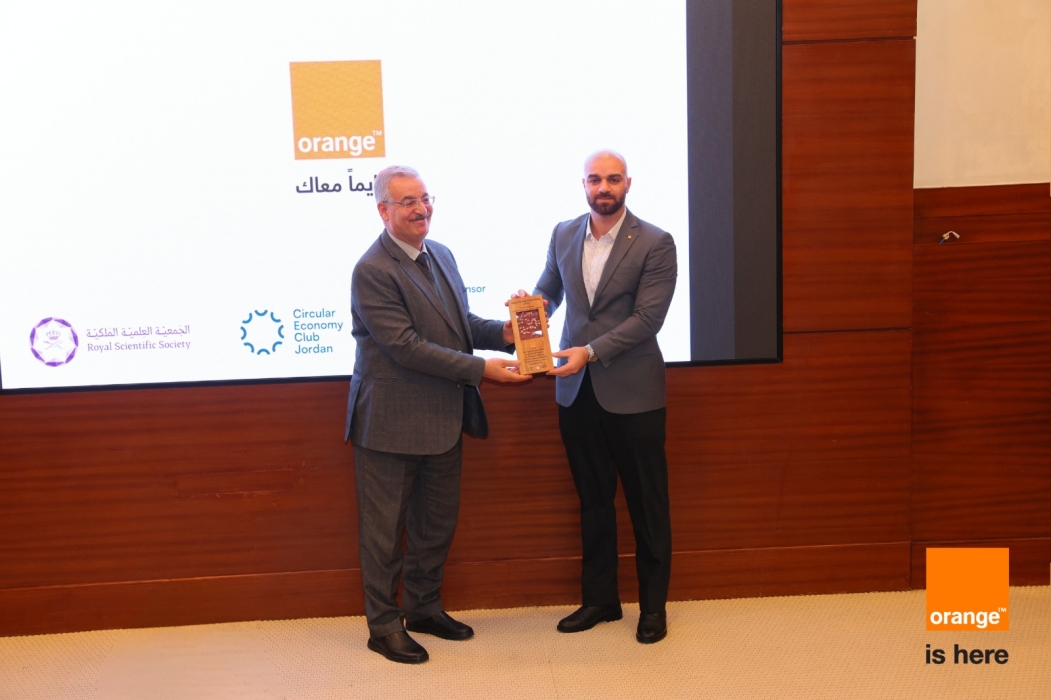
أورنج تدعم أسبوع الريادة العالمي 2026 كالراعي الحصري لتعزيز الاستدامة والمرونة الاقتصادية
تأهل تاريخي للمونديال لـ"النشامى" يعزز حضور الأردن في السياحة العالمية
"الجمارك" تضبط 3 قضايا تهريب نوعية خلال 48 ساعة
«أهان النساء» لسان نيمار يهدده بالغياب عن كأس العالم 2026
تعليق الحركة في منفذ "الشلامجة" بين العراق وإيران بعد استهدافه
إذهبوا إلى الحبشة فإن فيها منطقة حرة لا يظلم فيها أحد!!
مهرجان جرش السينمائي الدولي.. أفكار خارج الصندوق
بعزمٍ وطني.. الجنوب يحجز قطرات الغيث لسنين القحط
الجغبير: المعاملة بالمثل مع سوريا يقوم على الأرقام الكاملة لا الاجتزاء والمعاملة بالمثل أولوية
بحضور رئيس الديوان الملكي وبرعاية رئيس الجامعة: طلبة طب الأسنان في عمّان الأهلية يؤدّون قسم المهنة لبدء التدريب السريري
ارتفاع إجمالي أرباح الشَّركات المُدرجة في البورصة قبل الضَّريبة بنسبة 9.6% خلال عام 2025
ارتفاع عدد الشَّركات المسجَّلة في المملكة منذ بداية العام بنسبة 32%
التمور الأردنية تتوسع عالميا وتصل إلى 55 سوقا دوليا
المومني: الملك يقوم بعمل دبلوماسي مكثف تمثل بأكثر من 55 اتصالا هاتفيا مع زعماء العالم
أمين عام سلطة وادي الأردن يتفقد مواقع مقترحة لإنشاء سدود في الجنوب
حزب عزم يبدأ مناقشة مشروع قانون الملكية العقارية .
الأمن العام: تعاملنا مع 585 بلاغا لحوادث سقوط بقايا صواريخ وشظايا شملت محافظات المملكة كافة
المومني: ندير الأزمة بكل كفاءة واقتدار وهدفنا حماية الأردن وتقليل التداعيات
الجيش: إيران استهدفت الأردن منذ بدء الحرب بـ 281 صاروخا ومسيرة اعترضنا 261 منها
المياه : ضبط اعتداءات في الطنيب واللبن والمفرق واربد تسحب كميات كبيرة
أورنج تدعم أسبوع الريادة العالمي 2026 كالراعي الحصري لتعزيز الاستدامة والمرونة الاقتصادية
تأهل تاريخي للمونديال لـ"النشامى" يعزز حضور الأردن في السياحة العالمية
"الجمارك" تضبط 3 قضايا تهريب نوعية خلال 48 ساعة
«أهان النساء» لسان نيمار يهدده بالغياب عن كأس العالم 2026
تعليق الحركة في منفذ "الشلامجة" بين العراق وإيران بعد استهدافه
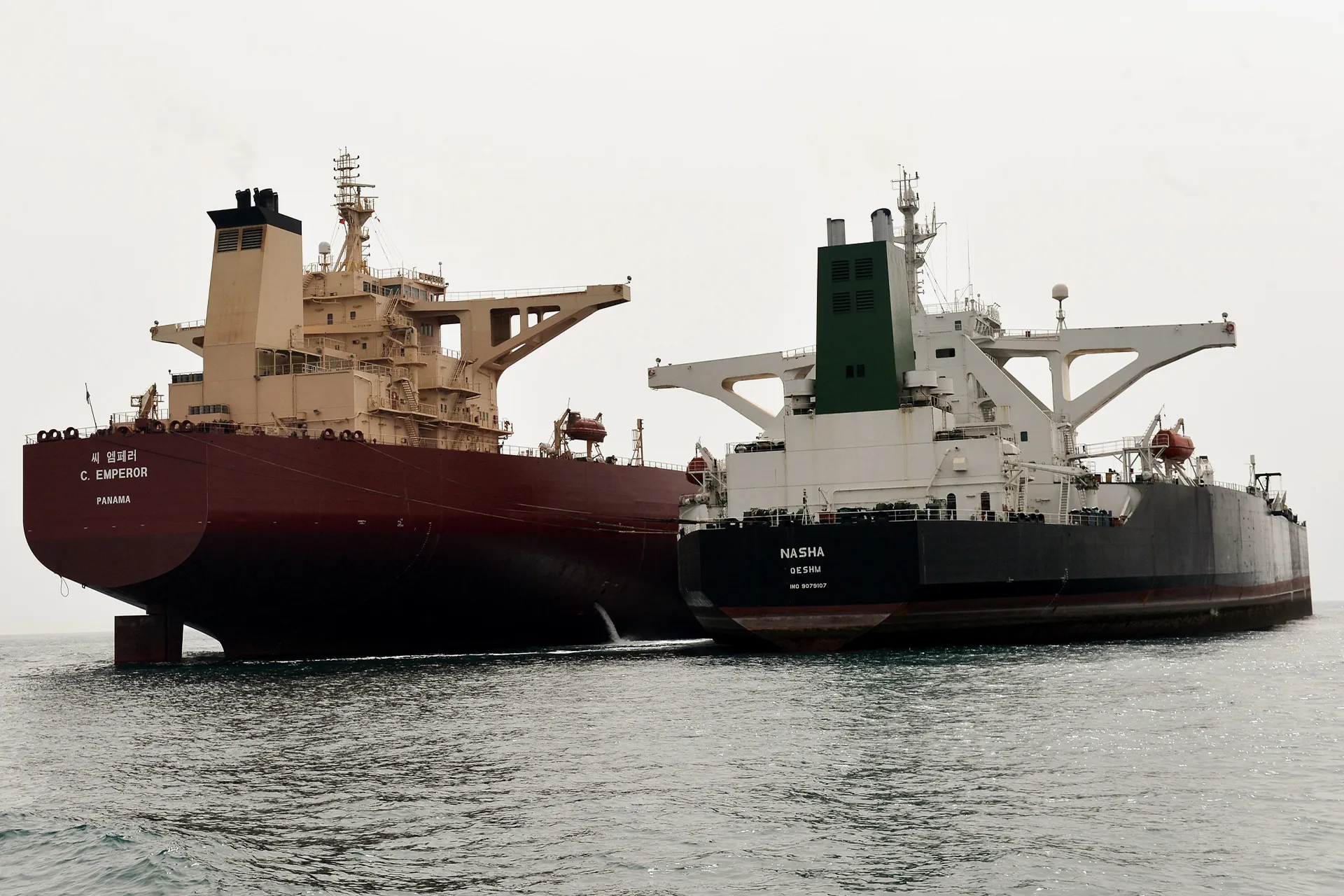
Escalating tensions between the U.S., Israel, and Iran are casting a shadow over global oil markets, raising concerns about potential disruptions to crude oil supplies and a surge in prices.
The most immediate threat to oil supplies remains the Strait of Hormuz, a vital shipping lane through which approximately 20% of the world's liquid petroleum passes. Iran has repeatedly threatened to block this waterway, a chokepoint that connects Middle Eastern oil producers to the rest of the world.
In 2024, nearly 20 million barrels of crude oil transited the Strait of Hormuz daily. Its strategic importance is amplified by its narrow width of roughly 50 kilometers and a shallow depth of just 60 meters.
According to Ole Hansen, an analyst at Saxo Bank, only Saudi Arabia and the UAE possess meaningful alternative infrastructure. However, these routes can only transport a maximum of 2.6 million barrels per day.
Beyond the Strait of Hormuz, analysts point to Iran's significant oil production capacity as a factor. Despite a sharp decline since the 1970s due to successive rounds of U.S. sanctions, Iran remains a top 10 global oil producer.
Arne Lohmann Rasmussen, chief analyst at Global Risk Management, noted that in 1974, Iran was the world's third-largest producer, after the U.S. and Saudi Arabia, and before Russia, producing approximately 6 million barrels per day.
Currently, Iran produces around 3.1 million barrels per day, according to OPEC. The country also holds the world's third-largest reserves of crude oil.
Moreover, Iran's oil industry is considered to be in better condition than that of Venezuela, which has also been affected by U.S. sanctions for years.
Iranian crude oil is relatively easy and inexpensive to extract, with production costs as low as $10 per barrel. This makes it highly profitable. Few countries, such as Saudi Arabia, Iraq, Kuwait, and the UAE, have similarly low production costs, while Western companies in Canada and the U.S. face costs between $40 and $60 per barrel.
These low costs allow Iran to benefit significantly from high global prices, which is vital for an economy heavily reliant on oil revenues. China remains the primary buyer, consuming over 80% of Iranian exports (between 1.3 and 1.5 million barrels per day) through independent refineries.
Regional neighbors, particularly the Gulf states, Turkey, and Pakistan, are concerned about potential Iranian retaliation, especially as their hosting of U.S. military sites places them in the line of fire.
Pierre Razoux, director of studies at the Mediterranean Foundation for Strategic Studies, said that the Iranians "have enough medium-range missiles to hit vital points," including hydrocarbon centers, power plants, and seawater desalination plants.
A surge in oil prices also threatens a resurgence of global inflation, potentially harming the global economy and impacting U.S. domestic policy.