 إذهبوا إلى الحبشة فإن فيها منطقة حرة لا يظلم فيها أحد!!
مهرجان جرش السينمائي الدولي.. أفكار خارج الصندوق
بعزمٍ وطني.. الجنوب يحجز قطرات الغيث لسنين القحط
الجغبير: المعاملة بالمثل مع سوريا يقوم على الأرقام الكاملة لا الاجتزاء والمعاملة بالمثل أولوية
بحضور رئيس الديوان الملكي وبرعاية رئيس الجامعة: طلبة طب الأسنان في عمّان الأهلية يؤدّون قسم المهنة لبدء التدريب السريري
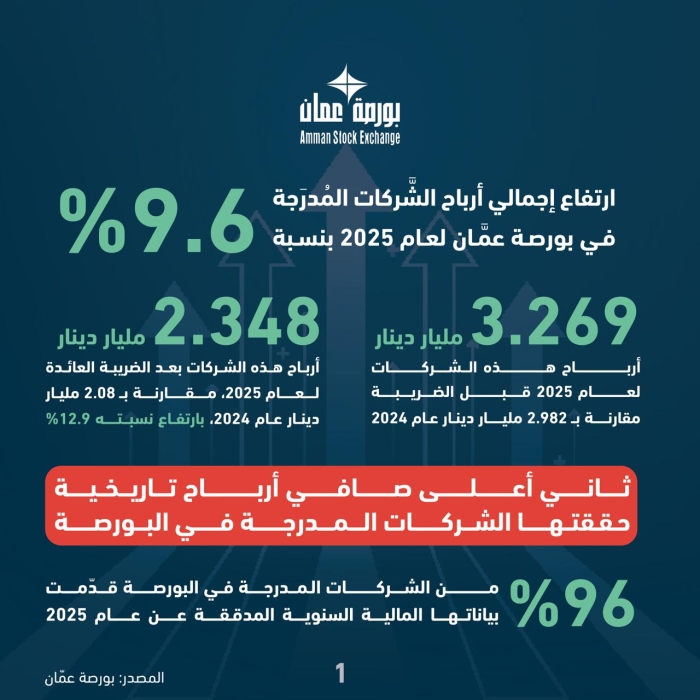
ارتفاع إجمالي أرباح الشَّركات المُدرجة في البورصة قبل الضَّريبة بنسبة 9.6% خلال عام 2025
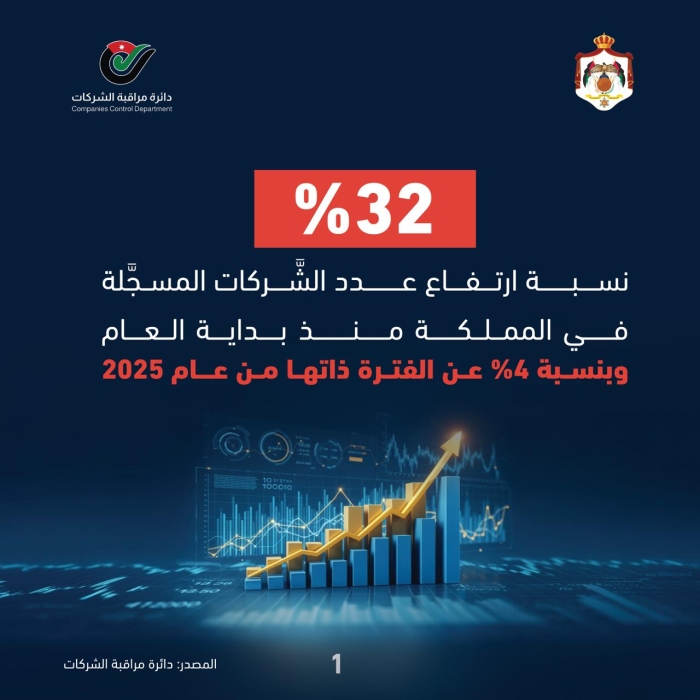
ارتفاع عدد الشَّركات المسجَّلة في المملكة منذ بداية العام بنسبة 32%
التمور الأردنية تتوسع عالميا وتصل إلى 55 سوقا دوليا
المومني: الملك يقوم بعمل دبلوماسي مكثف تمثل بأكثر من 55 اتصالا هاتفيا مع زعماء العالم
أمين عام سلطة وادي الأردن يتفقد مواقع مقترحة لإنشاء سدود في الجنوب
حزب عزم يبدأ مناقشة مشروع قانون الملكية العقارية .
الأمن العام: تعاملنا مع 585 بلاغا لحوادث سقوط بقايا صواريخ وشظايا شملت محافظات المملكة كافة
المومني: ندير الأزمة بكل كفاءة واقتدار وهدفنا حماية الأردن وتقليل التداعيات
الجيش: إيران استهدفت الأردن منذ بدء الحرب بـ 281 صاروخا ومسيرة اعترضنا 261 منها
المياه : ضبط اعتداءات في الطنيب واللبن والمفرق واربد تسحب كميات كبيرة
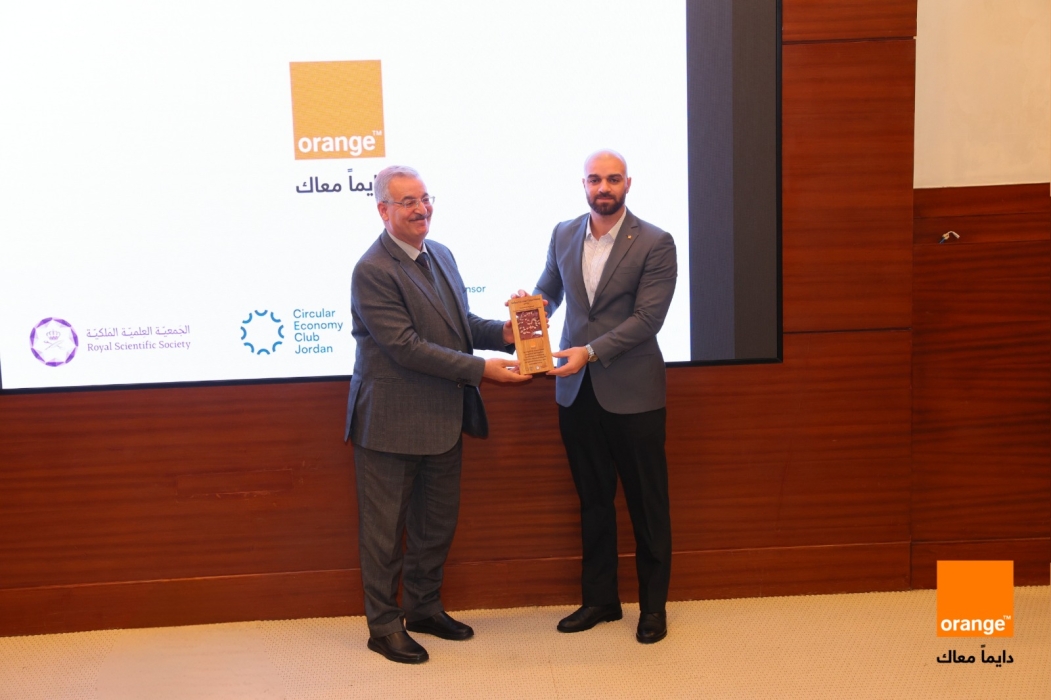
أورنج تدعم أسبوع الريادة العالمي 2026 كالراعي الحصري لتعزيز الاستدامة والمرونة الاقتصادية
تأهل تاريخي للمونديال لـ"النشامى" يعزز حضور الأردن في السياحة العالمية
"الجمارك" تضبط 3 قضايا تهريب نوعية خلال 48 ساعة
«أهان النساء» لسان نيمار يهدده بالغياب عن كأس العالم 2026
تعليق الحركة في منفذ "الشلامجة" بين العراق وإيران بعد استهدافه
إذهبوا إلى الحبشة فإن فيها منطقة حرة لا يظلم فيها أحد!!
مهرجان جرش السينمائي الدولي.. أفكار خارج الصندوق
بعزمٍ وطني.. الجنوب يحجز قطرات الغيث لسنين القحط
الجغبير: المعاملة بالمثل مع سوريا يقوم على الأرقام الكاملة لا الاجتزاء والمعاملة بالمثل أولوية
بحضور رئيس الديوان الملكي وبرعاية رئيس الجامعة: طلبة طب الأسنان في عمّان الأهلية يؤدّون قسم المهنة لبدء التدريب السريري
ارتفاع إجمالي أرباح الشَّركات المُدرجة في البورصة قبل الضَّريبة بنسبة 9.6% خلال عام 2025
ارتفاع عدد الشَّركات المسجَّلة في المملكة منذ بداية العام بنسبة 32%
التمور الأردنية تتوسع عالميا وتصل إلى 55 سوقا دوليا
المومني: الملك يقوم بعمل دبلوماسي مكثف تمثل بأكثر من 55 اتصالا هاتفيا مع زعماء العالم
أمين عام سلطة وادي الأردن يتفقد مواقع مقترحة لإنشاء سدود في الجنوب
حزب عزم يبدأ مناقشة مشروع قانون الملكية العقارية .
الأمن العام: تعاملنا مع 585 بلاغا لحوادث سقوط بقايا صواريخ وشظايا شملت محافظات المملكة كافة
المومني: ندير الأزمة بكل كفاءة واقتدار وهدفنا حماية الأردن وتقليل التداعيات
الجيش: إيران استهدفت الأردن منذ بدء الحرب بـ 281 صاروخا ومسيرة اعترضنا 261 منها
المياه : ضبط اعتداءات في الطنيب واللبن والمفرق واربد تسحب كميات كبيرة
أورنج تدعم أسبوع الريادة العالمي 2026 كالراعي الحصري لتعزيز الاستدامة والمرونة الاقتصادية
تأهل تاريخي للمونديال لـ"النشامى" يعزز حضور الأردن في السياحة العالمية
"الجمارك" تضبط 3 قضايا تهريب نوعية خلال 48 ساعة
«أهان النساء» لسان نيمار يهدده بالغياب عن كأس العالم 2026
تعليق الحركة في منفذ "الشلامجة" بين العراق وإيران بعد استهدافه
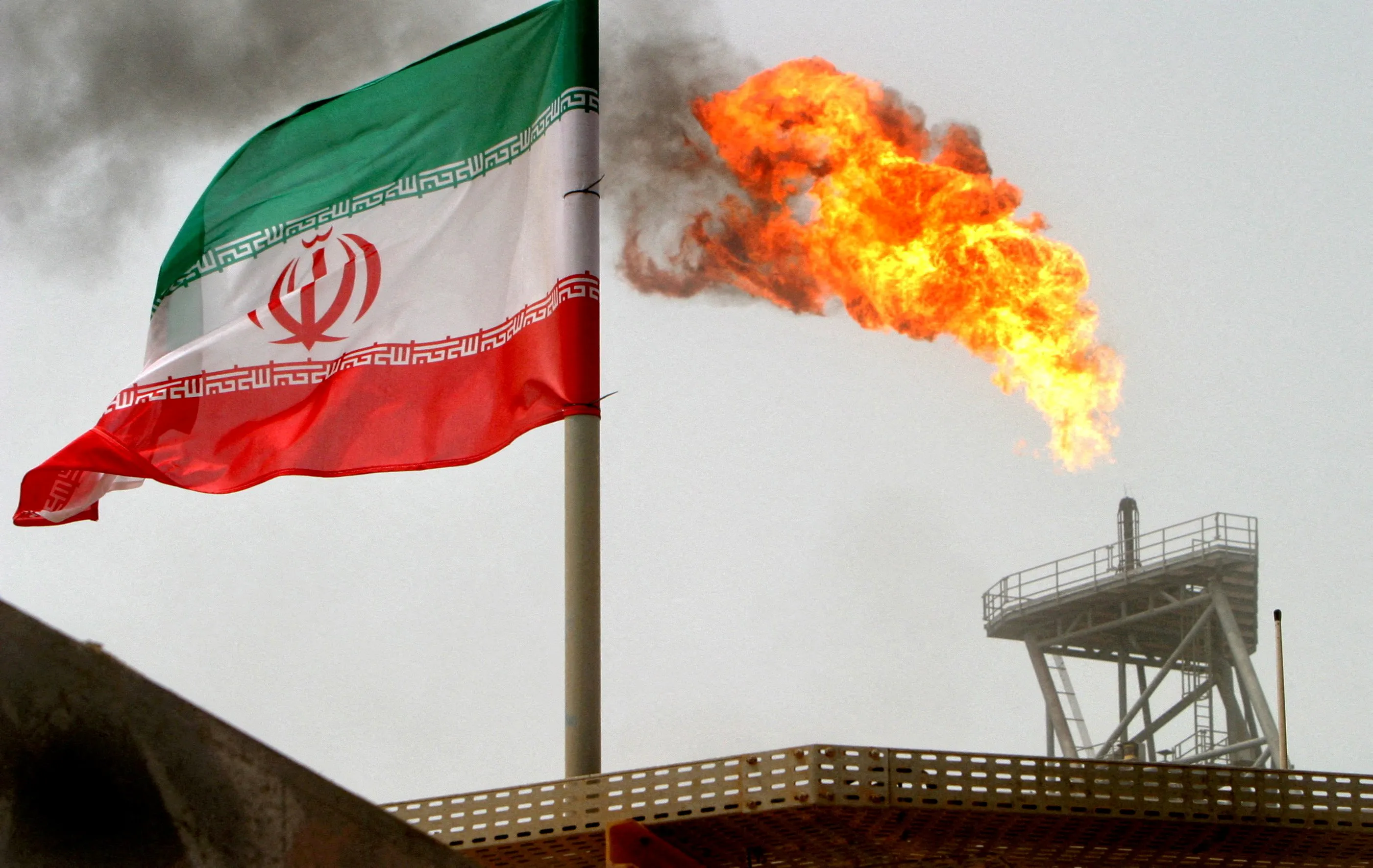
Recent reports indicate that explosions have been heard in Tehran and other Iranian cities, including Qom, Isfahan, Kermanshah, and Karaj.
Iran, a major player in the global energy market, possesses significant oil and gas reserves. Despite international sanctions, the country continues to produce and export these resources, playing a crucial role in the region's energy landscape.
Iran holds the world's largest natural gas reserves, much of which is located in the offshore South Pars field. This field, shared with Qatar, accounts for approximately one-third of the world's total natural gas reserves. Due to sanctions and technical limitations, most of the gas extracted from South Pars is allocated for domestic consumption within Iran.
The South Pars field is situated in the Bushehr province, in southern Iran, and its Iranian section spans 3,700 square kilometers. The entire field covers about 9,700 square kilometers, with the Qatari portion known as the North Field. Estimates suggest the field contains around 1,800 trillion cubic feet of recoverable gas, potentially meeting global gas needs for 13 years. Current production reaches approximately 700 million cubic meters daily, accounting for 6% to 10% of global output, according to the International Energy Agency.
Data from the Gas Exporting Countries Forum reveals that Iran's total natural gas production in 2024 amounted to 276 billion cubic meters, with domestic consumption absorbing 94% of this volume. In June, reported attacks targeted four units of Phase 14 of the South Pars field.
Iran's oil and gas production facilities are primarily concentrated in the southwestern provinces, with oil facilities in Khuzestan province and gas facilities in Bushehr province, as well as condensates from the South Pars field.
Iran exports 90% of its crude oil via Kharg Island for shipment through the Strait of Hormuz.
Analysts suggest that Saudi Arabia and other OPEC members could offset any potential decline in Iranian supplies by utilizing their spare production capacity to increase crude oil output. However, this spare capacity is diminishing due to production increases implemented by the group over the past year.
Private refineries in China are the primary purchasers of Iranian oil. The United States has placed some of these refineries on the Treasury Department's sanctions list.
While Beijing maintains that it does not recognize unilateral sanctions imposed on its trading partners, its purchases of Iranian oil have decreased.
Kepler data released on February 27 indicated that Iran had stored a record amount of oil on floating vessels, totaling approximately 200 million barrels, equivalent to nearly two days of global consumption. Tehran has been employing ship-to-ship transfers, altering the origin of oil, and concealing tanker locations from satellites to circumvent sanctions for years, according to Reuters.
Iran possesses several significant oil facilities, including the Ahvaz field, the world's third-largest, producing 750,000 barrels per day, according to the Iranian Oil Ministry. The Gachsaran field, the second-largest in Iran, yields 500,000 barrels per day. The Marun field in Khuzestan province also produces half a million barrels daily, with reserves estimated at 46 billion barrels. The Aghajari field, also in Khuzestan, is the fifth-largest, producing 200,000 barrels per day, with estimated crude reserves of 28 billion barrels.
The Abadan refinery in Khuzestan processes 500,000 barrels per day from five oil fields in the region. The Isfahan refinery produces 375,000 barrels per day, while the Tehran refinery processes 250,000 barrels from three fields.
Ninety percent of Iran's crude oil exports are shipped via the Kharg port in the Arabian Gulf, while 600,000 barrels of refined oil are exported daily through the Bandar Abbas port. In addition to oil, 30 million cubic meters of gas are exported daily via the Asaluyeh port.
OPEC data indicates that Iran's oil revenues reached $46 billion last year.