أترغب في تفعيل الإشعارات؟
حتى لا تفوتك آخر الأحداث والأخبار العاجلة

 مصادر للانباط: الشيباني إلى القاهرة الاسبوع المقبل تمهيدا لتقارب سياسي واقتصادي
مهلة ترامب لإيران تنتهي الجمعة .. ومحللون: الرئيس الأمريكي سيمددها أو يتجاهل الموضوع
المجالي: صوت الحق في وجه زوابع التشكيك.
صباحا أم بعد الطعام؟.. التوقيت المثالي لتناول الحمضيات
اكتشاف طريقة لإبطاء شيخوخة القلب
علماء: شوكولاتة الأمازون ربما تصبح الغذاء الخارق القادم
مقتل محامية شابة بوابل من الرصاص يثير الغضب في تركيا
السجن 14 عاما لشاب قتل زوجته بـ"صفعة" بسبب تأخر الطعام
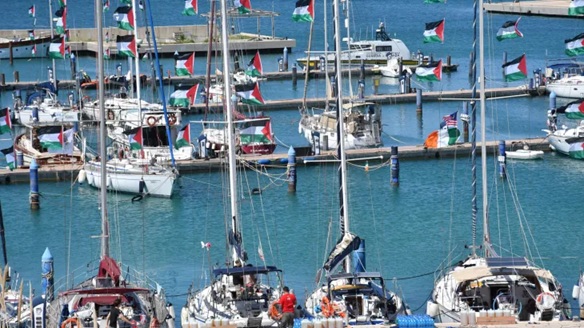
الأردن يدين في بيان مشترك الاعتداء الإسرائيلي على أسطول الصمود
عيد العمل
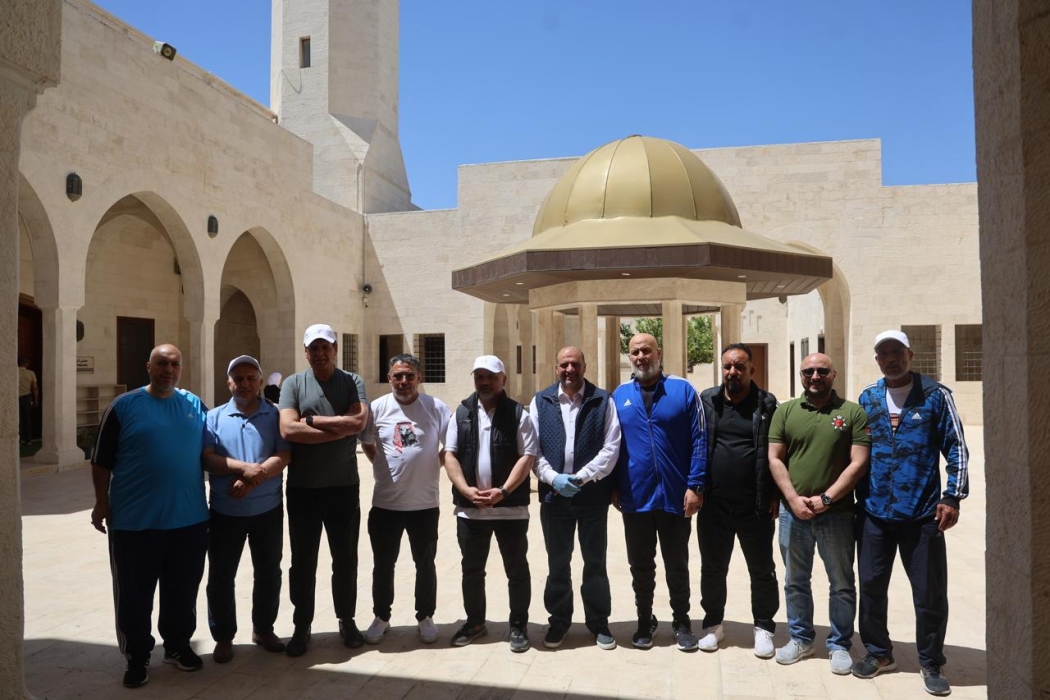
"السياحة والآثار" تنفذ حملات نظافة في منطقة الجدعة ومقام النبي شعيب بالبلقاء
السعودية: تأشيرات الزيارة بجميع أنواعها ومسمياتها لا تخول حاملها أداء فريضة الحج
العربية للطاقة المتجددة تعقد الاجتماع التحضيري للحوار العربي السادس للطاقة المتجددة.
السفير العضايلة يشيد بتجربة مستشفى سرطان الأطفال في القاهرة
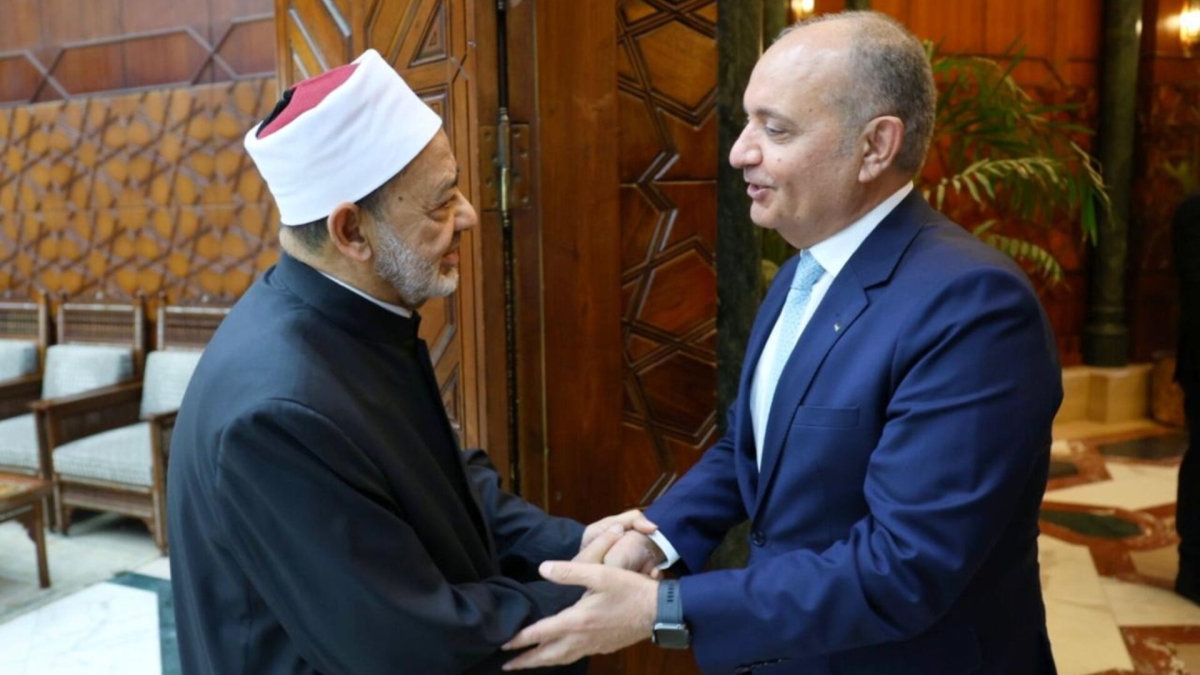
السفير العضايلة يلتقي شيخ الأزهر ويؤكد متانة العلاقات مع مؤسساته
اتحاد العمال يؤكد مواصلة الدفاع عن حقوق العمال وتعزيز بيئة العمل اللائق
الطاقة الدولية: حرب الشرق الأوسط أوقعت العالم في أزمة طاقة واقتصادية كبرى
الأوقاف: لا محاولات للحج بشكل غير قانوني حتى الآن
رئيس مجلس الشورى الإيراني: مضيق هرمز سيكون “خاليا من الوجود الأميركي”
غوتيريش يحذر من اضطرابات الملاحة في هُرمز يهدد الاقتصاد العالمي
مصادر للانباط: الشيباني إلى القاهرة الاسبوع المقبل تمهيدا لتقارب سياسي واقتصادي
مهلة ترامب لإيران تنتهي الجمعة .. ومحللون: الرئيس الأمريكي سيمددها أو يتجاهل الموضوع
المجالي: صوت الحق في وجه زوابع التشكيك.
صباحا أم بعد الطعام؟.. التوقيت المثالي لتناول الحمضيات
اكتشاف طريقة لإبطاء شيخوخة القلب
علماء: شوكولاتة الأمازون ربما تصبح الغذاء الخارق القادم
مقتل محامية شابة بوابل من الرصاص يثير الغضب في تركيا
السجن 14 عاما لشاب قتل زوجته بـ"صفعة" بسبب تأخر الطعام
الأردن يدين في بيان مشترك الاعتداء الإسرائيلي على أسطول الصمود
عيد العمل
"السياحة والآثار" تنفذ حملات نظافة في منطقة الجدعة ومقام النبي شعيب بالبلقاء
السعودية: تأشيرات الزيارة بجميع أنواعها ومسمياتها لا تخول حاملها أداء فريضة الحج
العربية للطاقة المتجددة تعقد الاجتماع التحضيري للحوار العربي السادس للطاقة المتجددة.
السفير العضايلة يشيد بتجربة مستشفى سرطان الأطفال في القاهرة
السفير العضايلة يلتقي شيخ الأزهر ويؤكد متانة العلاقات مع مؤسساته
اتحاد العمال يؤكد مواصلة الدفاع عن حقوق العمال وتعزيز بيئة العمل اللائق
الطاقة الدولية: حرب الشرق الأوسط أوقعت العالم في أزمة طاقة واقتصادية كبرى
الأوقاف: لا محاولات للحج بشكل غير قانوني حتى الآن
رئيس مجلس الشورى الإيراني: مضيق هرمز سيكون “خاليا من الوجود الأميركي”
غوتيريش يحذر من اضطرابات الملاحة في هُرمز يهدد الاقتصاد العالمي
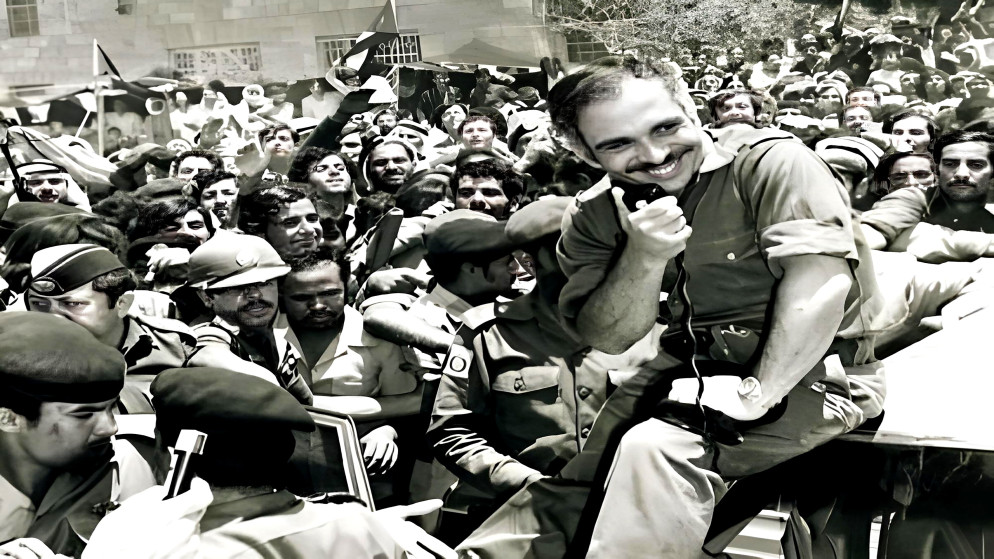
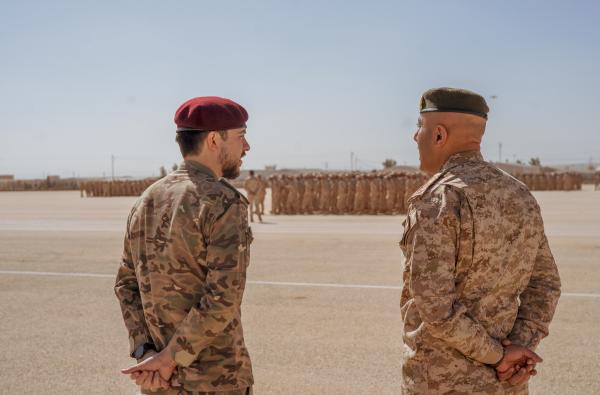
Jordan is commemorating the anniversary of the Arabization of the army command, a pivotal moment that asserted the nation's sovereignty and reshaped its military identity.
The decision, made by the late King Hussein bin Talal, signified Jordan's complete independence and its determination to control its own destiny. It marked a shift from reliance on foreign leadership to entrusting the nation's defense to its own people.
The Arabization decision involved terminating the service of General John Bagot Glubb (known as Glubb Pasha) and other foreign leaders within the Arab Army. This move paved the way for Jordanian officers to assume command positions, symbolizing a new era of national pride and self-determination.
King Hussein, recognizing the importance of a nationally led army, understood that the military's leadership should reflect the values, aspirations, and commitment of the Jordanian people. He believed that a foreign-led army could not fully realize its potential in safeguarding the nation's interests.
Following the royal decree, Brigadier General Radi Hassan Annab was promoted to Major General and appointed as Chief of Staff of the Arab Army, becoming the first Jordanian to hold this esteemed position.
The decision was met with widespread jubilation and pride among Jordanians, both within the military and the general public. It reinforced their confidence in the nation's ability to chart its own course and defend its sovereignty.
The Arabization of the army command also triggered a transformative shift in the structure and capabilities of the armed forces. It created opportunities for Jordanian officers to rise through the ranks and demonstrate their leadership skills, contributing to the defense of the nation.
Under the leadership of King Abdullah II, the armed forces have continued to modernize and enhance their capabilities, ensuring they remain a formidable force for stability and security in the region. King Abdullah II has focused on equipping the army with advanced technologies and providing comprehensive training to its personnel, upholding the legacy of his father.
The Arabization is remembered as a catalyst for the Battle of Karameh and a demonstration of sovereignty, shaping the future of Jordan. The decision fostered a strong army and safeguarded a great nation.
The late King Hussein's vision continues to inspire, and Jordan remains strong under the leadership of King Abdullah II. The Arab Army remains a symbol of leadership, protecting the nation and its independence.