 إذهبوا إلى الحبشة فإن فيها منطقة حرة لا يظلم فيها أحد!!
مهرجان جرش السينمائي الدولي.. أفكار خارج الصندوق
بعزمٍ وطني.. الجنوب يحجز قطرات الغيث لسنين القحط
الجغبير: المعاملة بالمثل مع سوريا يقوم على الأرقام الكاملة لا الاجتزاء والمعاملة بالمثل أولوية
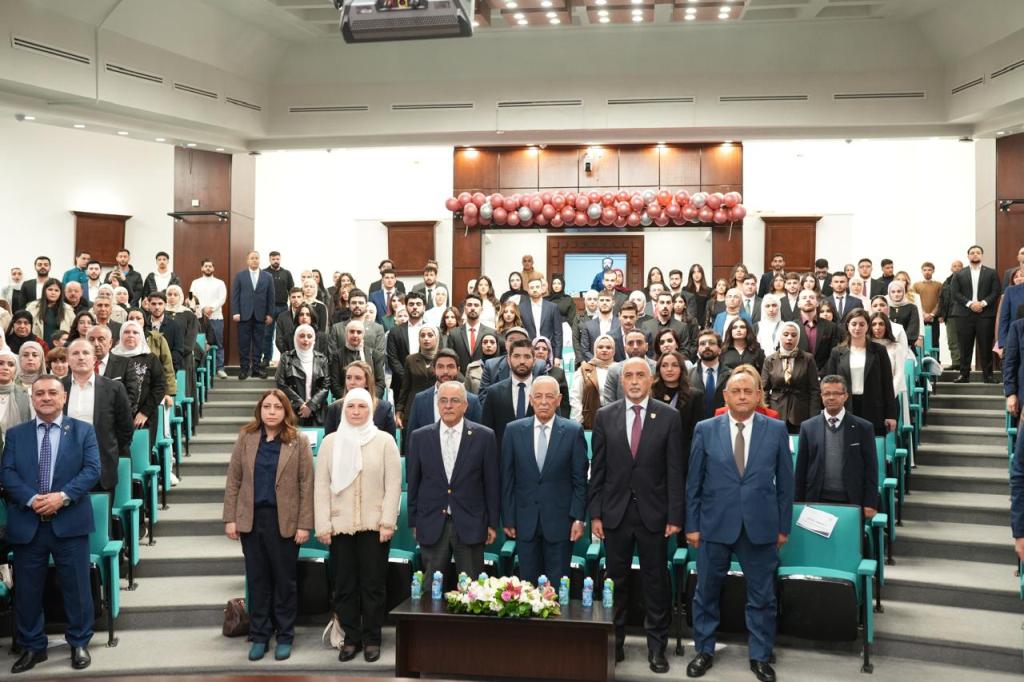
بحضور رئيس الديوان الملكي وبرعاية رئيس الجامعة: طلبة طب الأسنان في عمّان الأهلية يؤدّون قسم المهنة لبدء التدريب السريري
ارتفاع إجمالي أرباح الشَّركات المُدرجة في البورصة قبل الضَّريبة بنسبة 9.6% خلال عام 2025
ارتفاع عدد الشَّركات المسجَّلة في المملكة منذ بداية العام بنسبة 32%
التمور الأردنية تتوسع عالميا وتصل إلى 55 سوقا دوليا
المومني: الملك يقوم بعمل دبلوماسي مكثف تمثل بأكثر من 55 اتصالا هاتفيا مع زعماء العالم
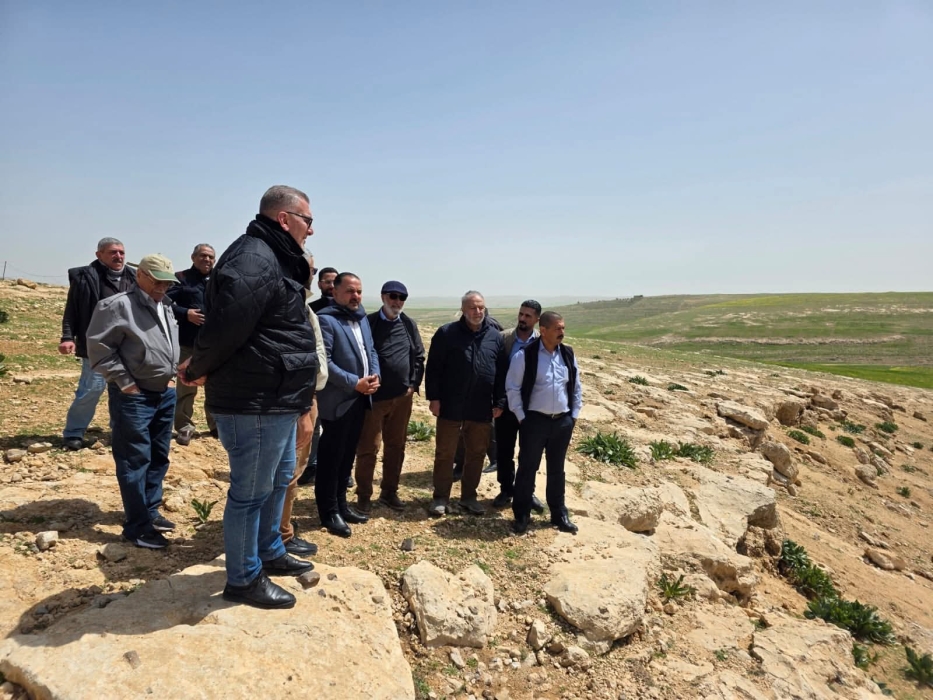
أمين عام سلطة وادي الأردن يتفقد مواقع مقترحة لإنشاء سدود في الجنوب
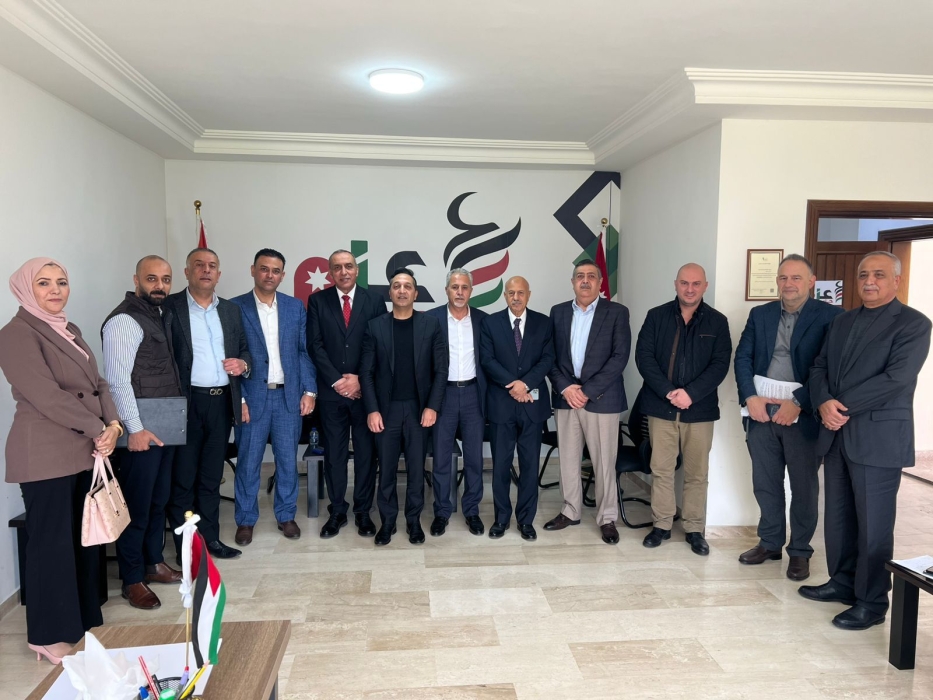
حزب عزم يبدأ مناقشة مشروع قانون الملكية العقارية .
الأمن العام: تعاملنا مع 585 بلاغا لحوادث سقوط بقايا صواريخ وشظايا شملت محافظات المملكة كافة
المومني: ندير الأزمة بكل كفاءة واقتدار وهدفنا حماية الأردن وتقليل التداعيات
الجيش: إيران استهدفت الأردن منذ بدء الحرب بـ 281 صاروخا ومسيرة اعترضنا 261 منها
المياه : ضبط اعتداءات في الطنيب واللبن والمفرق واربد تسحب كميات كبيرة
أورنج تدعم أسبوع الريادة العالمي 2026 كالراعي الحصري لتعزيز الاستدامة والمرونة الاقتصادية
تأهل تاريخي للمونديال لـ"النشامى" يعزز حضور الأردن في السياحة العالمية
"الجمارك" تضبط 3 قضايا تهريب نوعية خلال 48 ساعة
«أهان النساء» لسان نيمار يهدده بالغياب عن كأس العالم 2026
تعليق الحركة في منفذ "الشلامجة" بين العراق وإيران بعد استهدافه
إذهبوا إلى الحبشة فإن فيها منطقة حرة لا يظلم فيها أحد!!
مهرجان جرش السينمائي الدولي.. أفكار خارج الصندوق
بعزمٍ وطني.. الجنوب يحجز قطرات الغيث لسنين القحط
الجغبير: المعاملة بالمثل مع سوريا يقوم على الأرقام الكاملة لا الاجتزاء والمعاملة بالمثل أولوية
بحضور رئيس الديوان الملكي وبرعاية رئيس الجامعة: طلبة طب الأسنان في عمّان الأهلية يؤدّون قسم المهنة لبدء التدريب السريري
ارتفاع إجمالي أرباح الشَّركات المُدرجة في البورصة قبل الضَّريبة بنسبة 9.6% خلال عام 2025
ارتفاع عدد الشَّركات المسجَّلة في المملكة منذ بداية العام بنسبة 32%
التمور الأردنية تتوسع عالميا وتصل إلى 55 سوقا دوليا
المومني: الملك يقوم بعمل دبلوماسي مكثف تمثل بأكثر من 55 اتصالا هاتفيا مع زعماء العالم
أمين عام سلطة وادي الأردن يتفقد مواقع مقترحة لإنشاء سدود في الجنوب
حزب عزم يبدأ مناقشة مشروع قانون الملكية العقارية .
الأمن العام: تعاملنا مع 585 بلاغا لحوادث سقوط بقايا صواريخ وشظايا شملت محافظات المملكة كافة
المومني: ندير الأزمة بكل كفاءة واقتدار وهدفنا حماية الأردن وتقليل التداعيات
الجيش: إيران استهدفت الأردن منذ بدء الحرب بـ 281 صاروخا ومسيرة اعترضنا 261 منها
المياه : ضبط اعتداءات في الطنيب واللبن والمفرق واربد تسحب كميات كبيرة
أورنج تدعم أسبوع الريادة العالمي 2026 كالراعي الحصري لتعزيز الاستدامة والمرونة الاقتصادية
تأهل تاريخي للمونديال لـ"النشامى" يعزز حضور الأردن في السياحة العالمية
"الجمارك" تضبط 3 قضايا تهريب نوعية خلال 48 ساعة
«أهان النساء» لسان نيمار يهدده بالغياب عن كأس العالم 2026
تعليق الحركة في منفذ "الشلامجة" بين العراق وإيران بعد استهدافه

As the aroma of freshly made Qatayef fills the markets of Amman, it signals the arrival of Ramadan, with this traditional dessert deeply rooted in Jordanian culinary customs.
Qatayef, a pancake-like pastry filled with sweet cheese or nuts, is considered a staple during the holy month. Its production is largely exclusive to Ramadan, becoming a daily ritual anticipated by those fasting, not only in Jordan but also across the Levant, Egypt, and other Arab countries.
A local shop owner, preparing the batter on a hot griddle, explains that while he makes other traditional sweets, Ramadan is the prime season for Qatayef. He starts his work from noon until just before sunset, relying on it as a primary source of income for his family during this blessed month.
The Qatayef batter, consisting of flour, milk, and yeast, cooks quickly. Its simple preparation and low cost contribute to its popularity. Jordanian families often prefer to buy Qatayef from local shops, supporting small businesses during Ramadan.
A man in his thirties, waiting in line, says he buys Qatayef daily for his family, considering it the true taste of Ramadan. Another man, holding several bags, shares that while one is for his family, the others are for less fortunate families, emphasizing Ramadan as a month of solidarity rather than extravagance.
An older man, holding two bags of Qatayef, one for his family and another for his neighbors, emphasizes that Ramadan is measured not by the abundance on the table, but by the compassion in people's hearts. He stresses that social solidarity during this holy month is not a luxury but a genuine act of worship, reflecting the teachings of Islam.
He adds that Ramadan is a month of devotion and worship before being a month of food, urging people to reject extravagance and return to the essence of the month, which is based on patience, self-discipline, and kindness to others. He points out that simplicity in life and sharing goodness restores tranquility to homes and cohesion to society, making Ramadan an ethical school that is renewed every year.
Despite modern production methods, the traditional method of pouring batter from a metal pitcher onto a hot surface remains prevalent, especially in rural areas. While larger bakeries use modern machines to produce larger quantities, Jordanians still prefer Qatayef made the traditional way.
Qatayef are made in various sizes. Historically, they have been named after birds, with the small ones called "Asafiri (bird-like)", the medium ones "Hamam (pigeon)", and the large ones resembling bread loaves. They are often stuffed and covered with another layer for baking.
Historical sources suggest that the spread of Qatayef dates back to the early Abbasid era, during the third and fourth centuries AH. It was mentioned in cookbooks of that time, including "Kitab al-Tabikh" by Ibn Sayyar al-Warraq, reinforcing the theory that it originated in the Levant before spreading to other Arab regions.
In Jordan, Qatayef has maintained its traditional character and diverse fillings of walnuts, cream, and cheese, remaining a part of the popular memory. It is served baked or fried with syrup, while some, especially children, prefer to eat it plain without additions.
Qatayef remains a symbol of shared cultural heritage within Arab cuisine, a dessert that is never absent from Ramadan tables, reminding people of the spirit of the month based on simplicity, solidarity, and moderation.