 حزب عزم يبدأ مناقشة مشروع قانون الملكية العقارية .
الأمن العام: تعاملنا مع 585 بلاغا لحوادث سقوط بقايا صواريخ وشظايا شملت محافظات المملكة كافة
المومني: ندير الأزمة بكل كفاءة واقتدار وهدفنا حماية الأردن وتقليل التداعيات
الجيش: إيران استهدفت الأردن منذ بدء الحرب بـ 281 صاروخا ومسيرة اعترضنا 261 منها
المياه : ضبط اعتداءات في الطنيب واللبن والمفرق واربد تسحب كميات كبيرة
أورنج تدعم أسبوع الريادة العالمي 2026 كالراعي الحصري لتعزيز الاستدامة والمرونة الاقتصادية
تأهل تاريخي للمونديال لـ"النشامى" يعزز حضور الأردن في السياحة العالمية
"الجمارك" تضبط 3 قضايا تهريب نوعية خلال 48 ساعة
«أهان النساء» لسان نيمار يهدده بالغياب عن كأس العالم 2026
تعليق الحركة في منفذ "الشلامجة" بين العراق وإيران بعد استهدافه
منتخب الشابات يلتقي نظيره الكوري الجنوبي ببطولة كأس آسيا غدا
سقوط القناع… طهران تقصف طريق الحياة إلى فلسطين وتكشف زيف “طريق القدس”
قانون الإدارة المحلية: الاختبار الحقيقي لمسار التحديث السياسي في الأردن
52 مليون دينار أرباح "البنك العربي الإسلامي الدولي" لعام 2025
الموسم المطري ينعش قطاعي الزراعة والمياه في البادية الشمالية الغربية
"الطاقة الذرية": سقوط مقذوف قرب محطة بوشهر الإيرانية ومقتل شخص
لاعب منتخب الملاكمة حذيفة عشيش يضمن ميدالية في بطولة آسيا
الطراونة يشارك في المؤتمر الهندسي الدولي للتعليم بالذكاء الاصطناعي
95.8 دينار سعر الذهب عيار 21 بالسوق المحلية
أخوارشيدة يكتب: سقوط الأقنعة.. هكذا صمدت الحقيقة الأردنية أمام وباء الشائعات وأبواق مأجورة
حزب عزم يبدأ مناقشة مشروع قانون الملكية العقارية .
الأمن العام: تعاملنا مع 585 بلاغا لحوادث سقوط بقايا صواريخ وشظايا شملت محافظات المملكة كافة
المومني: ندير الأزمة بكل كفاءة واقتدار وهدفنا حماية الأردن وتقليل التداعيات
الجيش: إيران استهدفت الأردن منذ بدء الحرب بـ 281 صاروخا ومسيرة اعترضنا 261 منها
المياه : ضبط اعتداءات في الطنيب واللبن والمفرق واربد تسحب كميات كبيرة
أورنج تدعم أسبوع الريادة العالمي 2026 كالراعي الحصري لتعزيز الاستدامة والمرونة الاقتصادية
تأهل تاريخي للمونديال لـ"النشامى" يعزز حضور الأردن في السياحة العالمية
"الجمارك" تضبط 3 قضايا تهريب نوعية خلال 48 ساعة
«أهان النساء» لسان نيمار يهدده بالغياب عن كأس العالم 2026
تعليق الحركة في منفذ "الشلامجة" بين العراق وإيران بعد استهدافه
منتخب الشابات يلتقي نظيره الكوري الجنوبي ببطولة كأس آسيا غدا
سقوط القناع… طهران تقصف طريق الحياة إلى فلسطين وتكشف زيف “طريق القدس”
قانون الإدارة المحلية: الاختبار الحقيقي لمسار التحديث السياسي في الأردن
52 مليون دينار أرباح "البنك العربي الإسلامي الدولي" لعام 2025
الموسم المطري ينعش قطاعي الزراعة والمياه في البادية الشمالية الغربية
"الطاقة الذرية": سقوط مقذوف قرب محطة بوشهر الإيرانية ومقتل شخص
لاعب منتخب الملاكمة حذيفة عشيش يضمن ميدالية في بطولة آسيا
الطراونة يشارك في المؤتمر الهندسي الدولي للتعليم بالذكاء الاصطناعي
95.8 دينار سعر الذهب عيار 21 بالسوق المحلية
أخوارشيدة يكتب: سقوط الأقنعة.. هكذا صمدت الحقيقة الأردنية أمام وباء الشائعات وأبواق مأجورة

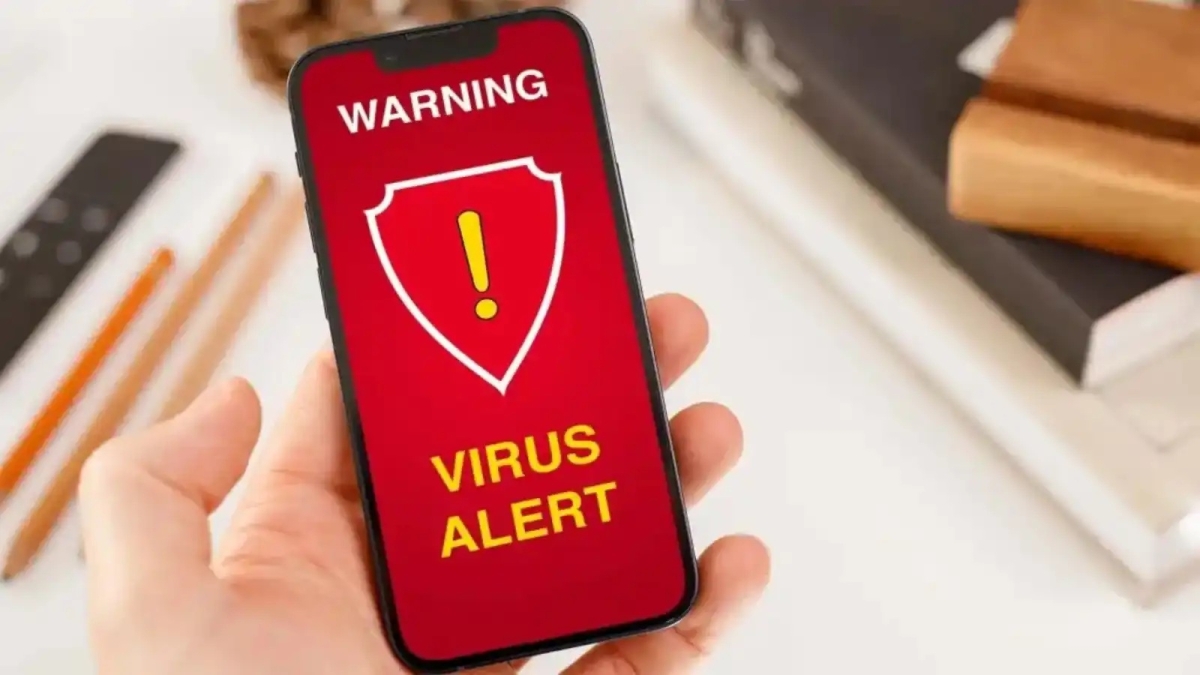
Cybercriminals are increasingly exploiting religious sentiments during Ramadan with sophisticated social engineering attacks, prompting cybersecurity experts to urge vigilance and caution when engaging with online links and donation requests.
These attacks, leveraging advanced artificial intelligence (AI) techniques, target the human element by manipulating emotions rather than directly breaching technical systems, cybersecurity specialists warn.
Phishing campaigns are becoming more sophisticated, employing AI to generate convincing content that mimics legitimate sources, making it difficult for individuals to distinguish between genuine and malicious links.
One common tactic involves domain spoofing, where attackers register domain names that closely resemble official websites, differing by only a single character, according to security reports from the SANS Institute. For example, "ehsan.sa" might become "ehssan.sa."
Attackers also use URL shortening services like bit.ly or cutt.ly to mask the final destination of a link, preventing messaging applications from immediately identifying suspicious websites.
Some malicious links not only request donations but also install cookies to hijack browser sessions and gain access to open banking accounts.
Microsoft's Digital Defense Report indicates that seasonal attacks can increase by up to 30% during major events, with Ramadan-themed attacks often involving visual identity theft, where attackers copy the CSS code and colors of legitimate platforms to create convincing replicas.
These fake websites are then linked to fraudulent payment gateways that record credit card numbers and CVV codes instead of processing actual payments.
The International Telecommunication Union (ITU) and national cybersecurity centers recommend adhering to strict verification protocols, including ensuring websites use HTTPS for data encryption.
Enabling two-factor authentication significantly reduces the risk of banking account breaches, even if a password is compromised through a fake link, according to the Open Web Application Security Project (OWASP).
Experts also advise using tools like VirusTotal to scan links before opening them, comparing them against global threat databases.
AI-powered Endpoint Detection and Response (EDR) systems can analyze link behavior, identifying suspicious activity such as unreasonable browser permission requests.
Digital awareness remains the first line of defense, with cybersecurity agencies recommending regular software updates, monitoring of bank accounts, and avoiding the disclosure of sensitive data through unofficial channels to ensure donations reach their intended recipients safely.