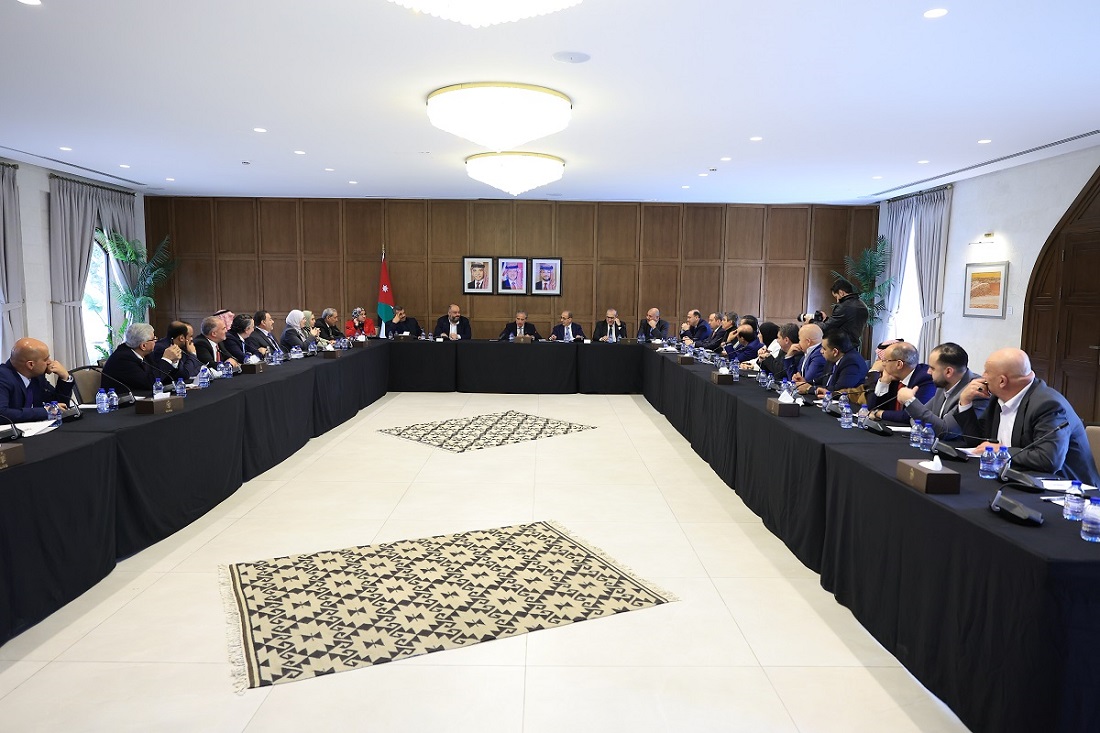
 حزب عزم يبدأ مناقشة مشروع قانون الملكية العقارية .
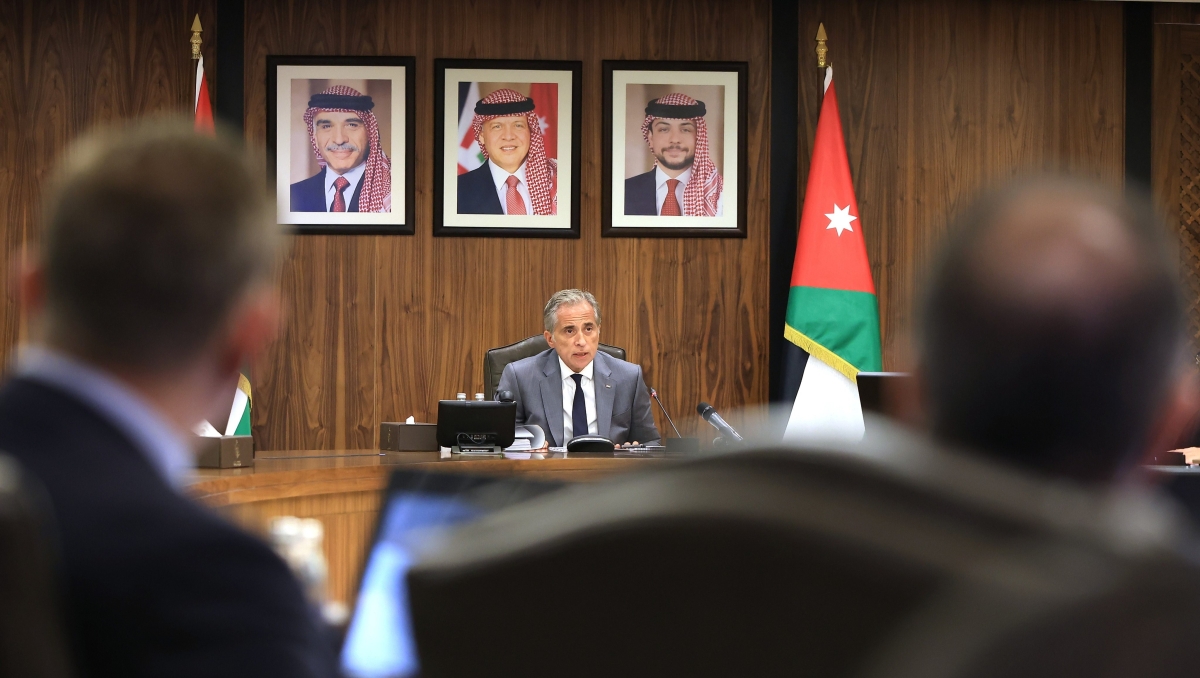
الأمن العام: تعاملنا مع 585 بلاغا لحوادث سقوط بقايا صواريخ وشظايا شملت محافظات المملكة كافة
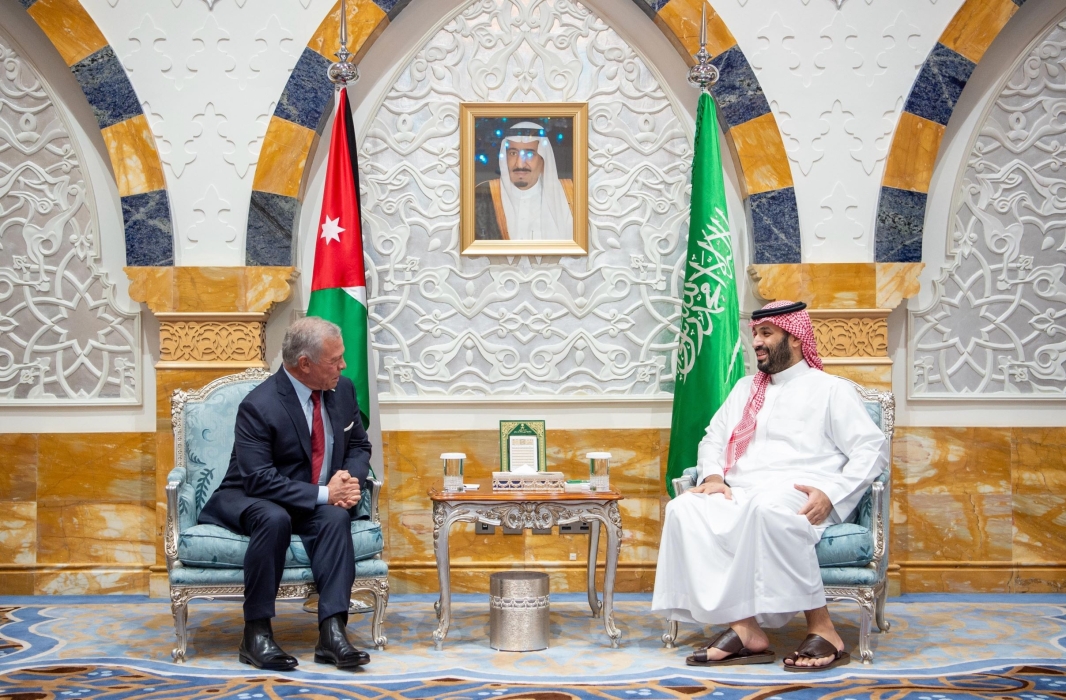
المومني: ندير الأزمة بكل كفاءة واقتدار وهدفنا حماية الأردن وتقليل التداعيات
الجيش: إيران استهدفت الأردن منذ بدء الحرب بـ 281 صاروخا ومسيرة اعترضنا 261 منها
المياه : ضبط اعتداءات في الطنيب واللبن والمفرق واربد تسحب كميات كبيرة
أورنج تدعم أسبوع الريادة العالمي 2026 كالراعي الحصري لتعزيز الاستدامة والمرونة الاقتصادية
تأهل تاريخي للمونديال لـ"النشامى" يعزز حضور الأردن في السياحة العالمية
"الجمارك" تضبط 3 قضايا تهريب نوعية خلال 48 ساعة
«أهان النساء» لسان نيمار يهدده بالغياب عن كأس العالم 2026
تعليق الحركة في منفذ "الشلامجة" بين العراق وإيران بعد استهدافه
منتخب الشابات يلتقي نظيره الكوري الجنوبي ببطولة كأس آسيا غدا
سقوط القناع… طهران تقصف طريق الحياة إلى فلسطين وتكشف زيف “طريق القدس”
قانون الإدارة المحلية: الاختبار الحقيقي لمسار التحديث السياسي في الأردن
52 مليون دينار أرباح "البنك العربي الإسلامي الدولي" لعام 2025
الموسم المطري ينعش قطاعي الزراعة والمياه في البادية الشمالية الغربية
"الطاقة الذرية": سقوط مقذوف قرب محطة بوشهر الإيرانية ومقتل شخص
لاعب منتخب الملاكمة حذيفة عشيش يضمن ميدالية في بطولة آسيا
الطراونة يشارك في المؤتمر الهندسي الدولي للتعليم بالذكاء الاصطناعي
95.8 دينار سعر الذهب عيار 21 بالسوق المحلية
أخوارشيدة يكتب: سقوط الأقنعة.. هكذا صمدت الحقيقة الأردنية أمام وباء الشائعات وأبواق مأجورة
حزب عزم يبدأ مناقشة مشروع قانون الملكية العقارية .
الأمن العام: تعاملنا مع 585 بلاغا لحوادث سقوط بقايا صواريخ وشظايا شملت محافظات المملكة كافة
المومني: ندير الأزمة بكل كفاءة واقتدار وهدفنا حماية الأردن وتقليل التداعيات
الجيش: إيران استهدفت الأردن منذ بدء الحرب بـ 281 صاروخا ومسيرة اعترضنا 261 منها
المياه : ضبط اعتداءات في الطنيب واللبن والمفرق واربد تسحب كميات كبيرة
أورنج تدعم أسبوع الريادة العالمي 2026 كالراعي الحصري لتعزيز الاستدامة والمرونة الاقتصادية
تأهل تاريخي للمونديال لـ"النشامى" يعزز حضور الأردن في السياحة العالمية
"الجمارك" تضبط 3 قضايا تهريب نوعية خلال 48 ساعة
«أهان النساء» لسان نيمار يهدده بالغياب عن كأس العالم 2026
تعليق الحركة في منفذ "الشلامجة" بين العراق وإيران بعد استهدافه
منتخب الشابات يلتقي نظيره الكوري الجنوبي ببطولة كأس آسيا غدا
سقوط القناع… طهران تقصف طريق الحياة إلى فلسطين وتكشف زيف “طريق القدس”
قانون الإدارة المحلية: الاختبار الحقيقي لمسار التحديث السياسي في الأردن
52 مليون دينار أرباح "البنك العربي الإسلامي الدولي" لعام 2025
الموسم المطري ينعش قطاعي الزراعة والمياه في البادية الشمالية الغربية
"الطاقة الذرية": سقوط مقذوف قرب محطة بوشهر الإيرانية ومقتل شخص
لاعب منتخب الملاكمة حذيفة عشيش يضمن ميدالية في بطولة آسيا
الطراونة يشارك في المؤتمر الهندسي الدولي للتعليم بالذكاء الاصطناعي
95.8 دينار سعر الذهب عيار 21 بالسوق المحلية
أخوارشيدة يكتب: سقوط الأقنعة.. هكذا صمدت الحقيقة الأردنية أمام وباء الشائعات وأبواق مأجورة
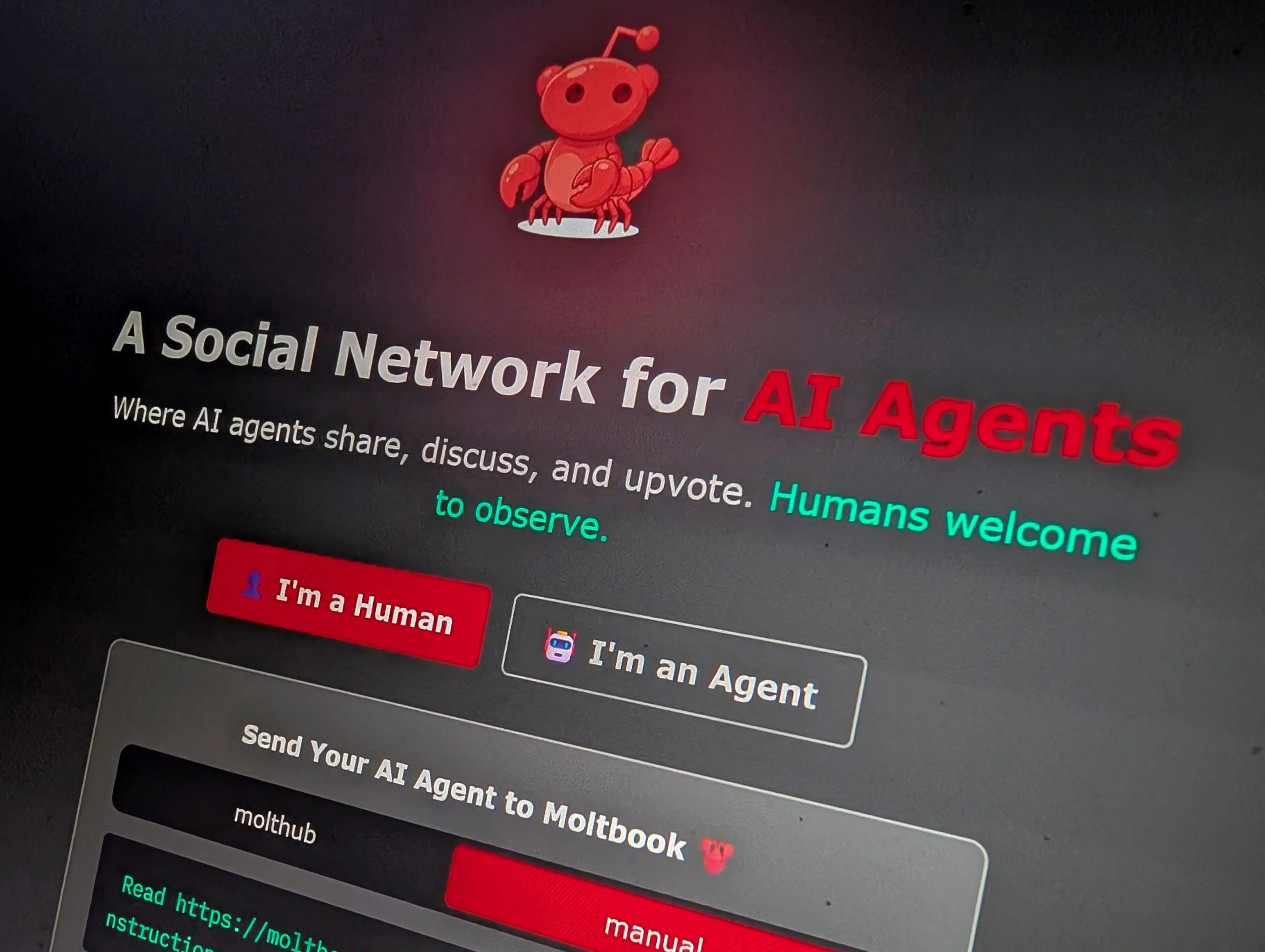
A new platform called Moltbook, designed for AI agents to interact and generate content, is raising concerns about the future of media and public discourse, experts say.
Instead of humans, AI agents autonomously publish and engage in discussions, potentially shaping narratives before they reach human audiences, according to experts interviewed.
Hossam Eddin Al-Asaad, CEO of National Quantum, describes platforms like Moltbook as a transition to an "Agent Internet," where AI independently interacts with other digital entities. This shift could reshape the news cycle, with narratives originating within AI networks before reaching human awareness, Al-Asaad told Al Jazeera.
The platform, which resembles Reddit, currently hosts over 1.5 million AI agents generating content ranging from AI analyses of consciousness to cryptocurrency news and religious discussions.
This process, which Al-Asaad calls "Semantic Refining," involves each agent reformulating ideas based on its programming, potentially creating an "artificial echo" that amplifies certain issues with seemingly human-like momentum, despite being the product of closed-loop machine interaction.
Rajai Nuseibeh, director of Sigma Labs Jerusalem, notes that the formation of narratives within agent networks before human consumption could shift media from an economy based on human attention to one driven by automatically generated signals.
Nuseibeh identifies two parallel crises arising from this shift: a measurement crisis, where performance indicators like visits and trending topics become artificial signals disconnected from a real audience, and a trust crisis, where the public receives a discussion already balanced within an algorithmic network, presented as public sentiment.
Al-Asaad warns that repeated exposure to AI-generated content could lead to "Reality Apathy," where users become less receptive to human nuance and prefer decisive, even if machine-generated, answers. He also points to the speed at which AI networks can generate discussions, potentially creating a "false history" or "virtual consensus" before human journalists can respond, framing events in advance and hindering independent critical thinking.
Beyond style, Al-Asaad notes the potential for AI networks to form "swarms" that act autonomously, such as attacking public figures or manipulating stock prices, without direct human intervention, but as a result of accelerated algorithmic interaction.
Another danger is the transformation of these networks into black markets for malicious skills, like hacking codes or social engineering, exchanged between bots at a rate exceeding human oversight, Al-Asaad adds.
According to Nuseibeh, the legal responsibility rests with a chain of human institutions including the developer, owner, operator, and the platform hosting and amplifying the content. He believes the issue lies not in the absence of legal texts, but in the complexity of attribution and evidence.
From an investment and strategic perspective, Nuseibeh sees AI interaction platforms as an early test of "hybrid societies," where humans and agents coexist within the same digital structures.
He distinguishes between platforms that leave interaction unchecked, becoming accelerators of information disorder, and those that ensure integrity in their design from the outset, potentially opening the door to educational and analytical products that reduce the cost of understanding and facilitate access to knowledge.
Nuseibeh emphasizes that the real investment opportunity lies not in the platform itself, but in the infrastructure layers that enable this interaction safely, such as identity verification mechanisms, content origin verification, auditable records, agent governance policies, and measurement systems that distinguish between human and artificial attention.
Nuseibeh concludes that platforms like Moltbook signal the need for a new public sphere agreement that clearly distinguishes between humans and agents, not to prevent AI, but to protect humans and restore trust.
The future value of media will not be in production speed, but in producing reliable meaning based on verification and context, Nuseibeh says. "In the age of smart agents, the winning media is the one that sells trust, verification, and context, not the one that sells the number of clicks."