 حزب عزم يبدأ مناقشة مشروع قانون الملكية العقارية .
الأمن العام: تعاملنا مع 585 بلاغا لحوادث سقوط بقايا صواريخ وشظايا شملت محافظات المملكة كافة
المومني: ندير الأزمة بكل كفاءة واقتدار وهدفنا حماية الأردن وتقليل التداعيات
الجيش: إيران استهدفت الأردن منذ بدء الحرب بـ 281 صاروخا ومسيرة اعترضنا 261 منها
المياه : ضبط اعتداءات في الطنيب واللبن والمفرق واربد تسحب كميات كبيرة
أورنج تدعم أسبوع الريادة العالمي 2026 كالراعي الحصري لتعزيز الاستدامة والمرونة الاقتصادية
تأهل تاريخي للمونديال لـ"النشامى" يعزز حضور الأردن في السياحة العالمية
"الجمارك" تضبط 3 قضايا تهريب نوعية خلال 48 ساعة
«أهان النساء» لسان نيمار يهدده بالغياب عن كأس العالم 2026
تعليق الحركة في منفذ "الشلامجة" بين العراق وإيران بعد استهدافه
منتخب الشابات يلتقي نظيره الكوري الجنوبي ببطولة كأس آسيا غدا
سقوط القناع… طهران تقصف طريق الحياة إلى فلسطين وتكشف زيف “طريق القدس”
قانون الإدارة المحلية: الاختبار الحقيقي لمسار التحديث السياسي في الأردن
52 مليون دينار أرباح "البنك العربي الإسلامي الدولي" لعام 2025
الموسم المطري ينعش قطاعي الزراعة والمياه في البادية الشمالية الغربية
"الطاقة الذرية": سقوط مقذوف قرب محطة بوشهر الإيرانية ومقتل شخص
لاعب منتخب الملاكمة حذيفة عشيش يضمن ميدالية في بطولة آسيا
الطراونة يشارك في المؤتمر الهندسي الدولي للتعليم بالذكاء الاصطناعي
95.8 دينار سعر الذهب عيار 21 بالسوق المحلية
أخوارشيدة يكتب: سقوط الأقنعة.. هكذا صمدت الحقيقة الأردنية أمام وباء الشائعات وأبواق مأجورة
حزب عزم يبدأ مناقشة مشروع قانون الملكية العقارية .
الأمن العام: تعاملنا مع 585 بلاغا لحوادث سقوط بقايا صواريخ وشظايا شملت محافظات المملكة كافة
المومني: ندير الأزمة بكل كفاءة واقتدار وهدفنا حماية الأردن وتقليل التداعيات
الجيش: إيران استهدفت الأردن منذ بدء الحرب بـ 281 صاروخا ومسيرة اعترضنا 261 منها
المياه : ضبط اعتداءات في الطنيب واللبن والمفرق واربد تسحب كميات كبيرة
أورنج تدعم أسبوع الريادة العالمي 2026 كالراعي الحصري لتعزيز الاستدامة والمرونة الاقتصادية
تأهل تاريخي للمونديال لـ"النشامى" يعزز حضور الأردن في السياحة العالمية
"الجمارك" تضبط 3 قضايا تهريب نوعية خلال 48 ساعة
«أهان النساء» لسان نيمار يهدده بالغياب عن كأس العالم 2026
تعليق الحركة في منفذ "الشلامجة" بين العراق وإيران بعد استهدافه
منتخب الشابات يلتقي نظيره الكوري الجنوبي ببطولة كأس آسيا غدا
سقوط القناع… طهران تقصف طريق الحياة إلى فلسطين وتكشف زيف “طريق القدس”
قانون الإدارة المحلية: الاختبار الحقيقي لمسار التحديث السياسي في الأردن
52 مليون دينار أرباح "البنك العربي الإسلامي الدولي" لعام 2025
الموسم المطري ينعش قطاعي الزراعة والمياه في البادية الشمالية الغربية
"الطاقة الذرية": سقوط مقذوف قرب محطة بوشهر الإيرانية ومقتل شخص
لاعب منتخب الملاكمة حذيفة عشيش يضمن ميدالية في بطولة آسيا
الطراونة يشارك في المؤتمر الهندسي الدولي للتعليم بالذكاء الاصطناعي
95.8 دينار سعر الذهب عيار 21 بالسوق المحلية
أخوارشيدة يكتب: سقوط الأقنعة.. هكذا صمدت الحقيقة الأردنية أمام وباء الشائعات وأبواق مأجورة
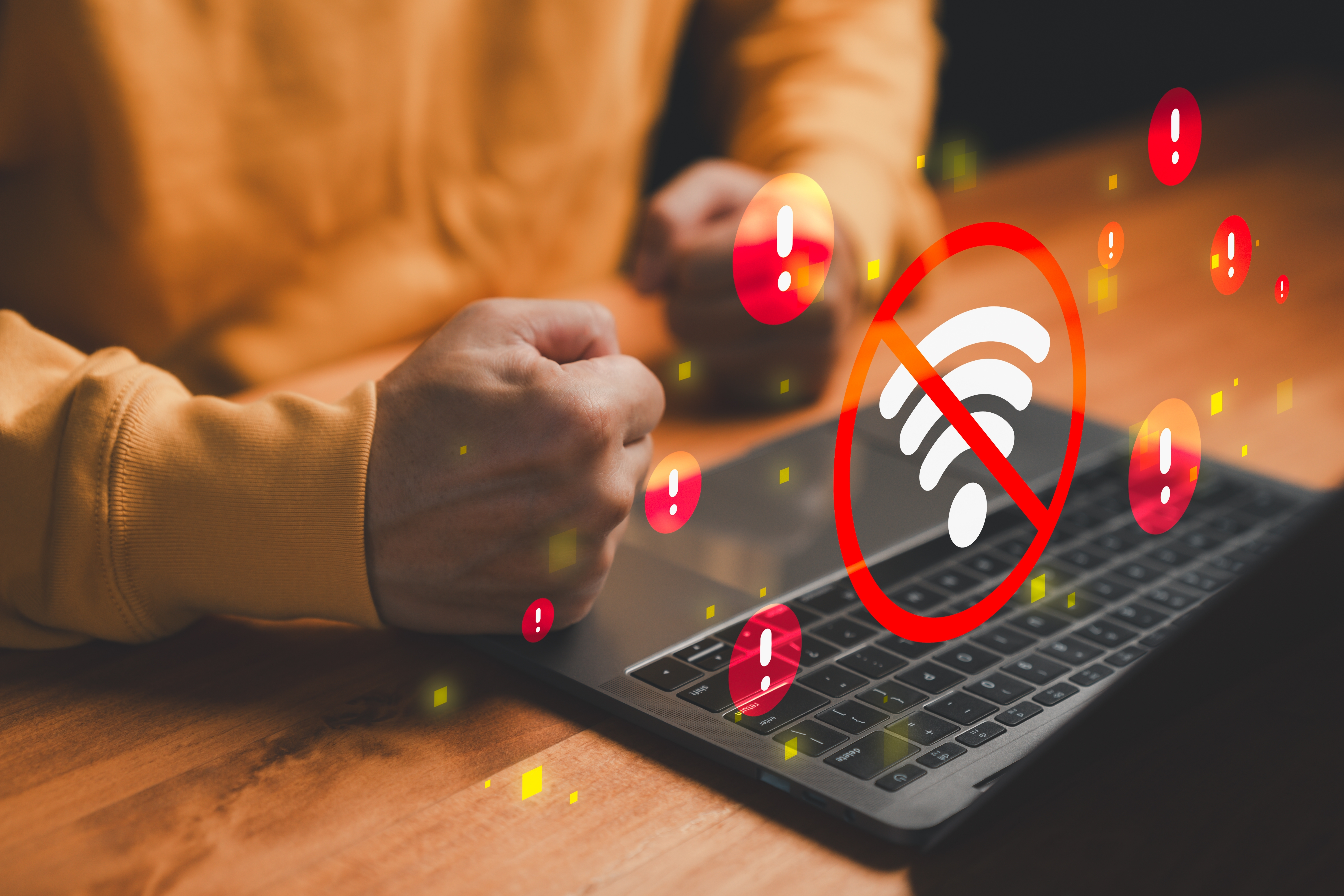
As conflicts increasingly extend into the digital realm, cutting off internet access has become a common tactic, but individuals can employ various methods to maintain connectivity and bypass censorship.
The weaponization of internet shutdowns, often referred to as "digital blackouts," aims to isolate civilians, suppress news of violations, and disrupt aid coordination. According to a 2025 report by Access Now, intentional internet shutdowns during armed conflicts have risen by 40% globally.
When authorities impose partial bans on communication platforms or throttle internet speeds, the battle shifts to a technological one between censorship systems and encryption tools. Reports from the Citizen Lab at the University of Toronto indicate that modern blocking systems use deep packet inspection (DPI) to identify and block VPN traffic. Protocols like V2Ray and Shadowsocks, or the "Stealth" feature in Proton VPN, can circumvent this by disguising encrypted data as regular web browsing or email traffic, making it difficult for blocking algorithms to detect.
The Tor browser, a secure haven for journalists and activists, introduced the Snowflake feature, enabling users in blocked countries to connect to the internet through volunteers worldwide who turn their browsers into temporary bridges. Data from the Tor project shows that this technology has helped millions of users bypass firewalls in conflict zones.
A basic blocking method involves falsifying DNS records, the internet's address book. Experts recommend manually changing device settings to use encrypted DNS providers like Cloudflare (1.1.1.1) or Google (8.8.8.8), preventing local service providers from intercepting website requests.
Mesh networking offers a revolutionary alternative to traditional routers and networks, eliminating the need for infrastructure. Applications like Bridgefy and Briar use Bluetooth and Wi-Fi Direct to transform smartphones into nodes. A message travels from one phone to another until it reaches its destination. BISI Research reports indicate that the network becomes stronger with more users in a geographical area, such as shelters or residential neighborhoods.
Briar stands out for its serverless design, syncing data directly between devices when they are in close proximity, making it resistant to government censorship. It proved effective in Sudan during the 2024 shutdowns.
Satellite internet systems, such as Starlink, offer sovereign connections independent of terrestrial cables. SpaceX's Starlink has revolutionized wartime communications. Despite needing special receivers, its ease of operation via batteries or solar power has made it a digital lifeline on front lines and in disaster areas.
In areas near borders, such as the Gaza Strip or border regions in Sudan, the Internet Society recommends using electronic SIM cards (eSIMs) that operate on neighboring countries' networks. These SIMs capture cross-border signals and provide direct internet access, bypassing local provider control.
Front Line Defenders emphasizes that digital survival depends on pre-crisis preparation. A digital emergency kit should include full offline copies of Wikipedia and Google Maps, saved first aid manuals and survival guides in PDF format, and a battery-powered radio to receive international broadcasts, which remain a resilient news source when networks collapse.
The battle for access to information in wartime is a contest of technological will, pitting advanced encryption protocols against decentralized mesh networking. While modern individuals possess unprecedented tools, awareness and prior training are crucial for avoiding isolation and ensuring the ability to communicate with the world.