 Milan-Cortina 2026 Olympic Winter Games: freestyle skiing women's freeski slopestyle qualification
Orange Jordan Sponsors Al Hussein Technical University’s "Leadathon"
The CEO of Orange Jordan Visits Yarmouk University President to Strengthen the Strategic Partnership
*Orange Jordan Showcases Fabrication Lab Innovations at the Makers’ Forum
3 Winners at Orange Summer Challenge 2024 Join the “Social Innovation” Journey Fostering "Tech4Impact”
Estarta Named Cisco Systems' Distinguished Supplier of the Year 2024
Milan-Cortina 2026 Olympic Winter Games: freestyle skiing women's freeski slopestyle qualification
Orange Jordan Sponsors Al Hussein Technical University’s "Leadathon"
The CEO of Orange Jordan Visits Yarmouk University President to Strengthen the Strategic Partnership
*Orange Jordan Showcases Fabrication Lab Innovations at the Makers’ Forum
3 Winners at Orange Summer Challenge 2024 Join the “Social Innovation” Journey Fostering "Tech4Impact”
Estarta Named Cisco Systems' Distinguished Supplier of the Year 2024
Tensions in the Middle East have reached a boiling point as Iran grapples with the aftermath of strikes that claimed the lives of Supreme Leader Ali Khamenei and several high-ranking military officials. The Islamic Revolutionary Guard Corps (IRGC) has pledged a forceful response, raising fears of a wider regional conflagration.
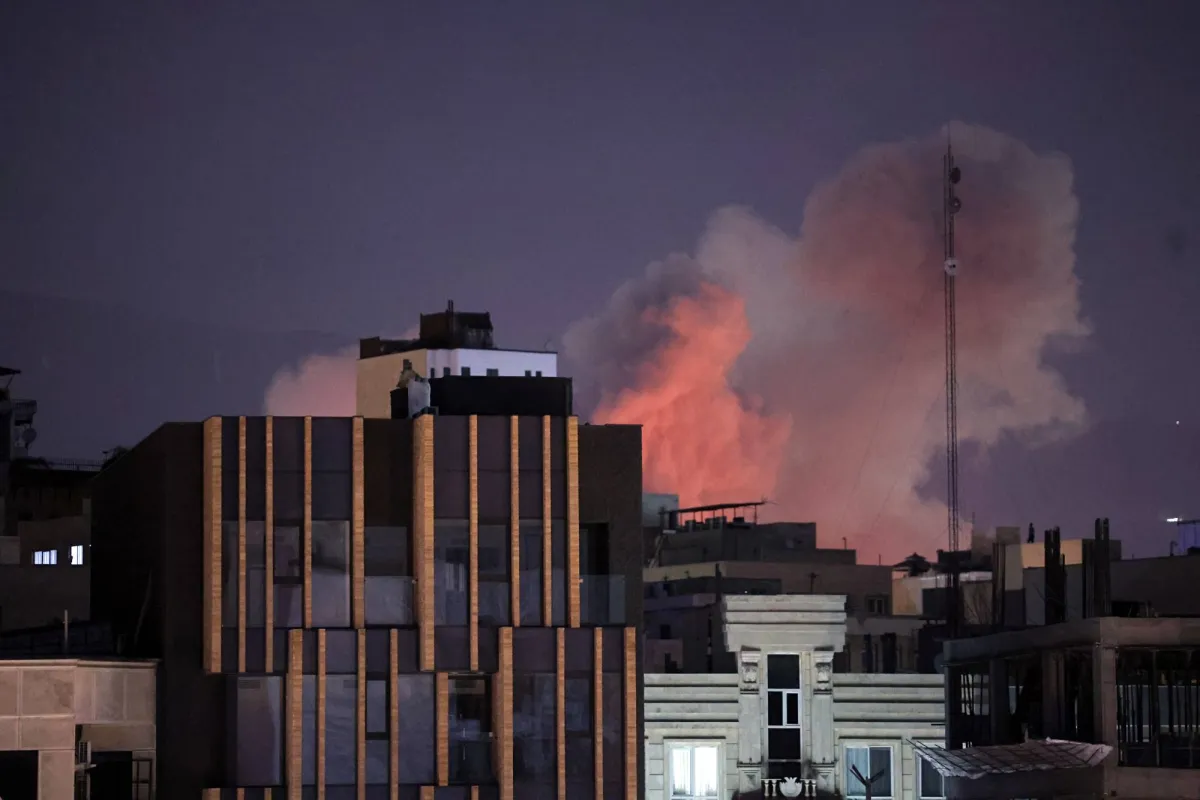
The pledge comes after a series of intense aerial bombardments that targeted key locations within Iran, including military and government facilities in Tehran. Explosions rocked the capital, with smoke billowing from the affected areas. Iranian state media reported that the state broadcasting headquarters sustained damage, leading to a disruption in programming.
The strikes, attributed to U.S. and Israeli forces, have hit multiple locations across the country. In addition to Tehran, cities like Karaj, Tabriz, Shiraz, and Ahvaz have experienced explosions and infrastructure damage. The Israeli military stated that its air force conducted strikes throughout the day to clear a path to Tehran, claiming to have neutralized a majority of Iran's air defense systems in the western and central regions.
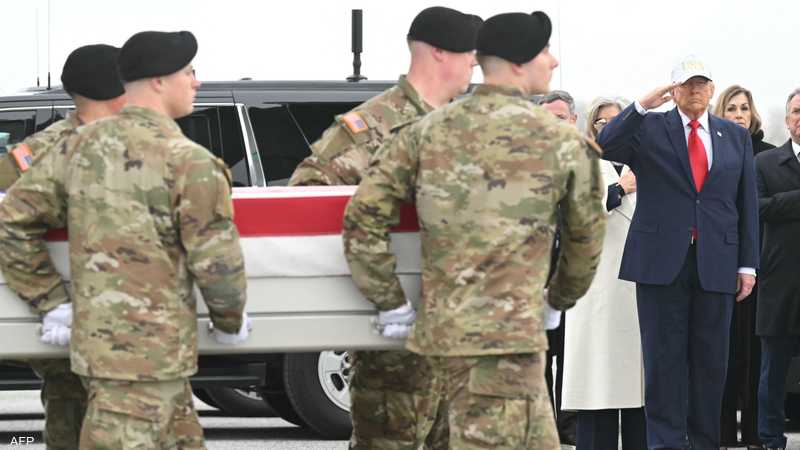
Adding to the turmoil, the U.S. military confirmed that three of its personnel were killed in action, marking the first acknowledged casualties in the escalating conflict. The U.S. also claimed to have sunk an Iranian naval vessel. Meanwhile, the IRGC asserted that it launched ballistic missiles at the aircraft carrier USS Abraham Lincoln, a claim refuted by the U.S. Central Command (CENTCOM), which stated that the missiles did not come close to hitting their target.
U.S. President Donald Trump stated that the United States had destroyed nine Iranian naval vessels and has warned of further action if provoked.
In Israel, explosions were heard in Tel Aviv, believed to be the result of incoming rockets or interceptions. Rescue services reported fatalities and injuries after a strike hit a synagogue in Beit Shemesh. The Israeli army claimed responsibility for targeting Khamenei in a precise operation, stating that he was at his central command headquarters in Tehran at the time of the attack.
Despite the ongoing strikes, an Israeli military spokesperson indicated that numerous targets remain, including military industrial production sites, suggesting that the military operations will continue. While ruling out ground operations, both Trump and Israeli Prime Minister Benjamin Netanyahu have urged Iranians to seize the opportunity to overthrow their leaders.
Netanyahu has vowed to intensify military attacks on Tehran, emphasizing that the Israeli army is striking with increasing force in the heart of the Iranian capital. He said that the attacks would escalate in the coming days, highlighting close cooperation with the United States in the joint operations.
Iranian media confirmed the death of the 86-year-old Supreme Leader Khamenei hours after the U.S. and Israel announced the airstrike. Reports indicate that Khamenei was working in his office when the attack occurred. Family members were also reportedly killed.
Amidst the chaos, Iranian President Masoud Pezeshkian announced that a leadership council has temporarily assumed the duties of the Supreme Leader. Foreign Minister Abbas Araghchi stated that a new leader would be selected within a day or two.
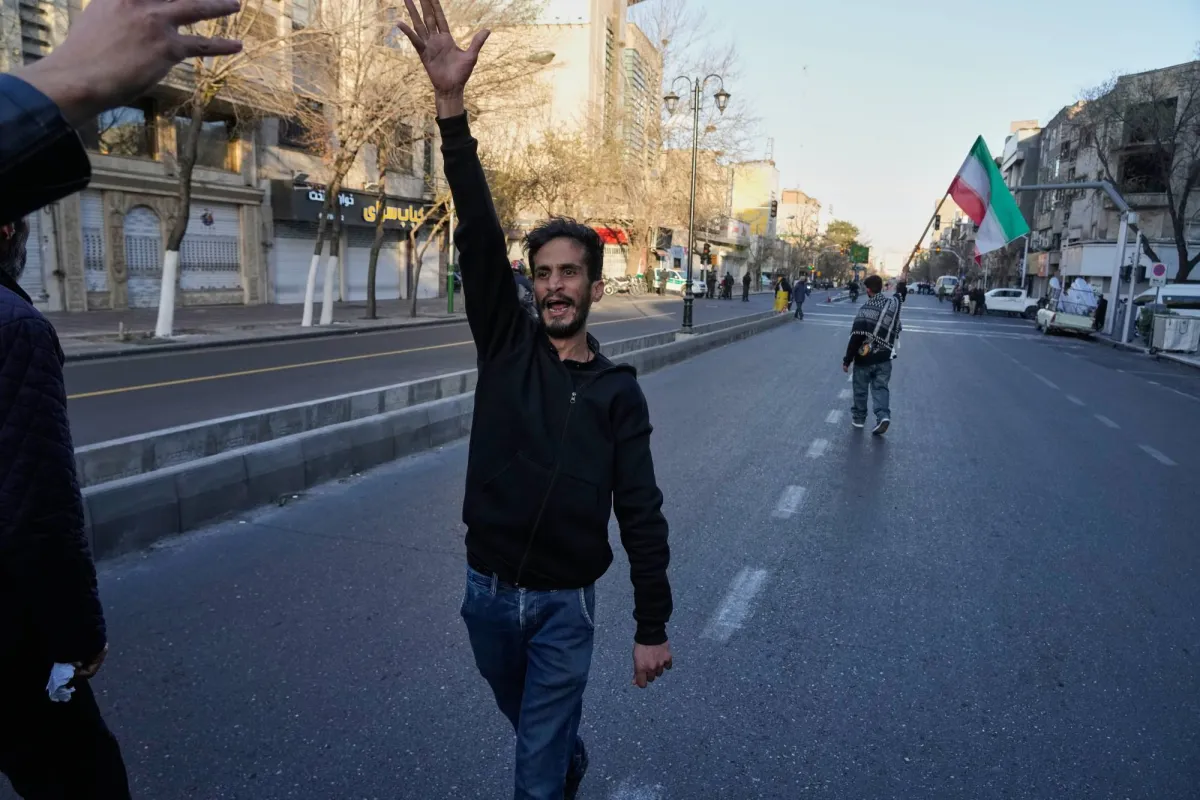
The news of Khamenei's death has elicited mixed reactions in Iran, with some celebrating while others mourned. Iran announced the deaths of other military leaders as well.
The strikes and counter-attacks have raised the specter of a protracted conflict that could engulf the Middle East. Araghchi blamed the United States and Israel for starting the war. Reports also indicate that civilian facilities have been hit, resulting in casualties.
Internet access in Iran has been severely disrupted, with connectivity reportedly reduced to just 1% of normal levels, further isolating the country amid the crisis.