 Milan-Cortina 2026 Olympic Winter Games: freestyle skiing women's freeski slopestyle qualification
Orange Jordan Sponsors Al Hussein Technical University’s "Leadathon"
The CEO of Orange Jordan Visits Yarmouk University President to Strengthen the Strategic Partnership
*Orange Jordan Showcases Fabrication Lab Innovations at the Makers’ Forum
3 Winners at Orange Summer Challenge 2024 Join the “Social Innovation” Journey Fostering "Tech4Impact”
Estarta Named Cisco Systems' Distinguished Supplier of the Year 2024
Milan-Cortina 2026 Olympic Winter Games: freestyle skiing women's freeski slopestyle qualification
Orange Jordan Sponsors Al Hussein Technical University’s "Leadathon"
The CEO of Orange Jordan Visits Yarmouk University President to Strengthen the Strategic Partnership
*Orange Jordan Showcases Fabrication Lab Innovations at the Makers’ Forum
3 Winners at Orange Summer Challenge 2024 Join the “Social Innovation” Journey Fostering "Tech4Impact”
Estarta Named Cisco Systems' Distinguished Supplier of the Year 2024
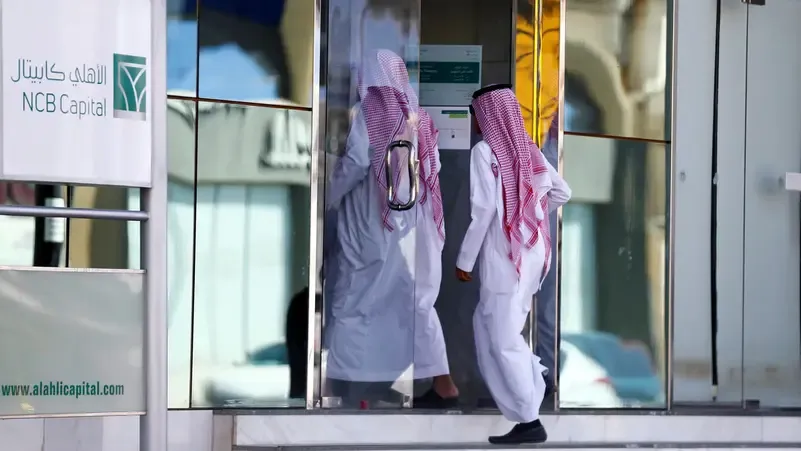
Saudi Arabia's banking sector witnessed a historic year, achieving record profits driven by economic growth and ambitious development projects, but faces challenges ahead.
The banking sector's performance reflects the Kingdom's overall economic health, supported by government spending and the diversification efforts outlined in Vision 2030.
Saudi banks face potential challenges including pressure on profit margins due to interest rate trends and the need for continuous investment in cybersecurity to combat evolving threats.
The sector's robust performance was fueled by a combination of factors, including strong financial solvency, expanded lending portfolios, and favorable evaluations from international institutions.
The International Monetary Fund (IMF) has lauded the Saudi banking sector for its resilience, strong capitalization levels, and ample liquidity, noting a significant decrease in non-performing loans to their lowest levels since 2016.
According to the IMF, Saudi banks have demonstrated the ability to withstand economic shocks and fluctuations in oil prices, due to rigorous stress tests, with the banking sector possessing solid foundations to continue supporting the growth of the non-oil economy.
The performance encompassed all ten banks listed on the Saudi stock market, including AlAhli Saudi Bank, Al Rajhi Bank, Riyad Bank, Saudi Awwal Bank, Saudi Fransi Bank, Arab National Bank, Alinma Bank, Bank Albilad, Saudi Investment Bank, and Bank AlJazira.
AlAhli Saudi Bank led in net profits, recording 25 billion riyals, with a growth rate of 18 percent, while Al Rajhi Bank secured the second position, achieving the highest growth rate among listed banks, exceeding 26 percent, with profits surpassing 24.7 billion riyals; Riyad Bank ranked third with profits of 10.4 billion riyals, marking a growth rate of 12 percent.
Dr. Suliman Al-Humaid Al-Khaldi, a financial market analyst and member of the Saudi Economic Association, noted that the banking sector's results reflect its strength and resilience, with AlAhli Saudi Bank and Al Rajhi Bank leading the way.
Al-Khaldi attributed the growth to several key factors, including sustained high-interest rates, expansion in lending, especially real estate financing and corporate financing related to Saudi Vision 2030 projects, improved asset quality, reduced provisions, and expansion in digital services.
Looking ahead, Al-Khaldi anticipates more moderate growth in 2026, with potential stabilization or decline in interest rates, which may exert some pressure on profit margins; however, continued government spending, major projects, and the growth of the non-oil sector will sustain strong demand for financing.
Banks are expected to focus on diversifying income sources through fees and investment services and enhancing digital transformation to improve efficiency, and the Saudi banking sector is poised to maintain a strong position, supported by a stable economic environment and structural reforms.
Financial analyst Nasser Al-Rashid described the sector's earnings as historic, driven by continuous growth in business within the Saudi economy and the annual growth of the government budget, noting that banks are an integral part of the financial system and the most supportive sector for the Saudi market index.
Al-Rashid attributed the growth in bank profits to the increase in net income from interest and operating activities, resulting from the expansion of the banking lending portfolio, the growth of income from bank fees and commissions, and the strong expansion in the lending portfolio.
The improved economic environment and the operation of some mega-projects within Vision 2030 have boosted the demand for bank financing and increased the demand for credit, in addition to the improvement in operating profitability levels, the decrease in risk costs in some banks, and the increase in the demand for financing, and some banks have achieved capital gains from the sale of assets and investments.
Most banks have benefited from the diversification of income sources and have achieved gains from various financial instruments, such as sukuk and other investments, in addition to benefiting from the stability and relative reduction in interest rates, which has contributed to improving profit margins.