 Milan-Cortina 2026 Olympic Winter Games: freestyle skiing women's freeski slopestyle qualification
Orange Jordan Sponsors Al Hussein Technical University’s "Leadathon"
The CEO of Orange Jordan Visits Yarmouk University President to Strengthen the Strategic Partnership
*Orange Jordan Showcases Fabrication Lab Innovations at the Makers’ Forum
3 Winners at Orange Summer Challenge 2024 Join the “Social Innovation” Journey Fostering "Tech4Impact”
Estarta Named Cisco Systems' Distinguished Supplier of the Year 2024
Milan-Cortina 2026 Olympic Winter Games: freestyle skiing women's freeski slopestyle qualification
Orange Jordan Sponsors Al Hussein Technical University’s "Leadathon"
The CEO of Orange Jordan Visits Yarmouk University President to Strengthen the Strategic Partnership
*Orange Jordan Showcases Fabrication Lab Innovations at the Makers’ Forum
3 Winners at Orange Summer Challenge 2024 Join the “Social Innovation” Journey Fostering "Tech4Impact”
Estarta Named Cisco Systems' Distinguished Supplier of the Year 2024
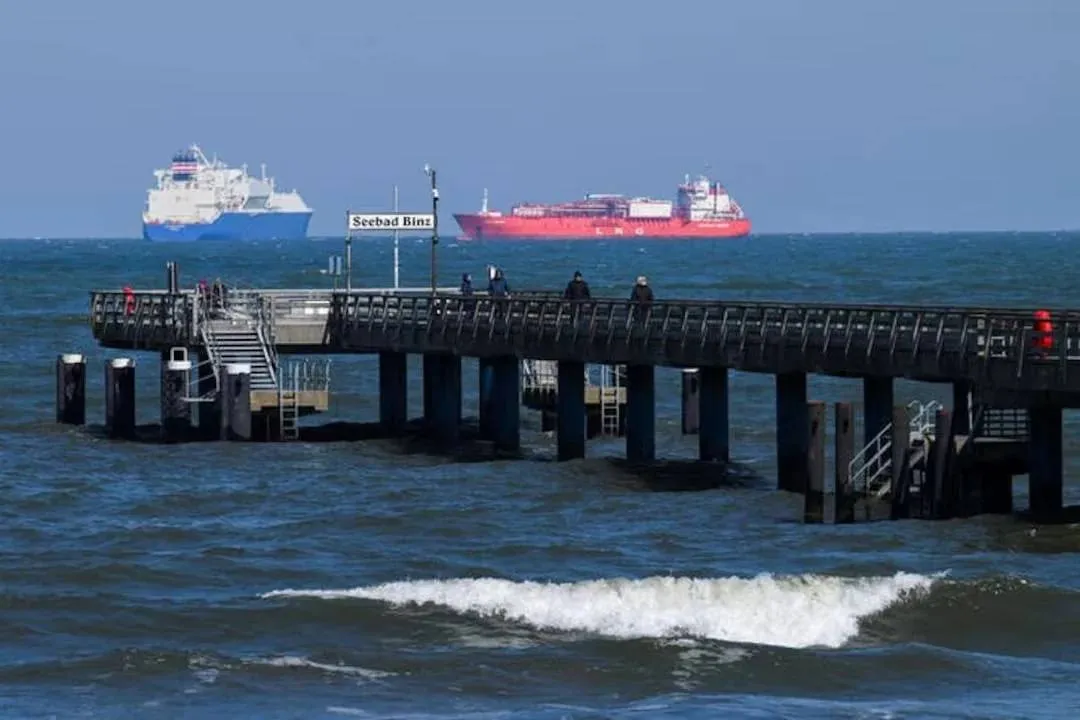
Germany is considering importing biomethane from Ukraine to help implement its new heating law, potentially easing concerns about the availability and cost of green fuels.
German Economy Minister Katharina Reiche believes biomethane is readily available and already traded in markets, with Ukraine offering significant quantities.
While acknowledging existing regulatory challenges on both the Ukrainian and EU sides, Reiche anticipates substantial biomethane imports once these hurdles are overcome.
The new heating law allows property owners to continue installing oil and gas heating systems. However, new gas and oil heating systems installed after January 2029 must increasingly utilize climate-friendly fuels like biomethane or synthetic fuels.
Critics have raised concerns about the limited availability and potential high cost of “green gases,” which they fear could lead to a cost trap for consumers.
Reiche has dismissed these criticisms, stating the government aims to encourage investment by alleviating concerns about excessive burdens and facilitating the transition to modern heating systems.
She anticipates that many consumers will opt for heat pumps, but new gas boilers can be used where heat pumps are not feasible. A model for blending “green gases” is expected to be developed by the summer.
Addressing concerns about rising service costs for tenants, Reiche argued that the worst and most expensive outcome would be to avoid replacing heating systems, leading to continued use of inefficient gas or oil appliances.
Reiche also aims to expand domestic gas production, noting Germany's own reserves. She emphasized the need to balance environmental interests with the security of raw material supplies, especially in the current geopolitical climate.
She cited the German government's allowance for the Netherlands to explore a gas field in the North Sea, suggesting that similar exploration should be possible on the German side, despite concerns about marine protection.
According to the reform plans agreed upon by Germany's ruling coalition, the new regulations aim to gradually shift towards more sustainable heating solutions while ensuring affordability and security of supply.
The ongoing debate highlights the challenges of balancing climate goals with economic realities and energy security concerns in Germany's energy transition.