 Milan-Cortina 2026 Olympic Winter Games: freestyle skiing women's freeski slopestyle qualification
Orange Jordan Sponsors Al Hussein Technical University’s "Leadathon"
The CEO of Orange Jordan Visits Yarmouk University President to Strengthen the Strategic Partnership
*Orange Jordan Showcases Fabrication Lab Innovations at the Makers’ Forum
3 Winners at Orange Summer Challenge 2024 Join the “Social Innovation” Journey Fostering "Tech4Impact”
Estarta Named Cisco Systems' Distinguished Supplier of the Year 2024
Milan-Cortina 2026 Olympic Winter Games: freestyle skiing women's freeski slopestyle qualification
Orange Jordan Sponsors Al Hussein Technical University’s "Leadathon"
The CEO of Orange Jordan Visits Yarmouk University President to Strengthen the Strategic Partnership
*Orange Jordan Showcases Fabrication Lab Innovations at the Makers’ Forum
3 Winners at Orange Summer Challenge 2024 Join the “Social Innovation” Journey Fostering "Tech4Impact”
Estarta Named Cisco Systems' Distinguished Supplier of the Year 2024
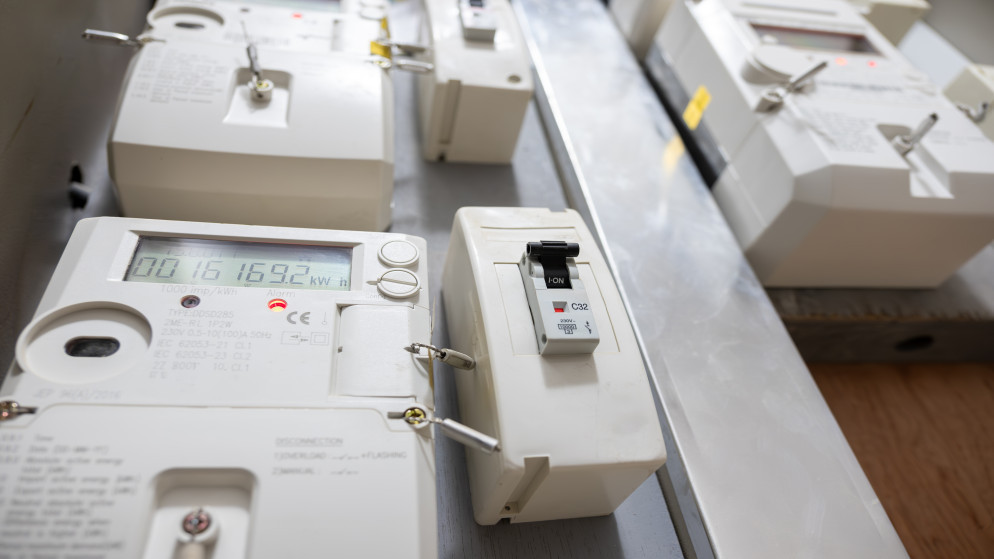
AMMAN - A Jordanian parliamentary committee has recommended a series of reforms to the energy sector, focusing on more equitable electricity tariffs for households and enhanced support for renewable energy solutions.
The Energy and Mineral Resources Committee, led by MP Ayman Abu Hanieh, emphasized the need for a revamped "smart tariff" system and a fairer seasonal approach to electricity pricing during a recent meeting, according to a statement from the committee.
The committee advocated for redesigning the “smart tariff” concept by setting the price of the third subsidized bracket at 12 qirsh per kilowatt-hour (kWh). This fixed rate aims to protect middle-income families from unexpected bill increases and prevent abrupt transitions from full subsidies to unsubsidized tariffs, thus stabilizing household finances amidst seasonal consumption changes.
To ensure that subsidies reach those who genuinely need them, the committee proposed adjusting eligibility based on actual average consumption. Subscribers exceeding an average monthly consumption of 1000 kWh would transition to the unsubsidized tariff, reassessed annually to allow for re-entry into the subsidized bracket if consumption decreases.
Recognizing the impact of seasonal climate variations on electricity consumption, the committee recommended doubling the current discount on subsidized brackets during peak months (July, August, September, December, January, and February) without applying any discounts during the remaining months. This targeted approach aims to mitigate inflated bills during extreme weather periods, fostering trust in tariff policies and promoting efficient resource allocation.
The committee also called for facilitating electricity access for inhabited dwellings by waiving the requirement for occupancy permits until a date determined by the Cabinet. This measure aims to address existing social challenges, prevent network tampering, and integrate these consumers into the unsubsidized tariff system until their legal status is regularized.
Further recommendations included restructuring electricity brackets, promoting energy justice, and preventing forced transitions to higher brackets due to aggregated consumption on single meters. The committee also suggested exploring the expansion of the “smart tariff” concept to account for seasonal variations in regions like the Jordan Valley, Aqaba, and other hot areas.
To support renewable energy adoption, the committee proposed directing grants from the “Fils Al Reef” fund and donor agencies towards installing high-efficiency air conditioners powered by solar systems in the Jordan Valley and Aqaba. Additional initiatives include supporting solar energy systems for cooling in government schools in hot regions and providing solar water heaters for families benefiting from the National Aid Fund.
In a move to encourage household investment in solar systems without imposing additional burdens, the committee recommended resetting net metering balances for all grid-connected solar systems every April. This measure aims to prevent the accumulation of unused credits and ensure fairness among subscribers.
Finally, the committee advocated for clearly distinguishing between self-consumption systems (without surplus) that should be exempt from deduction fees, net metering systems with seasonal surplus, and electricity sales systems, each governed by distinct regulatory frameworks. The committee also urged the development of official digital applications enabling subscribers to monitor real-time consumption, understand current and projected tariffs, and receive alerts regarding tariff thresholds.