 Milan-Cortina 2026 Olympic Winter Games: freestyle skiing women's freeski slopestyle qualification
Orange Jordan Sponsors Al Hussein Technical University’s "Leadathon"
The CEO of Orange Jordan Visits Yarmouk University President to Strengthen the Strategic Partnership
*Orange Jordan Showcases Fabrication Lab Innovations at the Makers’ Forum
3 Winners at Orange Summer Challenge 2024 Join the “Social Innovation” Journey Fostering "Tech4Impact”
Estarta Named Cisco Systems' Distinguished Supplier of the Year 2024
Milan-Cortina 2026 Olympic Winter Games: freestyle skiing women's freeski slopestyle qualification
Orange Jordan Sponsors Al Hussein Technical University’s "Leadathon"
The CEO of Orange Jordan Visits Yarmouk University President to Strengthen the Strategic Partnership
*Orange Jordan Showcases Fabrication Lab Innovations at the Makers’ Forum
3 Winners at Orange Summer Challenge 2024 Join the “Social Innovation” Journey Fostering "Tech4Impact”
Estarta Named Cisco Systems' Distinguished Supplier of the Year 2024
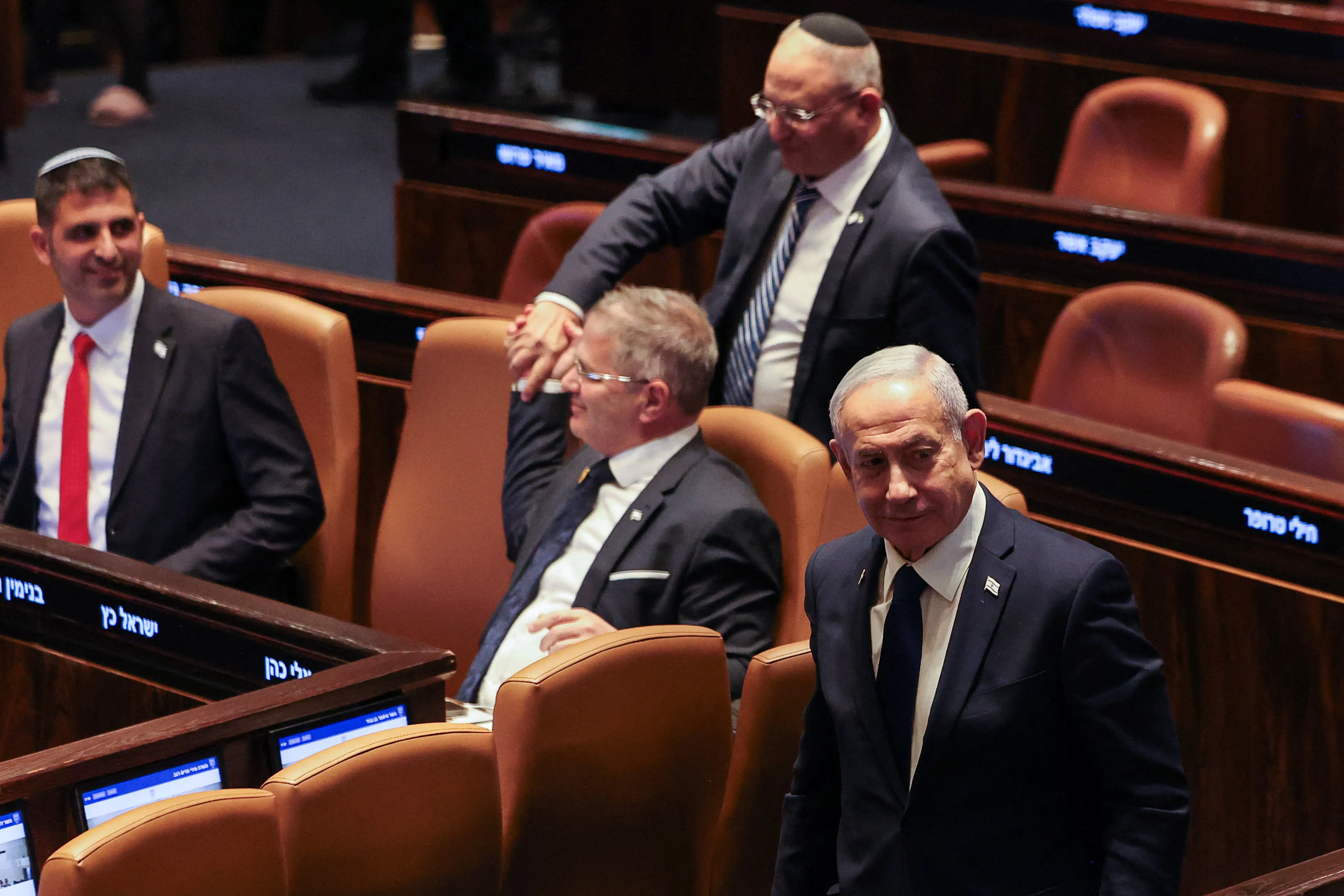
Israel faces a complex political landscape as escalating tensions with Iran intersect with critical budget deadlines, potentially leading to early elections. The Knesset is under pressure to approve the 2026 budget by the end of March, but ongoing military operations could disrupt this timeline.
According to the Israeli newspaper Calcalist, the continuation of Operation “Lion’s Roar” may necessitate amending “Basic Law: The Knesset” or enacting a “temporary order” to extend the budget approval deadline, averting elections during a time of conflict. Such a measure would require broad support, exceeding the ruling coalition's votes, potentially needing 70 to 80 Knesset members in agreement.
Since the beginning of January, the government has been operating without an approved budget, relying on a monthly spending system based on the 2025 budget adjusted for inflation. The Knesset must pass the budget in its second and third readings by the end of March to avoid automatic dissolution.
The government submitted the budget late in January, prompted by legal counsel from the Knesset, who emphasized the necessity of a 60-day period between the first reading and the subsequent two. With the deadline set by the coalition on March 26, only a few weeks remain for the final vote, complicated by Knesset closures due to the Purim holiday.
The Finance Committee initiated discussions just weeks ago, and the newspaper noted that the reduced pace of sessions due to the security situation might impede a fundamental and thorough debate on spending items.
Calcalist recalled a precedent from 2020 when the budget approval was postponed from August to December during the COVID-19 pandemic due to disagreements between Prime Minister Benjamin Netanyahu and then leader of the “State Camp” party, Benny Gantz, regarding a biennial budget.
However, legal experts cited by Calcalist suggest that the current situation is more complex, given that the government has been in office for three years and submitted the budget late.
Within the coalition, there are estimations that a successful military operation could lead to advancing the elections to June 2026, capitalizing on military achievements for electoral gains. A potential visit by former U.S. President Donald Trump at the end of April, coinciding with Israel's Independence Day, along with a visit from Argentinian President Javier Milei, could be leveraged by Netanyahu in his campaign.
Conversely, failure to approve the budget by the mid-March deadline would automatically dissolve the Knesset, triggering elections in June.
The newspaper also raised the possibility of Netanyahu moving to cancel primary elections within his party, granting him the authority to form the list through a committee he controls, along with demands for reserved seats for specific individuals.
The ongoing military escalation has also cast a shadow on the “exemption law,” with the newspaper suggesting that the continuation of the operation and reduced Knesset sessions increase the likelihood of its non-enactment.
Netanyahu had been pressing for its approval before the elections to secure the trust of parties aligned with the Haredi community, who had threatened to link their participation in any future coalition to the passage of the law.
Caught between an open war and a suspended budget, calculations in Tel Aviv appear to extend beyond mere spending figures, with a parliament operating under time constraints and a leadership balancing between extending deadlines and wagering on the ballot box.