 Milan-Cortina 2026 Olympic Winter Games: freestyle skiing women's freeski slopestyle qualification
Orange Jordan Sponsors Al Hussein Technical University’s "Leadathon"
The CEO of Orange Jordan Visits Yarmouk University President to Strengthen the Strategic Partnership
*Orange Jordan Showcases Fabrication Lab Innovations at the Makers’ Forum
3 Winners at Orange Summer Challenge 2024 Join the “Social Innovation” Journey Fostering "Tech4Impact”
Estarta Named Cisco Systems' Distinguished Supplier of the Year 2024
Milan-Cortina 2026 Olympic Winter Games: freestyle skiing women's freeski slopestyle qualification
Orange Jordan Sponsors Al Hussein Technical University’s "Leadathon"
The CEO of Orange Jordan Visits Yarmouk University President to Strengthen the Strategic Partnership
*Orange Jordan Showcases Fabrication Lab Innovations at the Makers’ Forum
3 Winners at Orange Summer Challenge 2024 Join the “Social Innovation” Journey Fostering "Tech4Impact”
Estarta Named Cisco Systems' Distinguished Supplier of the Year 2024
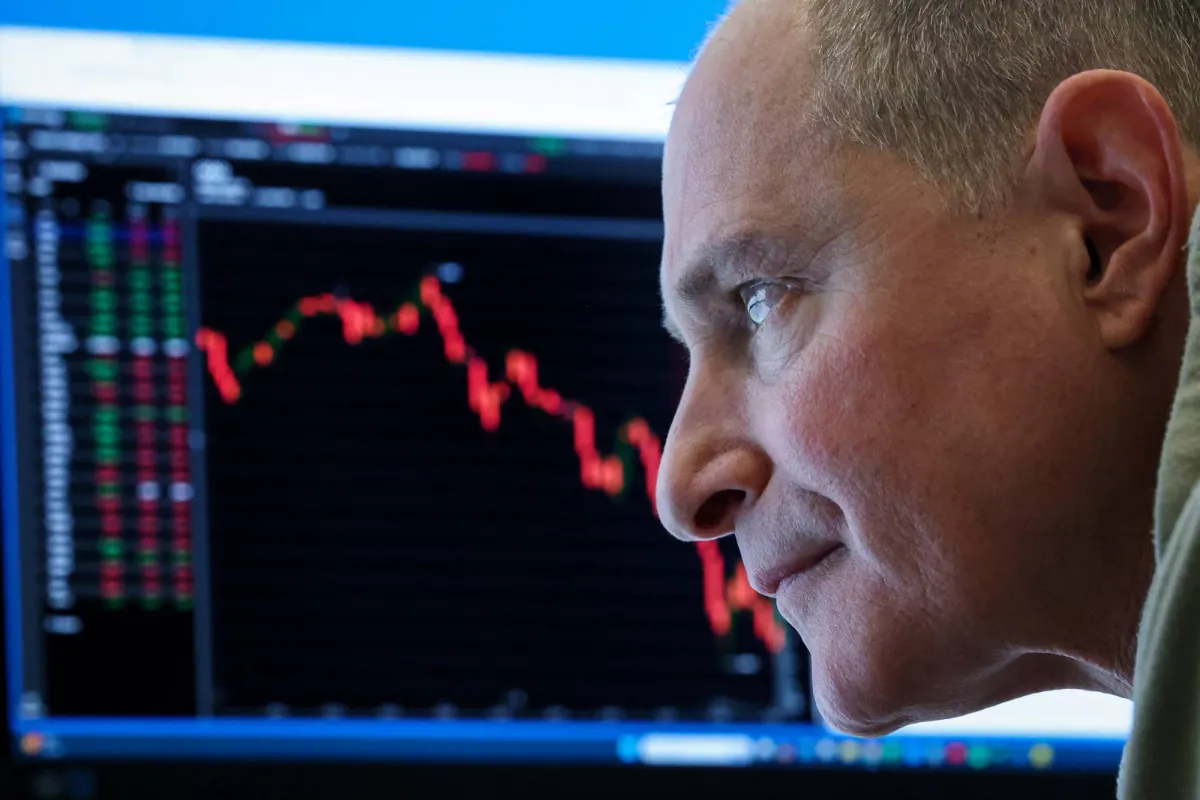
Global markets are on high alert as escalating military tensions in the Middle East trigger concerns about supply chain disruptions and a shift in investor focus towards geopolitical risk premiums.
The oil market is particularly vulnerable, with Iran's strategic location near the Strait of Hormuz, a crucial route for global crude oil supplies, raising fears of price spikes. Major companies have already suspended shipments through the strait.
Analysts predict that Brent crude prices, previously trading around $73 a barrel, could surge to $80 even if the conflict is contained, and potentially reach $100 if disruptions persist, adding significant inflationary pressure to the global economy.
These geopolitical tensions are expected to exacerbate market volatility, already heightened by trade disputes and fluctuations in tech stocks.
The U.S. market volatility index (VIX), often referred to as the "fear gauge," has risen by approximately one-third, while the MOVE index, which tracks Treasury bond volatility, has increased by 15 percent.
Currency markets are also expected to experience turbulence. While the U.S. dollar initially weakened during a past conflict, analysts suggest that its performance will depend on the scale and duration of the current tensions. A prolonged conflict disrupting oil supplies could strengthen the dollar against most currencies, except for the Japanese yen and Swiss franc, as the U.S. benefits from higher energy prices.
The Swiss franc, traditionally a safe-haven asset, faces upward pressure, potentially posing challenges for the Swiss National Bank. Bitcoin's appeal as a safe haven has diminished, further solidifying its status as a high-risk asset.
Precious metals are poised for significant price increases as investors seek refuge from geopolitical uncertainty. Gold prices briefly approached record levels, while silver saw a notable surge.
Whether these gains are sustainable depends on continued demand, persistent uncertainty, and a potential escalation of the conflict that could drive investors towards tangible assets.
The futures contracts for gold ended trading up significantly since February, raising questions about whether these gains will hold.
The conflict is creating a divergence in sector performance, with airline companies facing pressure due to flight cancellations and airspace closures, while European defense companies are attracting strong inflows.
Looking beyond the Middle East, markets are closely watching U.S. non-farm payroll data, which will provide insights into the strength of the economy and influence the Federal Reserve's monetary policy decisions.
Economists suggest that the Federal Reserve is unlikely to cut interest rates before mid-year unless there is a significant weakening of the economy.
U.S. financial markets are not anticipating interest rate cuts until July at the earliest, with some projecting no further easing until later.
Ahead of the key jobs report, data on private sector employment, unemployment claims, and manufacturing and services activity will be closely scrutinized for indications of the U.S. economy's overall health.
In Europe, attention will be focused on inflation and retail sales data for the Eurozone, as well as final GDP and employment figures for the fourth quarter.
In the UK, a Spring Budget report is scheduled, which will provide a mid-year update on public finances. Bond investors anticipate a decrease in government debt issuance, potentially leading to lower government bond yields.