 Milan-Cortina 2026 Olympic Winter Games: freestyle skiing women's freeski slopestyle qualification
Orange Jordan Sponsors Al Hussein Technical University’s "Leadathon"
The CEO of Orange Jordan Visits Yarmouk University President to Strengthen the Strategic Partnership
*Orange Jordan Showcases Fabrication Lab Innovations at the Makers’ Forum
3 Winners at Orange Summer Challenge 2024 Join the “Social Innovation” Journey Fostering "Tech4Impact”
Estarta Named Cisco Systems' Distinguished Supplier of the Year 2024
Milan-Cortina 2026 Olympic Winter Games: freestyle skiing women's freeski slopestyle qualification
Orange Jordan Sponsors Al Hussein Technical University’s "Leadathon"
The CEO of Orange Jordan Visits Yarmouk University President to Strengthen the Strategic Partnership
*Orange Jordan Showcases Fabrication Lab Innovations at the Makers’ Forum
3 Winners at Orange Summer Challenge 2024 Join the “Social Innovation” Journey Fostering "Tech4Impact”
Estarta Named Cisco Systems' Distinguished Supplier of the Year 2024
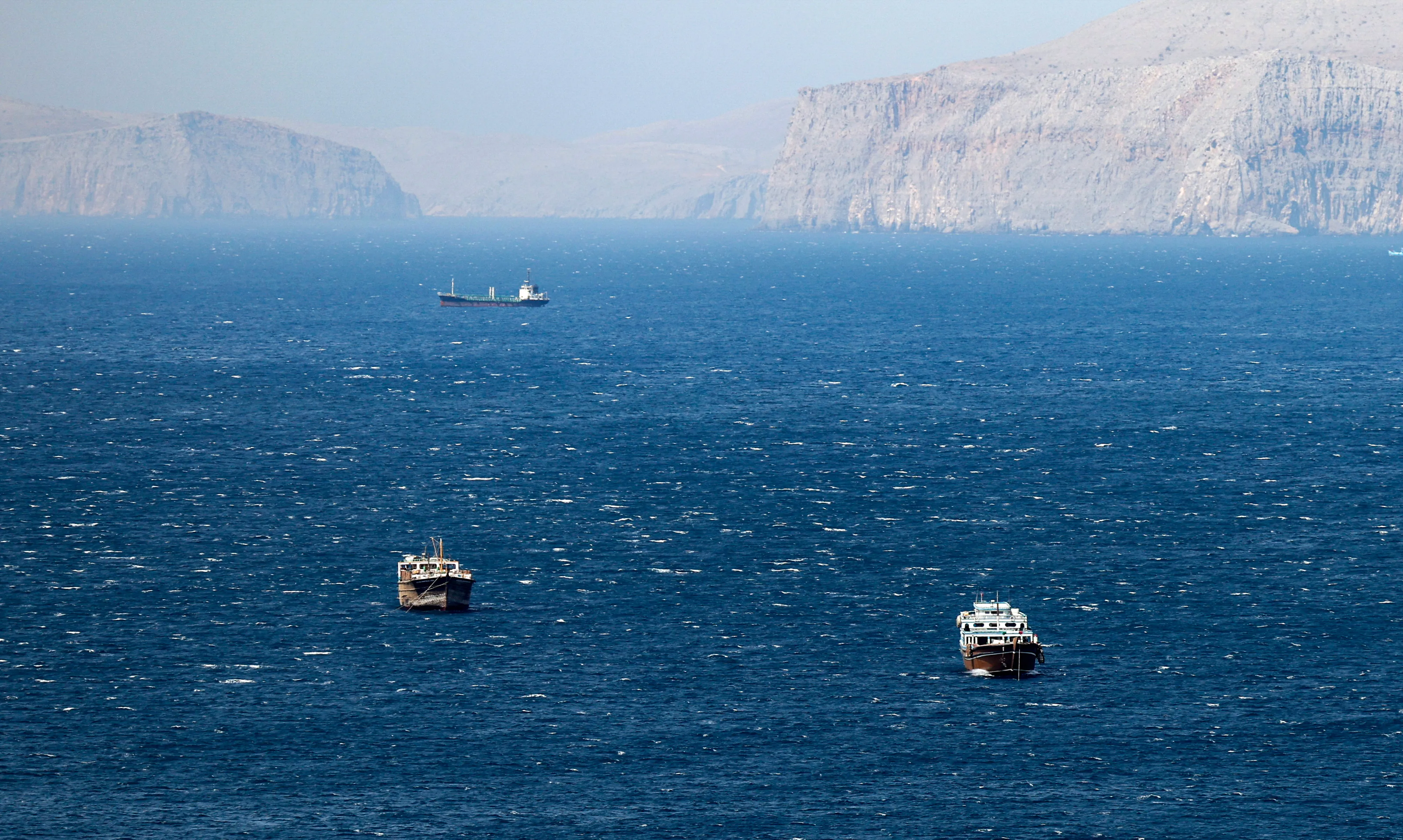
Several shipping companies are pausing operations through the Strait of Hormuz, a critical waterway for global oil and gas supplies, amid heightened regional tensions. The moves follow reports of increased instability in the area, prompting concerns about the safety of vessels and crews.
Japanese shipping firms Nippon Yusen and Mitsui O.S.K. Lines have already instructed their vessels to halt transit through the Strait. A spokesperson for Nippon Yusen confirmed the directive, issued on Saturday, while Mitsui O.S.K. Lines emphasized that the safety of crew, cargo, and vessels is their “top priority.”
Kawasaki Kisen, another major Japanese shipping company, stated that its vessels currently in the Gulf are on standby. A company spokesperson noted the limited options for rerouting shipments, highlighting the strategic importance of the Strait of Hormuz.
Hapag-Lloyd, the world’s fifth-largest shipping company, has also suspended all vessel transits through the Strait of Hormuz until further notice. The company warned that vessels calling at Gulf ports may experience delays, rerouting, or schedule adjustments.
The Strait of Hormuz, a narrow waterway between Iran and Oman, is one of the world’s busiest oil transit chokepoints, with approximately 20% of global oil supplies passing through it daily. According to the U.S. Energy Information Administration, around 20 million barrels of crude oil traversed the Strait daily. Significant volumes of liquefied natural gas (LNG) also pass through this strategic waterway.
Concerns about maritime safety have been escalating, with reports indicating potential disruptions to shipping. A senior executive at a major trading firm revealed that their vessels would remain in place for several days.
Satellite imagery has shown a concentration of vessels near key ports such as Fujairah in the United Arab Emirates, with limited movement through the Strait. A European Union naval mission (Aspides) official told Reuters that multiple ships in the region received high-frequency radio broadcasts from the Iranian Revolutionary Guard, stating that no vessels would be allowed to pass through the Strait of Hormuz.
The UK Royal Navy has asserted that Iran's orders are not legally binding and advised vessels to transit with caution. Shipping brokerage firm Poten & Partners noted in a client memo that while vessel movement through the Strait has not completely stopped, disruptions are rapidly increasing.
INTERTANKO, a tanker association, reported that the U.S. Navy has issued warnings regarding navigation in the operational area encompassing the Gulf, Gulf of Oman, northern Arabian Sea, and the Strait of Hormuz, stating that the safety of neutral navigation or commercial vessels cannot be guaranteed.
Similarly, the Greek Ministry of Maritime Affairs advised vessels on Saturday to avoid transiting the Gulf, Gulf of Oman, and Strait of Hormuz, according to a warning memo seen by Reuters.
CMA CGM, the world’s third-largest container shipping group, has instructed its vessels within or heading to the Gulf to proceed to safe locations.
Laura Page, Director of LNG and Natural Gas Analytics at Kpler, noted that 14 LNG tankers without cargo have shown indications of slowing down, changing course, or stopping in or near the Strait, with the expectation that this number will likely increase in the coming days.