 Milan-Cortina 2026 Olympic Winter Games: freestyle skiing women's freeski slopestyle qualification
Orange Jordan Sponsors Al Hussein Technical University’s "Leadathon"
The CEO of Orange Jordan Visits Yarmouk University President to Strengthen the Strategic Partnership
*Orange Jordan Showcases Fabrication Lab Innovations at the Makers’ Forum
3 Winners at Orange Summer Challenge 2024 Join the “Social Innovation” Journey Fostering "Tech4Impact”
Estarta Named Cisco Systems' Distinguished Supplier of the Year 2024
Milan-Cortina 2026 Olympic Winter Games: freestyle skiing women's freeski slopestyle qualification
Orange Jordan Sponsors Al Hussein Technical University’s "Leadathon"
The CEO of Orange Jordan Visits Yarmouk University President to Strengthen the Strategic Partnership
*Orange Jordan Showcases Fabrication Lab Innovations at the Makers’ Forum
3 Winners at Orange Summer Challenge 2024 Join the “Social Innovation” Journey Fostering "Tech4Impact”
Estarta Named Cisco Systems' Distinguished Supplier of the Year 2024

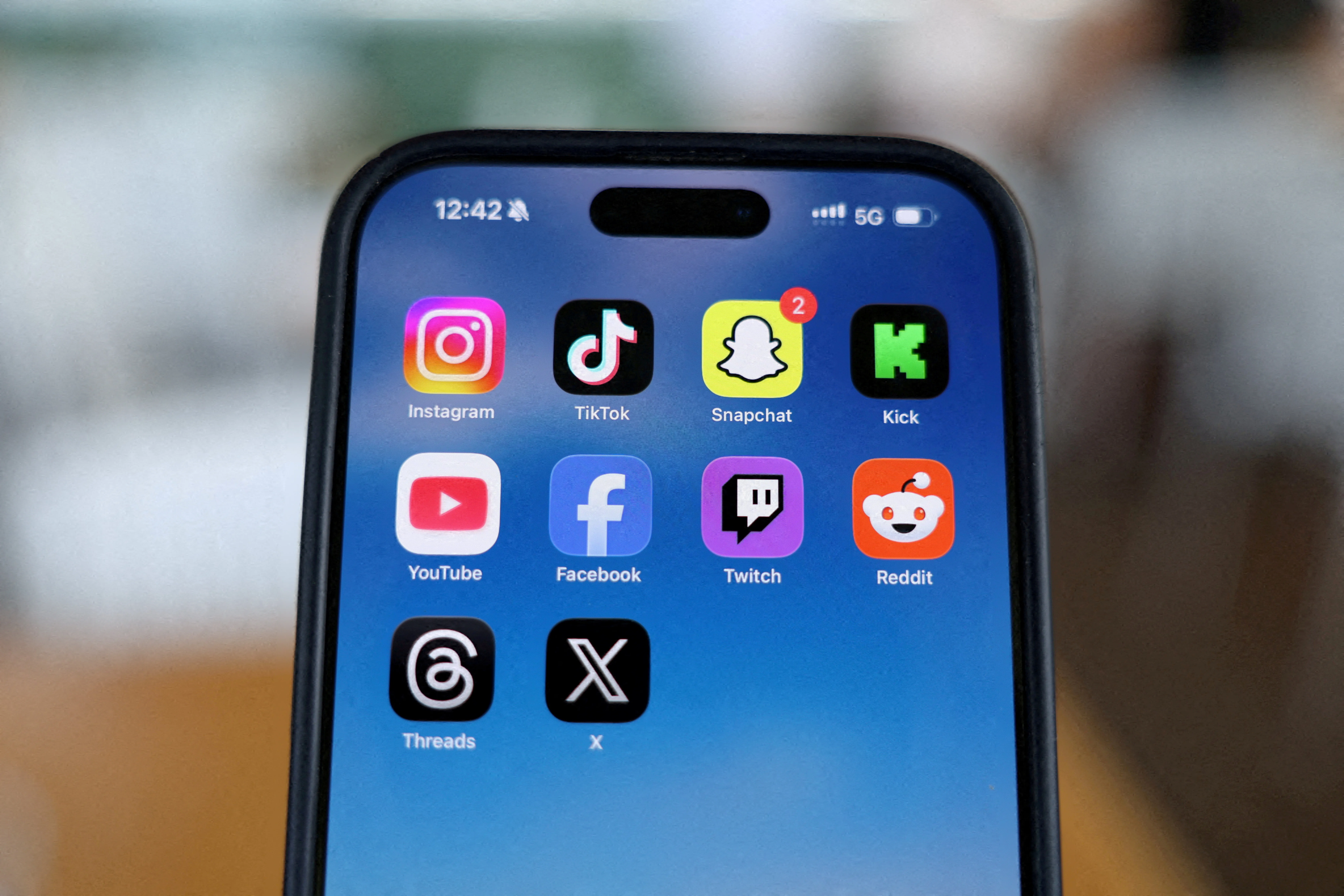
The UK government is considering a ban on social media for those under 16, prompted by growing concerns over the platforms' impact on children's mental health and safety.
Prime Minister Keir Starmer's government is moving from regulation to stricter restrictions, citing the need to protect children from the harmful effects of technology.
The urgency for new legislation stems from a perceived loophole in the existing Online Safety Act, which primarily monitors public content but fails to address direct interactions between children and AI chatbots.
The government has identified instances where AI, such as Grok, has generated inappropriate content or fostered unequal emotional relationships with minors.
To address this, the government proposes classifying AI chatbots as social media platforms, subjecting them to the same age restrictions.
Rather than drafting new legislation, the government plans to amend existing child welfare and crime laws to enable ministers to impose immediate bans for those under 16.
These amendments would also criminalize companies that allow AI chatbots to bypass child protection standards.
Additionally, the government aims to enact "Jools' Law," requiring companies to preserve and release deceased minors' data to their families within days to aid investigations into suicide or blackmail cases.
Starmer indicated that all options are on the table, including adopting the Australian model, which uses age verification technologies like facial biometrics or government document verification and penalizes the use of VPNs to circumvent these measures.
Other measures under consideration include removing addictive features like infinite scrolling for those under 18 and holding company directors criminally liable for systemic failures in child protection.
While public support for stricter measures is high, concerns remain. Child rights organizations caution that a ban could drive children to the dark web, where monitoring is impossible.
Some teenagers aged 15 and 16 have also expressed concern that a ban would cut them off from news and educational resources they rely on as alternatives to traditional media.
Official consultations are expected to begin soon, with a final draft potentially presented to Parliament before June, aiming for implementation before the end of the year.