 Milan-Cortina 2026 Olympic Winter Games: freestyle skiing women's freeski slopestyle qualification
Orange Jordan Sponsors Al Hussein Technical University’s "Leadathon"
The CEO of Orange Jordan Visits Yarmouk University President to Strengthen the Strategic Partnership
*Orange Jordan Showcases Fabrication Lab Innovations at the Makers’ Forum
3 Winners at Orange Summer Challenge 2024 Join the “Social Innovation” Journey Fostering "Tech4Impact”
Estarta Named Cisco Systems' Distinguished Supplier of the Year 2024
Milan-Cortina 2026 Olympic Winter Games: freestyle skiing women's freeski slopestyle qualification
Orange Jordan Sponsors Al Hussein Technical University’s "Leadathon"
The CEO of Orange Jordan Visits Yarmouk University President to Strengthen the Strategic Partnership
*Orange Jordan Showcases Fabrication Lab Innovations at the Makers’ Forum
3 Winners at Orange Summer Challenge 2024 Join the “Social Innovation” Journey Fostering "Tech4Impact”
Estarta Named Cisco Systems' Distinguished Supplier of the Year 2024

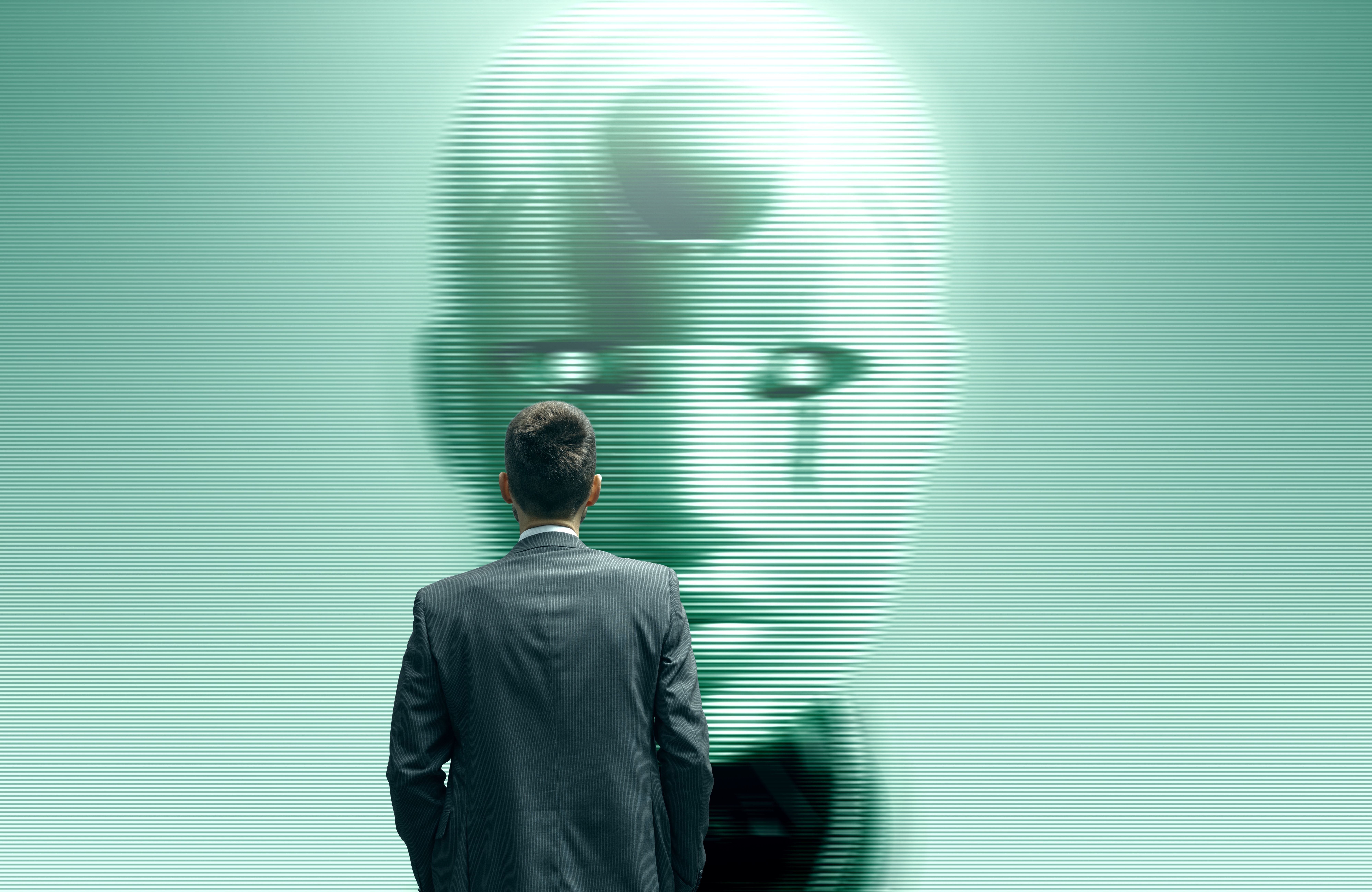
Artificial intelligence (AI) is increasingly shaping daily life during Ramadan, enhancing efficiency in various aspects from meal preparation to spiritual practices, but also raising ethical concerns about digital isolation.
AI is revolutionizing traditional Ramadan practices, offering personalized experiences and optimized routines, but also posing challenges to communal and spiritual engagement.
Smart kitchens equipped with computer vision can now inventory available ingredients and suggest complete meals, addressing the perennial iftar dilemma. This technology extends beyond mere convenience, contributing to sustainability by minimizing food waste through precise calculation of required quantities based on family size and consumption history.
Personalized nutrition, driven by algorithms analyzing individual health conditions such as diabetes or hypertension, is also gaining traction. These algorithms propose tailored meal plans that ensure sustained energy levels throughout the fasting period, mitigating post-iftar lethargy.
Time management, a significant challenge during Ramadan due to shorter workdays and increased spiritual and social obligations, is also being addressed by AI. Smart scheduling applications utilize machine learning to understand user activity patterns. Complex cognitive tasks are automatically scheduled for periods of peak focus, such as the hours following suhoor, while routine communication tasks are reserved for pre-iftar periods when energy levels typically decline.
This adaptive management approach alleviates fasting-related stress and enables individuals to balance professional duties with religious observances.
AI-powered tools are also reshaping spiritual practices. Quranic applications employ natural language processing (NLP) to provide real-time feedback on users' recitation, correcting tajweed and pronunciation errors, marking a significant advancement in self-learning.
AI-driven search tools now offer precise jurisprudential and contextual answers based on verified sources, simplifying access to information on fasting regulations or Islamic history. This encyclopedic approach enhances the cognitive experience of Ramadan.
The retail sector is also experiencing AI-driven transformation. Major retailers leverage predictive analytics to ensure the availability of essential goods at fair prices before peak demand, mitigating seasonal inflation.
Smart voice assistants streamline shopping lists based on available deals and compare prices across different platforms. Augmented reality technologies enable users to virtually experience Eid clothing or Ramadan home decor purchases from their homes, avoiding crowded streets.
Generative AI is redefining Ramadan creativity. From innovative greeting cards blending Arabic calligraphy with surreal art to television series employing visual enhancement techniques to recreate historical figures and events, AI is enriching visual experiences.
This content enhances visual appeal and provides new avenues for social connection through personalized messages designed using tools like DALL-E or Midjourney.
Despite these advantages, the integration of AI into Ramadan raises important ethical questions. A key concern is the potential for digital isolation. While AI simplifies many aspects of life, it may tempt individuals to retreat into personal screens at the expense of family time. This underscores the importance of technological awareness, using AI to expedite tasks and free up time for family interaction, rather than substituting algorithmic interactions for familial bonds.
AI in Ramadan is not merely a technological trend but a tool for augmenting human efficiency by digitizing routine tasks, such as cooking, shopping, and scheduling. It offers individuals the gift of time for reflection, worship, and strengthening family ties.
The world is not witnessing the end of traditions but rather the dawn of smart traditions, where human intellect leverages scientific advancements to create a more profound, healthier, and organized Ramadan experience.