 Milan-Cortina 2026 Olympic Winter Games: freestyle skiing women's freeski slopestyle qualification
Orange Jordan Sponsors Al Hussein Technical University’s "Leadathon"
The CEO of Orange Jordan Visits Yarmouk University President to Strengthen the Strategic Partnership
*Orange Jordan Showcases Fabrication Lab Innovations at the Makers’ Forum
3 Winners at Orange Summer Challenge 2024 Join the “Social Innovation” Journey Fostering "Tech4Impact”
Estarta Named Cisco Systems' Distinguished Supplier of the Year 2024
Milan-Cortina 2026 Olympic Winter Games: freestyle skiing women's freeski slopestyle qualification
Orange Jordan Sponsors Al Hussein Technical University’s "Leadathon"
The CEO of Orange Jordan Visits Yarmouk University President to Strengthen the Strategic Partnership
*Orange Jordan Showcases Fabrication Lab Innovations at the Makers’ Forum
3 Winners at Orange Summer Challenge 2024 Join the “Social Innovation” Journey Fostering "Tech4Impact”
Estarta Named Cisco Systems' Distinguished Supplier of the Year 2024
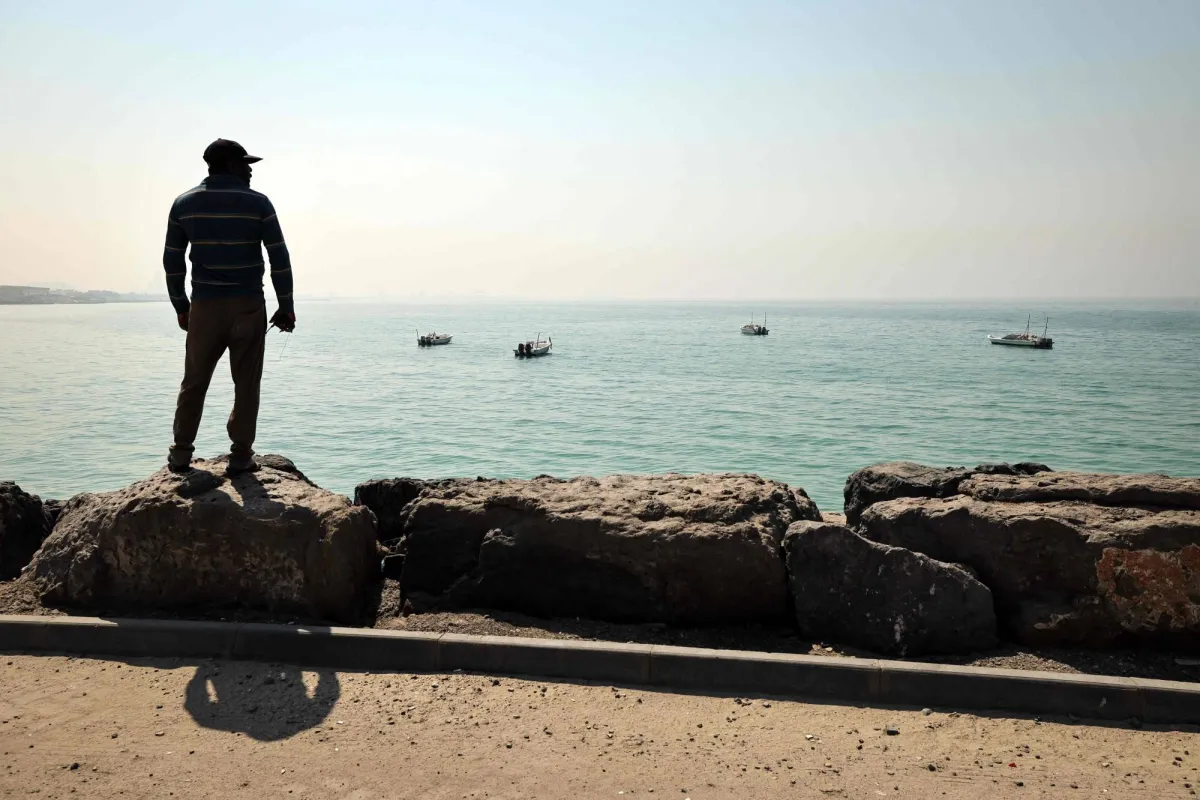
Oil prices are expected to remain volatile as tensions escalate in the Middle East, with markets closely monitoring the crucial Strait of Hormuz, which sees over 20% of global oil flow, analysts say.
The potential for disruptions through the Strait of Hormuz looms large, with analysts at Wood Mackenzie suggesting that oil prices could surge past $100 a barrel if tanker traffic is not quickly restored.
Societe Generale analysts predict a short-term spike in oil prices, followed by a partial retreat as markets assess the sustainability of supplies. Bernstein has revised its 2026 Brent crude forecast upwards to $80 a barrel from $65, but anticipates prices could soar to between $120 and $150 in the event of a prolonged conflict.
Concerns over supply disruptions have already led several shipowners, major oil companies, and trading houses to suspend crude oil, fuel, and liquefied natural gas shipments through the Strait of Hormuz.
Goldman Sachs estimated an immediate risk premium of $18 per barrel on crude oil prices. The bank noted that this impact could decrease to a $4 premium if only 50% of oil flows through the Strait of Hormuz were halted for a month. However, they cautioned that oil prices could rise significantly if the market demands a premium for the risk of continued supply disruptions.
Citibank analysts anticipate Brent crude prices to fluctuate between $80 and $90 a barrel in the near term, based on their baseline forecasts. The bank also projects a decline to $70 a barrel should tensions ease.
Crude oil futures jumped more than 8% on Monday, reaching multi-month highs following reported attacks in the region. The attacks reportedly caused damage to oil tankers.