 Milan-Cortina 2026 Olympic Winter Games: freestyle skiing women's freeski slopestyle qualification
Orange Jordan Sponsors Al Hussein Technical University’s "Leadathon"
The CEO of Orange Jordan Visits Yarmouk University President to Strengthen the Strategic Partnership
*Orange Jordan Showcases Fabrication Lab Innovations at the Makers’ Forum
3 Winners at Orange Summer Challenge 2024 Join the “Social Innovation” Journey Fostering "Tech4Impact”
Estarta Named Cisco Systems' Distinguished Supplier of the Year 2024
Milan-Cortina 2026 Olympic Winter Games: freestyle skiing women's freeski slopestyle qualification
Orange Jordan Sponsors Al Hussein Technical University’s "Leadathon"
The CEO of Orange Jordan Visits Yarmouk University President to Strengthen the Strategic Partnership
*Orange Jordan Showcases Fabrication Lab Innovations at the Makers’ Forum
3 Winners at Orange Summer Challenge 2024 Join the “Social Innovation” Journey Fostering "Tech4Impact”
Estarta Named Cisco Systems' Distinguished Supplier of the Year 2024
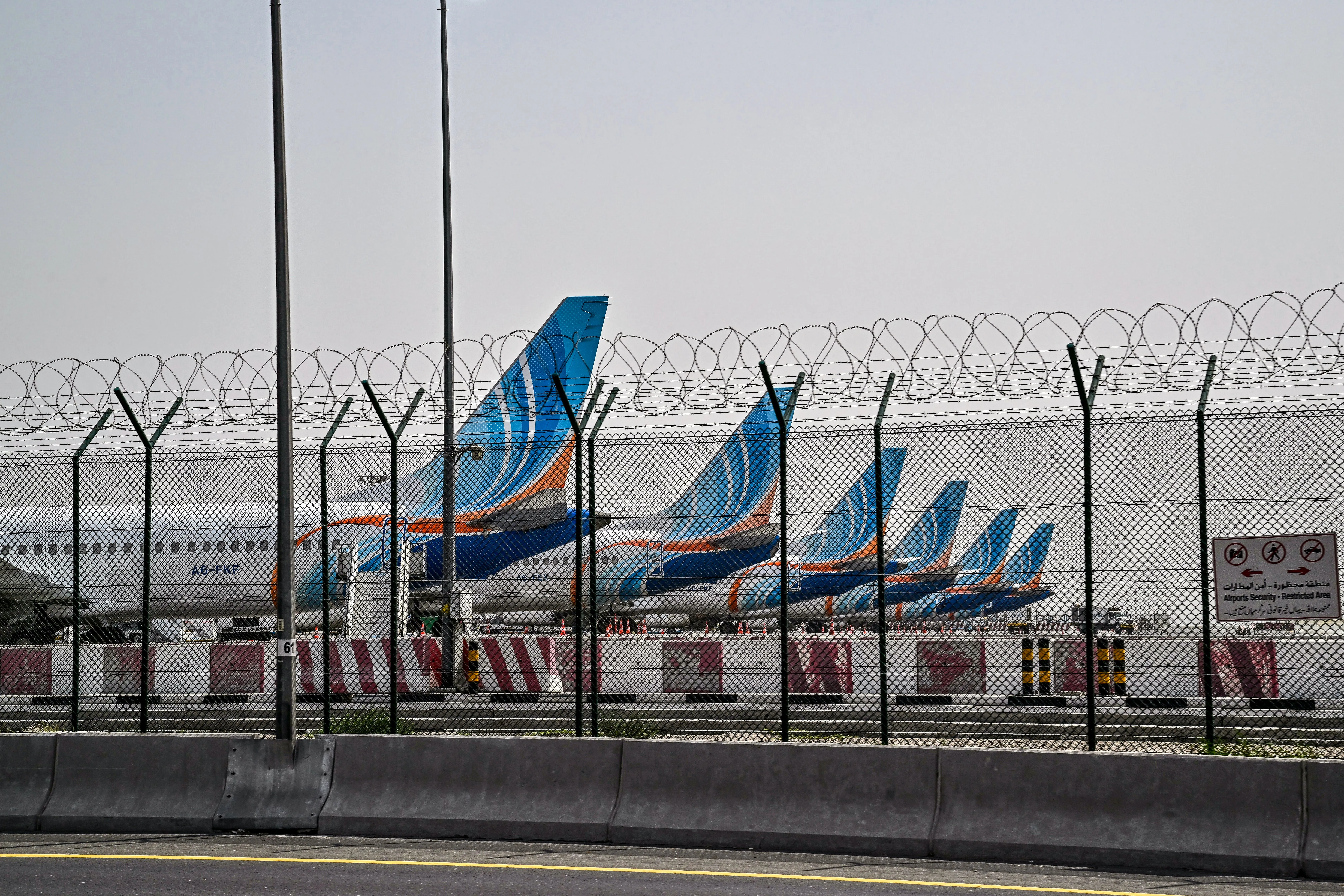
Asian airline stocks plummeted following reports of escalating tensions in the Middle East, triggering widespread flight disruptions and a surge in oil prices.
The unfolding situation has led to significant losses for major carriers across the region, with some routes suspended. The aviation industry, particularly sensitive to geopolitical instability, faces immediate impacts from airspace closures and rising energy costs.
Shares of Cathay Pacific in Hong Kong, Qantas Airways, Singapore Airlines, and Japan Airlines all experienced declines of over 5% after the initial reports. This downturn reflects investor concerns about prolonged travel disruptions and the potential for increased operational expenses.
Qantas shares initially fell by 10.4% at the start of trading in Australia, marking a 10-month low, before recovering slightly to trade down approximately 6%. Other Asian airlines, including Air China and Malaysia Airlines, also saw their stock values decrease.
Several major airports in the Middle East have temporarily suspended operations, leaving thousands of passengers stranded and causing widespread cancellations. Cathay Pacific has announced the cancellation of all flights to the Middle East, including Dubai and Riyadh, until further notice. Singapore Airlines has canceled flights to and from Dubai through March 7, while Japan Airlines has temporarily suspended flights between Tokyo and Doha.
Data indicates that Chinese airlines have canceled a substantial percentage of flights to and from the Middle East, reflecting what analysts describe as an acute short-term disruption. Airlines are closely monitoring the situation before making extensive adjustments to their schedules.
Concurrently, oil prices have spiked, further straining airline finances already burdened by high fuel costs. The markets remain on edge, closely monitoring the trajectory of the escalating tensions and the duration of the disruption.