 Milan-Cortina 2026 Olympic Winter Games: freestyle skiing women's freeski slopestyle qualification
Orange Jordan Sponsors Al Hussein Technical University’s "Leadathon"
The CEO of Orange Jordan Visits Yarmouk University President to Strengthen the Strategic Partnership
*Orange Jordan Showcases Fabrication Lab Innovations at the Makers’ Forum
3 Winners at Orange Summer Challenge 2024 Join the “Social Innovation” Journey Fostering "Tech4Impact”
Estarta Named Cisco Systems' Distinguished Supplier of the Year 2024
Milan-Cortina 2026 Olympic Winter Games: freestyle skiing women's freeski slopestyle qualification
Orange Jordan Sponsors Al Hussein Technical University’s "Leadathon"
The CEO of Orange Jordan Visits Yarmouk University President to Strengthen the Strategic Partnership
*Orange Jordan Showcases Fabrication Lab Innovations at the Makers’ Forum
3 Winners at Orange Summer Challenge 2024 Join the “Social Innovation” Journey Fostering "Tech4Impact”
Estarta Named Cisco Systems' Distinguished Supplier of the Year 2024
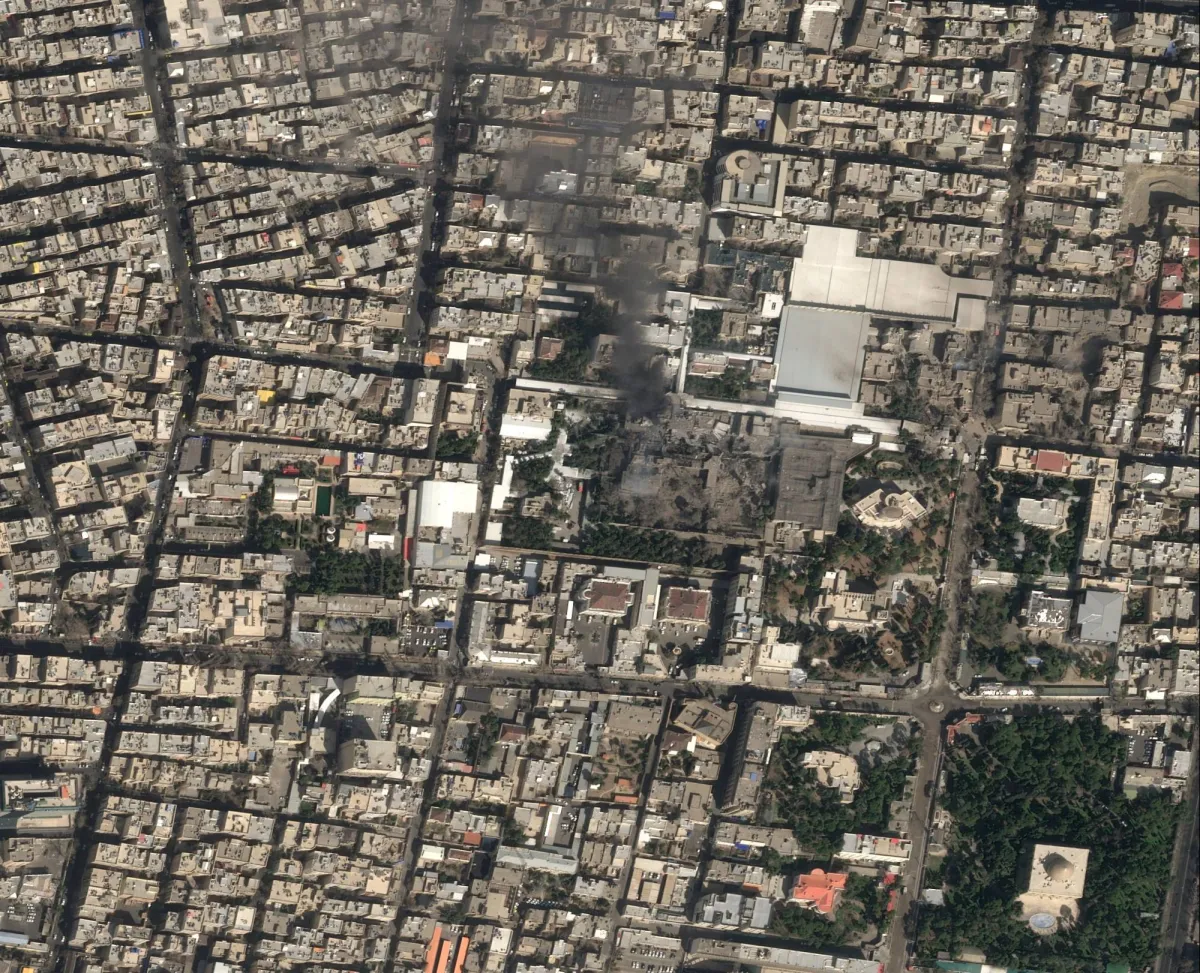
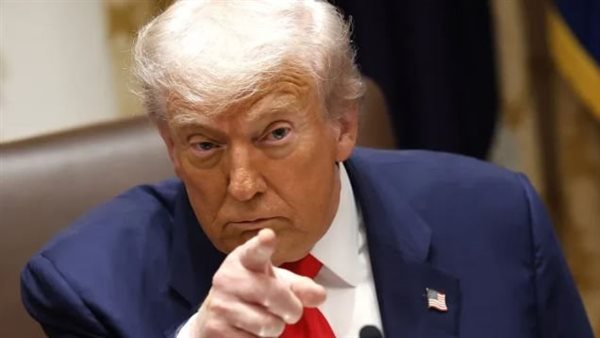
Former U.S. President Donald Trump authorized a military operation targeting high-ranking Iranian leaders, including Supreme Leader Ali Khamenei, following his dissatisfaction with nuclear negotiations, according to reports.
The order, code-named "Epic of Wrath," was issued while Trump was en route to Texas aboard Air Force One, just hours after he publicly expressed his discontent with the state of indirect talks with Iran.
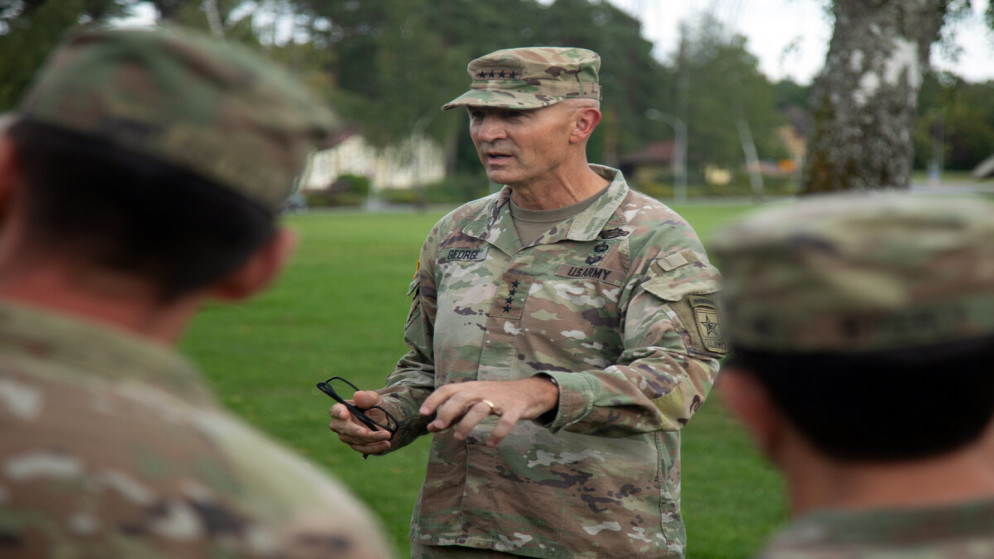
The operation involved thousands of U.S. military personnel across land, air, sea, and cyber domains, executing synchronized and multi-layered effects designed to disrupt, degrade, deny, and destroy Iran's ability to conduct and sustain combat operations against the United States, according to a press briefing by Joint Chiefs of Staff Chairman Gen. Dan Keane.
The strike package included hundreds of advanced fourth and fifth-generation fighter jets, dozens of refueling aircraft, and the carrier strike groups of the USS Lincoln and USS Ford.
The timeline of events began on Feb. 27 when Trump departed the White House for Texas, telling reporters he was "not happy" with the progress of negotiations with Iran. When asked if he had made a final decision on the next step, he replied, "No, I have not."
While traveling to Texas, Trump posted several messages on his social media platform, including a directive to halt the U.S. government's use of artificial intelligence technology from a specific company, following a public dispute between the company and the Pentagon over AI-related safeguards.
Upon arriving in Texas, Trump reiterated to reporters that he was "not happy" with the course of negotiations but did not mention the approved operation.
The operation commenced early the next morning, with U.S. forces executing a series of coordinated strikes across multiple domains, according to Gen. Keane.
Following the strikes, explosions were reported in Tehran, and Israel's defense minister declared a state of emergency. An Israeli military official said that three strikes targeted three locations within a minute, resulting in the death of Khamenei and approximately 40 other high-profile figures, including the commander of the Islamic Revolutionary Guard Corps (IRGC) and the Iranian defense minister.
Trump later announced Khamenei's death on social media, stating that the Supreme Leader "could not evade our highly sophisticated intelligence and tracking systems."
In the days following the initial strikes, Trump claimed that U.S. forces had destroyed and sunk several Iranian naval vessels and largely destroyed the country's naval command headquarters.
He also stated that the U.S. military and its partners had struck hundreds of targets in Iran, including IRGC facilities and air defense systems, all within a matter of minutes, and that the strikes would continue until all objectives were met.
Despite the ongoing military action, administration officials informed congressional staff that U.S. intelligence did not indicate that Iran was preparing to launch a preemptive strike against the United States.
A senior White House official suggested that the "likely new Iranian leadership" had expressed openness to talks with Washington, and Trump indicated that the offensive could last for several weeks.
Defense Secretary Pete Hegseth clarified that the U.S. was not engaged in "nation-building" in Iran and that the ongoing strikes would not be a prelude to a long-term conflict.
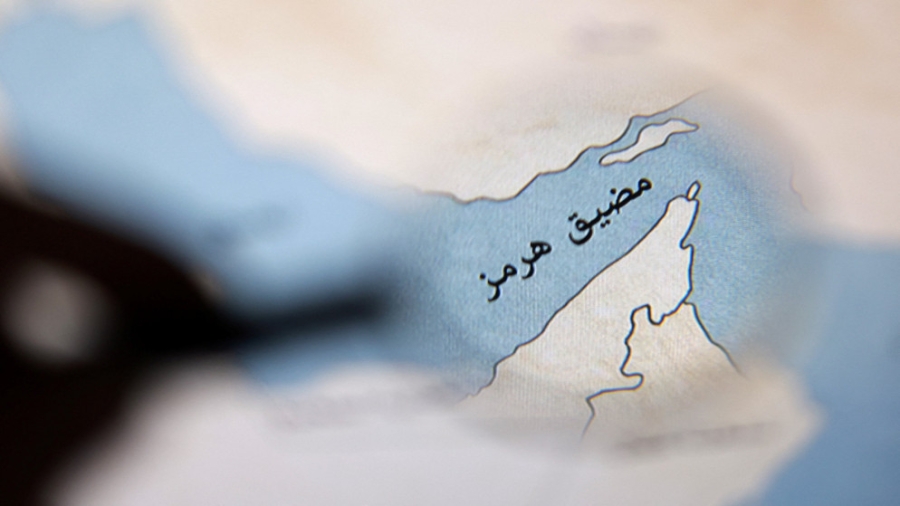
The military action sent shockwaves through global markets, with oil prices surging amid concerns about supply disruptions from the Persian Gulf. The price of U.S. oil rose, and maritime traffic data indicated a significant decline in vessel transit through the Strait of Hormuz.
Global stock markets also reacted negatively, with U.S. futures and European and Asian markets all experiencing declines.