 Milan-Cortina 2026 Olympic Winter Games: freestyle skiing women's freeski slopestyle qualification
Orange Jordan Sponsors Al Hussein Technical University’s "Leadathon"
The CEO of Orange Jordan Visits Yarmouk University President to Strengthen the Strategic Partnership
*Orange Jordan Showcases Fabrication Lab Innovations at the Makers’ Forum
3 Winners at Orange Summer Challenge 2024 Join the “Social Innovation” Journey Fostering "Tech4Impact”
Estarta Named Cisco Systems' Distinguished Supplier of the Year 2024
Milan-Cortina 2026 Olympic Winter Games: freestyle skiing women's freeski slopestyle qualification
Orange Jordan Sponsors Al Hussein Technical University’s "Leadathon"
The CEO of Orange Jordan Visits Yarmouk University President to Strengthen the Strategic Partnership
*Orange Jordan Showcases Fabrication Lab Innovations at the Makers’ Forum
3 Winners at Orange Summer Challenge 2024 Join the “Social Innovation” Journey Fostering "Tech4Impact”
Estarta Named Cisco Systems' Distinguished Supplier of the Year 2024
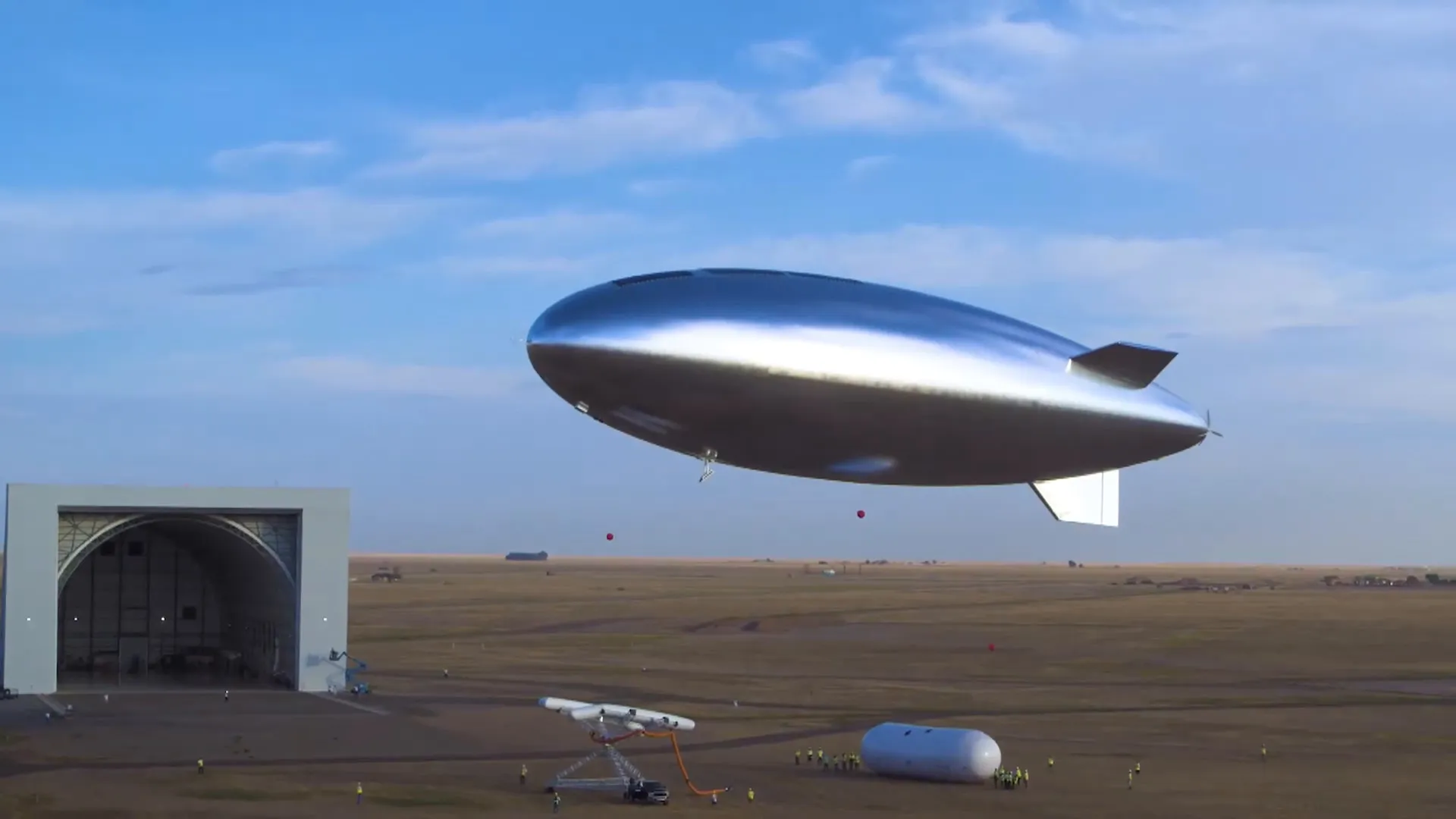
A new technological race is intensifying in the stratosphere, as companies explore alternatives to satellite-based internet services like Starlink.
High-altitude platform stations (HAPS), including solar-powered drones and airships, are being developed to operate in the stratosphere, at altitudes between 18 and 25 kilometers above the Earth.
These platforms act as floating cell towers, offering several advantages over satellites, including lower latency due to their proximity to the ground. This is crucial for applications like interactive gaming, remote surgery, and instant cloud services.
Furthermore, HAPS do not require complex rockets for deployment and can be easily repositioned or maintained, offering greater operational flexibility compared to satellites.
These platforms can bridge the digital divide in remote areas where terrestrial towers and satellites struggle to provide reliable service.
In disaster scenarios, stratospheric platforms can act as immediate rescue networks, reconnecting affected populations within hours, a response time unmatched by other communication systems.
However, the technology faces challenges. Reliance on solar power limits operations at night or in harsh weather conditions.
Global coverage would require deploying large fleets of these units, raising questions about economic costs and long-term operational sustainability.
Experts suggest these systems will complement, rather than compete with, services like Starlink, forming a multi-layered hybrid communication model. Terrestrial networks would serve dense urban areas, stratospheric platforms would provide high-quality regional coverage, and satellites would ensure connectivity in the most remote locations.
As demand for cloud services and AI applications surges, the atmosphere is becoming a battleground for technological and economic dominance. The question is shifting from how to access the internet to who controls the layers that transmit it.