 Milan-Cortina 2026 Olympic Winter Games: freestyle skiing women's freeski slopestyle qualification
Orange Jordan Sponsors Al Hussein Technical University’s "Leadathon"
The CEO of Orange Jordan Visits Yarmouk University President to Strengthen the Strategic Partnership
*Orange Jordan Showcases Fabrication Lab Innovations at the Makers’ Forum
3 Winners at Orange Summer Challenge 2024 Join the “Social Innovation” Journey Fostering "Tech4Impact”
Estarta Named Cisco Systems' Distinguished Supplier of the Year 2024
Milan-Cortina 2026 Olympic Winter Games: freestyle skiing women's freeski slopestyle qualification
Orange Jordan Sponsors Al Hussein Technical University’s "Leadathon"
The CEO of Orange Jordan Visits Yarmouk University President to Strengthen the Strategic Partnership
*Orange Jordan Showcases Fabrication Lab Innovations at the Makers’ Forum
3 Winners at Orange Summer Challenge 2024 Join the “Social Innovation” Journey Fostering "Tech4Impact”
Estarta Named Cisco Systems' Distinguished Supplier of the Year 2024
As the month of Ramadan approaches, dietary adjustments can significantly impact digestive health. Experts recommend focusing on foods that provide nourishment, hydration, and energy while supporting digestion and minimizing discomfort during fasting.
Maintaining a healthy gut is crucial for overall well-being, influencing everything from immunity to mental health and disease prevention. A balanced diet, regular exercise, and stress management are key components of gut health, according to gastroenterologist Stephen B. Hanauer.
Fermented pickles, surprisingly beneficial, support beneficial gut bacteria when fermented without vinegar. Dr. Mary-Alice O’Riordan from Stanford University notes their high concentration of vitamins, minerals, and probiotics, enhancing gut health and immunity. However, moderation is key due to their high sodium content.
Greek yogurt, rich in probiotics and protein, aids digestion and promotes satiety. Studies suggest it may also reduce the risk of colon cancer. A recent study suggests long term yogurt consumption may help prevent colon cancer.
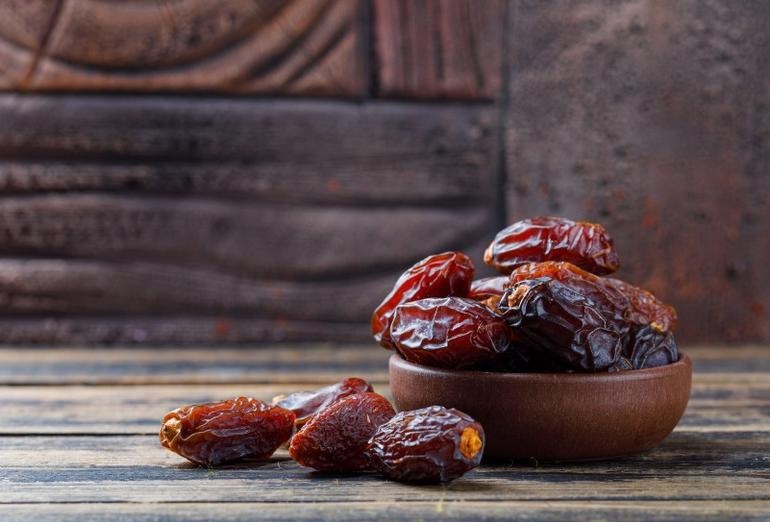
Dates, often recommended for gut health, are rich in antioxidants and fiber, aiding in blood sugar regulation and digestion. Two Medjool dates provide fiber, carbohydrates, and essential minerals like potassium and copper. However, excessive consumption may lead to digestive discomfort.
Watermelon and lemon juice combine hydration with digestive enzymes, offering a refreshing and nutritious beverage. This mix provides vitamins, antioxidants, and compounds beneficial for overall health. A squeeze of lemon on watermelon enhances the flavor and nutritional value.
Berries, particularly red and black varieties, are high in fiber, aiding digestion and weight management. Research indicates that berries can lower bad cholesterol, reduce blood fat damage, control blood sugar, and combat cell damage. They also contribute to brain health, reduce inflammation, and promote healthy skin.