 Milan-Cortina 2026 Olympic Winter Games: freestyle skiing women's freeski slopestyle qualification
Orange Jordan Sponsors Al Hussein Technical University’s "Leadathon"
The CEO of Orange Jordan Visits Yarmouk University President to Strengthen the Strategic Partnership
*Orange Jordan Showcases Fabrication Lab Innovations at the Makers’ Forum
3 Winners at Orange Summer Challenge 2024 Join the “Social Innovation” Journey Fostering "Tech4Impact”
Estarta Named Cisco Systems' Distinguished Supplier of the Year 2024
Milan-Cortina 2026 Olympic Winter Games: freestyle skiing women's freeski slopestyle qualification
Orange Jordan Sponsors Al Hussein Technical University’s "Leadathon"
The CEO of Orange Jordan Visits Yarmouk University President to Strengthen the Strategic Partnership
*Orange Jordan Showcases Fabrication Lab Innovations at the Makers’ Forum
3 Winners at Orange Summer Challenge 2024 Join the “Social Innovation” Journey Fostering "Tech4Impact”
Estarta Named Cisco Systems' Distinguished Supplier of the Year 2024
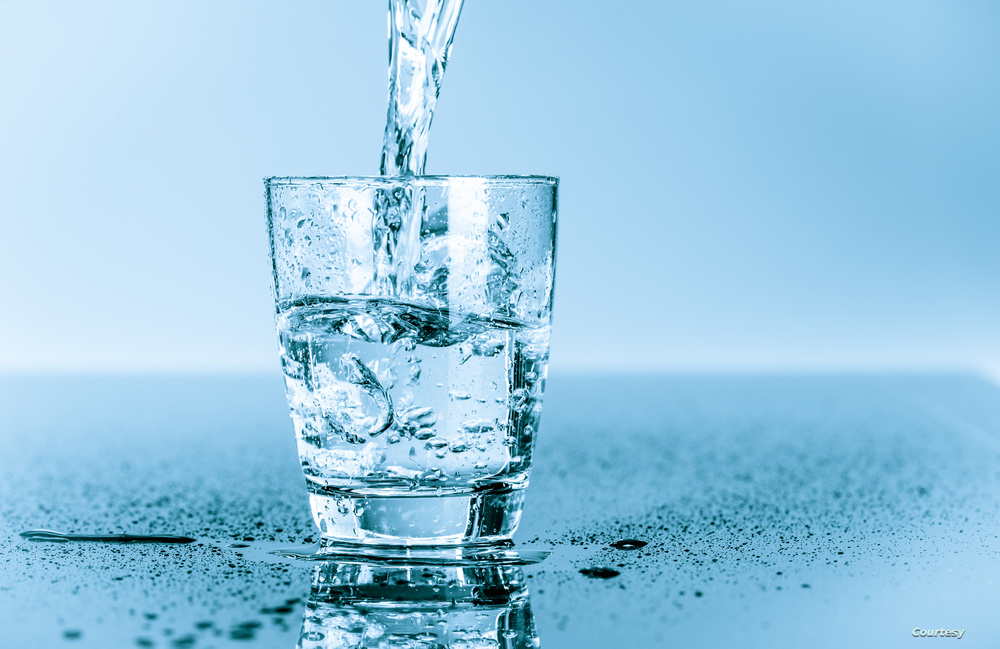
Many observing Ramadan find the days of fasting manageable, but thirst remains a significant challenge, particularly during hotter periods.
Contrary to the popular belief of 'water storage' in the body during fasting, scientific evidence suggests otherwise. Drinking excessive amounts of water at once isn't an effective hydration strategy and can even be detrimental.
According to a medical review featured on StatPearls regarding water balance physiology, rapidly consuming large volumes of water doesn't truly hydrate the body. Instead, it forces the kidneys to work harder to eliminate the excess through urine, potentially increasing thirst the following day and straining the renal system.
The MSD Manual indicates that drinking too much water quickly can lead to hyponatremia, a condition characterized by low sodium levels in the blood. This occurs when the amount of water consumed exceeds the body's capacity to maintain the salt concentration in the blood, prompting it to expel excess water as a defense mechanism. This can be especially dangerous for individuals with heart or kidney conditions.
The solution involves drinking water slowly and consistently between Iftar (breaking of the fast) and Suhoor (pre-dawn meal), rather than consuming large quantities at once.
Studies suggest that the body can only absorb approximately 250 ml of water per hour, making gradual intake more effective than rapid consumption.
Enhancing hydration can be achieved by consuming water-rich foods high in fiber, such as cucumbers, watermelon, lettuce, and light salads during Suhoor. These foods release fluids gradually, contributing to longer-lasting hydration throughout the fasting hours.
Even water, essential for life, can be harmful if consumed in excess, particularly for those with specific health conditions or taking medications that affect fluid balance.
Therefore, regulating water intake is crucial, avoiding the consumption of large quantities that are quickly eliminated, leaving you feeling even more dehydrated.
Adopting a mindful and slow approach to drinking water is advisable to ensure smart hydration rather than a sudden overload.