
 Milan-Cortina 2026 Olympic Winter Games: freestyle skiing women's freeski slopestyle qualification
Orange Jordan Sponsors Al Hussein Technical University’s "Leadathon"
The CEO of Orange Jordan Visits Yarmouk University President to Strengthen the Strategic Partnership
*Orange Jordan Showcases Fabrication Lab Innovations at the Makers’ Forum
3 Winners at Orange Summer Challenge 2024 Join the “Social Innovation” Journey Fostering "Tech4Impact”
Estarta Named Cisco Systems' Distinguished Supplier of the Year 2024
Milan-Cortina 2026 Olympic Winter Games: freestyle skiing women's freeski slopestyle qualification
Orange Jordan Sponsors Al Hussein Technical University’s "Leadathon"
The CEO of Orange Jordan Visits Yarmouk University President to Strengthen the Strategic Partnership
*Orange Jordan Showcases Fabrication Lab Innovations at the Makers’ Forum
3 Winners at Orange Summer Challenge 2024 Join the “Social Innovation” Journey Fostering "Tech4Impact”
Estarta Named Cisco Systems' Distinguished Supplier of the Year 2024
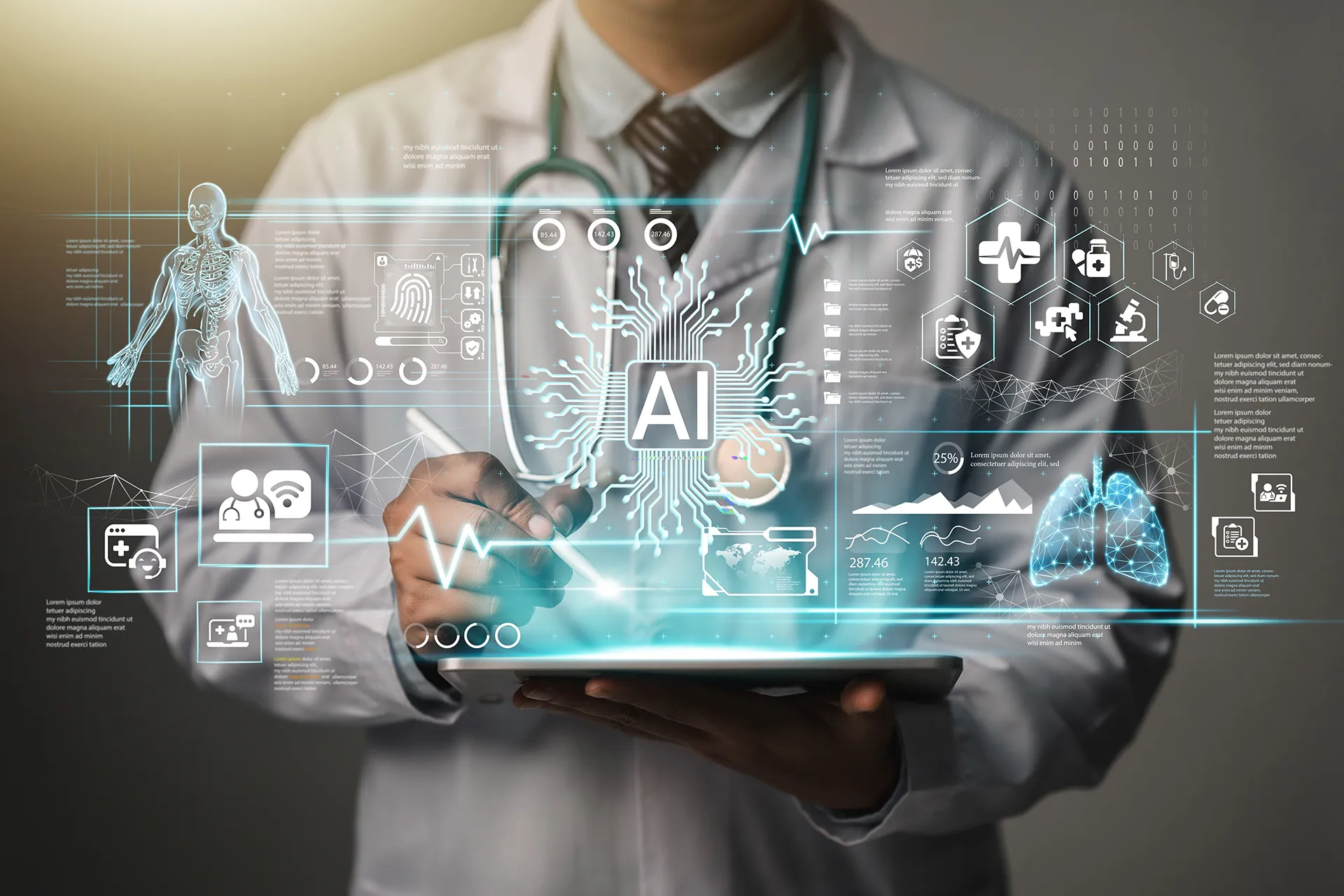
A Chinese research team has unveiled a new artificial intelligence (AI) technology called "DeepRare" designed to expedite and refine the diagnosis of complex rare diseases, potentially revolutionizing patient care.
The system, detailed in a report published by the scientific journal *Nature*, has demonstrated superior accuracy in identifying genetic and rare diseases compared to existing global tools and human experts.
According to the Xinhua News Agency, DeepRare significantly surpasses the performance of the globally recognized Exomiser tool, achieving a diagnostic accuracy of 79.1% when combining clinical data with genetic testing. Exomiser, in comparison, achieved an accuracy rate of 53.3% in the same comparative tests.
Researchers from Shanghai Jiao Tong University and Xinhua Hospital collaborated on the study. The team aims to test the technology on over 20,000 real-world clinical cases this year through the newly established Global Alliance for AI Diagnosis of Rare Diseases.
Technically, the researchers explained that the system relies on an "Agentic AI" architecture. Unlike traditional systems, "DeepRare" simulates the logical reasoning of doctors by formulating medical hypotheses based on patient symptoms, autonomously searching vast genetic databases and medical literature to validate these hypotheses, and providing a "traceable reasoning" report explaining the scientific rationale behind each diagnosis, addressing the "black box" problem in AI.
Professor Sun Kun, a project leader, noted that the system demonstrated high efficiency even in the absence of genetic data, achieving an accuracy of 57%, offering a lifeline to regions lacking advanced gene sequencing technologies, according to Medical Xpress.
This initiative seeks to shorten the often agonizing diagnostic journey for patients with rare conditions, who typically endure years of waiting before receiving an accurate diagnosis.