
 Milan-Cortina 2026 Olympic Winter Games: freestyle skiing women's freeski slopestyle qualification
Orange Jordan Sponsors Al Hussein Technical University’s "Leadathon"
The CEO of Orange Jordan Visits Yarmouk University President to Strengthen the Strategic Partnership
*Orange Jordan Showcases Fabrication Lab Innovations at the Makers’ Forum
3 Winners at Orange Summer Challenge 2024 Join the “Social Innovation” Journey Fostering "Tech4Impact”
Estarta Named Cisco Systems' Distinguished Supplier of the Year 2024
Milan-Cortina 2026 Olympic Winter Games: freestyle skiing women's freeski slopestyle qualification
Orange Jordan Sponsors Al Hussein Technical University’s "Leadathon"
The CEO of Orange Jordan Visits Yarmouk University President to Strengthen the Strategic Partnership
*Orange Jordan Showcases Fabrication Lab Innovations at the Makers’ Forum
3 Winners at Orange Summer Challenge 2024 Join the “Social Innovation” Journey Fostering "Tech4Impact”
Estarta Named Cisco Systems' Distinguished Supplier of the Year 2024
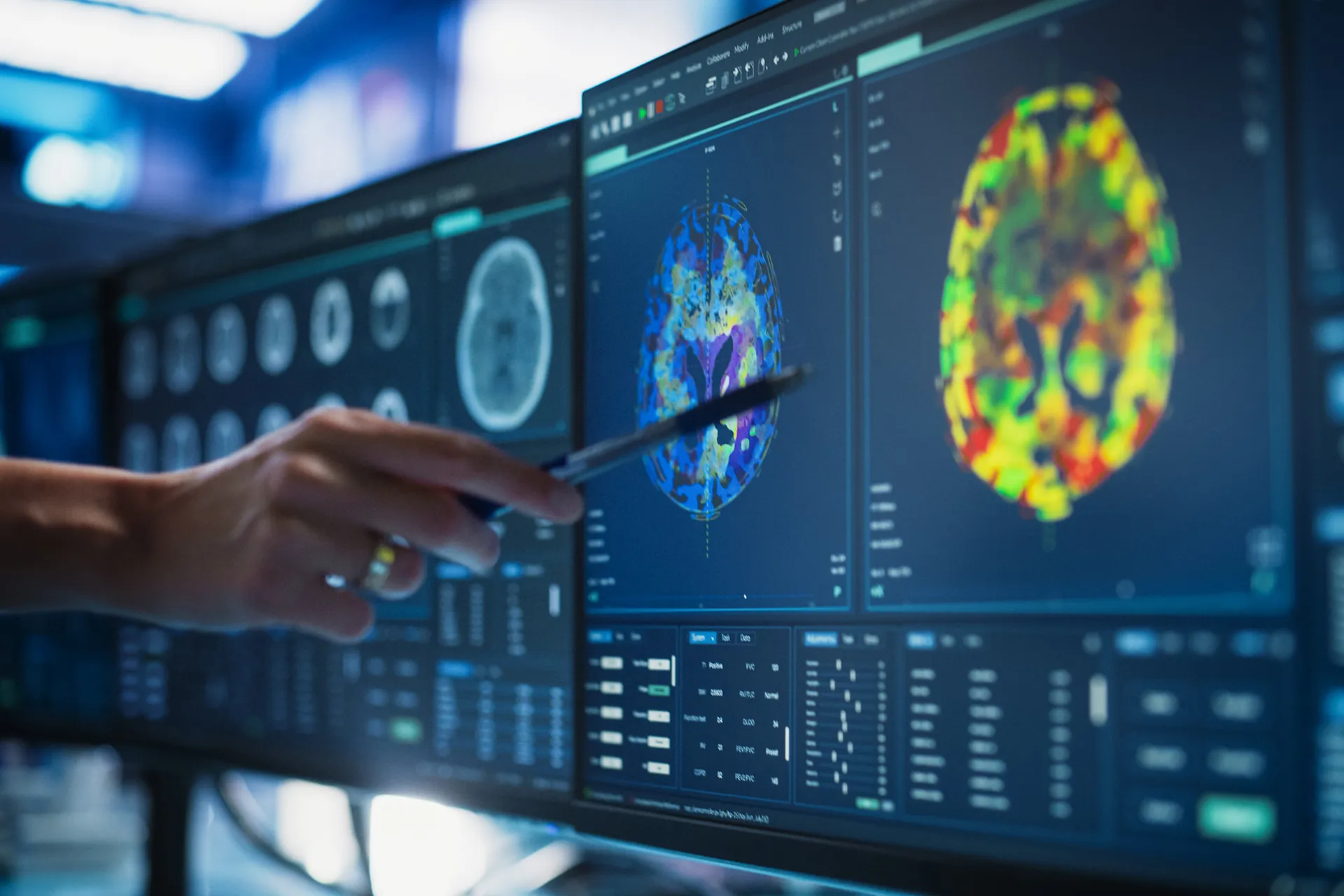
An international team, spearheaded by researchers at St. Jude Children's Research Hospital in the United States, has developed an innovative artificial intelligence (AI) algorithm called M-PACT that can diagnose and classify brain tumors in children with up to 92% accuracy by analyzing samples of spinal fluid, potentially eliminating the need for invasive surgical biopsies.
The AI analyzes tumor DNA found in cerebrospinal fluid to identify molecular patterns. This allows for precise tumor identification and monitoring of treatment response and potential recurrence, all through a “liquid biopsy.”
Traditional brain tumor diagnosis relies on surgical biopsies, which carry significant risks, especially for children. The new algorithm offers a less invasive alternative.
The researchers trained and tested the model on hundreds of samples from pediatric patients, demonstrating its ability to differentiate between various types of central nervous system tumors and distinguish between tumor recurrence and new tumor formation.
According to Dr. Paul Northcott, director of the Center of Excellence in Neuro-Oncology (CENOS) and a member of the Department of Developmental Neurobiology, M-PACT represents a new generation of analysis and computational framework, improved and applied to a broad range of pediatric brain tumor patients. He envisions M-PACT elevating liquid biopsy to a new level in pediatric neuro-oncology and being applied in various clinical scenarios.
The algorithm was developed in collaboration with researchers from several international institutions, including the German Cancer Research Center and the Hopp Children’s Cancer Center Heidelberg, as part of a scientific effort to develop more accurate and less harmful diagnostic tools for children.
The study's authors believe this technology could transform pediatric oncology, paving the way for precision medicine based on the molecular characteristics of tumors and enabling continuous monitoring of the disease during and after treatment, without subjecting patients to painful or complex procedures.
Researchers hope that these findings will lead to clinical adoption of this tool in the near future, pending completion of the necessary clinical trials.