
 Milan-Cortina 2026 Olympic Winter Games: freestyle skiing women's freeski slopestyle qualification
Orange Jordan Sponsors Al Hussein Technical University’s "Leadathon"
The CEO of Orange Jordan Visits Yarmouk University President to Strengthen the Strategic Partnership
*Orange Jordan Showcases Fabrication Lab Innovations at the Makers’ Forum
3 Winners at Orange Summer Challenge 2024 Join the “Social Innovation” Journey Fostering "Tech4Impact”
Estarta Named Cisco Systems' Distinguished Supplier of the Year 2024
Milan-Cortina 2026 Olympic Winter Games: freestyle skiing women's freeski slopestyle qualification
Orange Jordan Sponsors Al Hussein Technical University’s "Leadathon"
The CEO of Orange Jordan Visits Yarmouk University President to Strengthen the Strategic Partnership
*Orange Jordan Showcases Fabrication Lab Innovations at the Makers’ Forum
3 Winners at Orange Summer Challenge 2024 Join the “Social Innovation” Journey Fostering "Tech4Impact”
Estarta Named Cisco Systems' Distinguished Supplier of the Year 2024
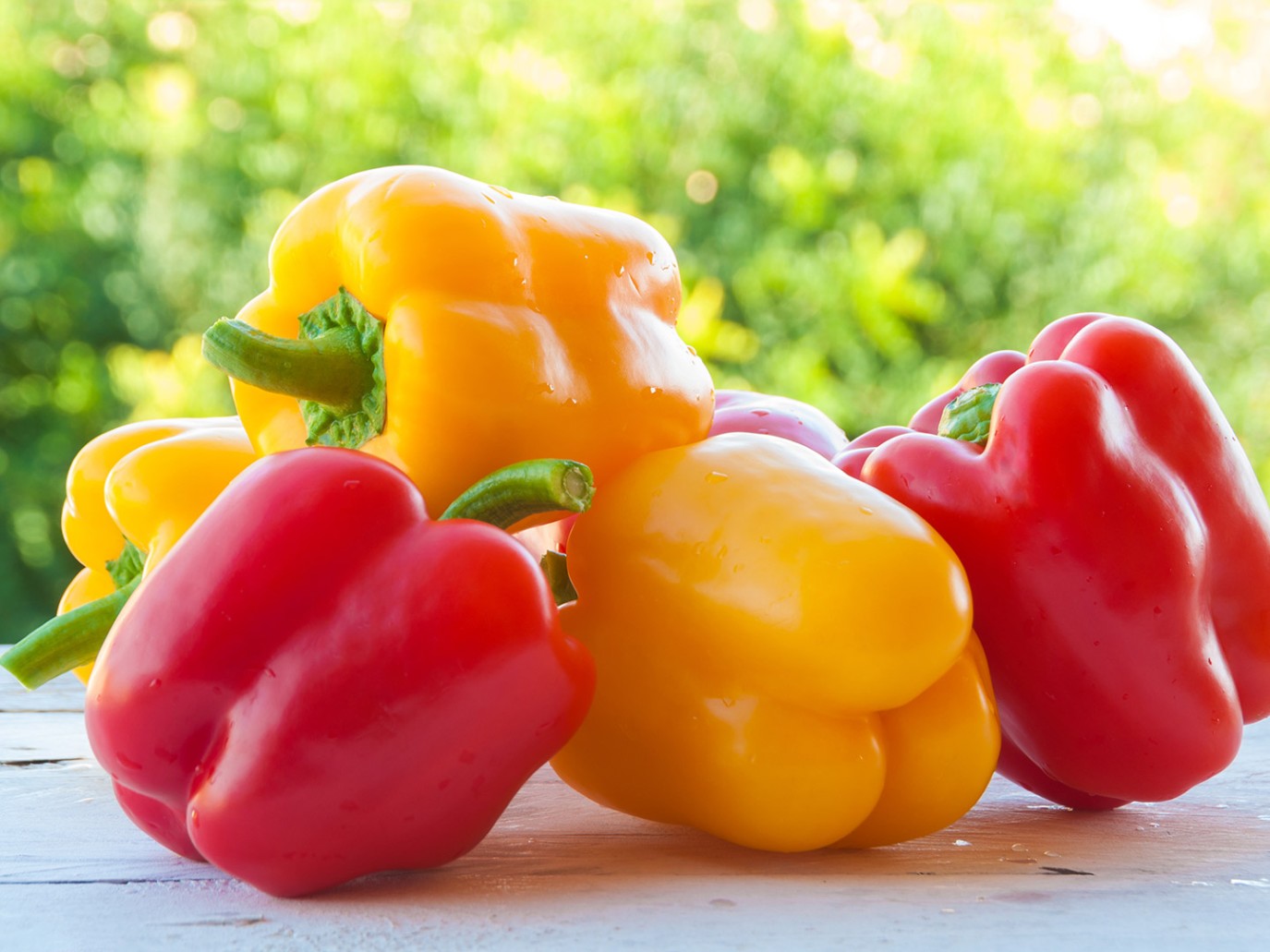
Colorful bell peppers, packed with essential nutrients, offer a range of health benefits, from boosting immunity to potentially reducing the risk of chronic diseases.
These vibrant vegetables are excellent sources of vitamins, antioxidants, and dietary fiber, making them a valuable addition to any diet. They contain Vitamin C, B6, K1, A and more.
Bell peppers, scientifically known as Capsicum annuum, are low in calories and rich in vitamin C and other antioxidants, making them an excellent choice for a healthy diet.
These peppers are primarily water (92%) and the rest is carbohydrates, protein and fats.
The carbohydrates make up most of the calories. The peppers also provide a good amount of fiber compared to other low-calorie foods.
Bell peppers contain a variety of vitamins and minerals, including vitamin C, vitamin B6, vitamin K1, potassium, folic acid, vitamin E and vitamin A.
Bell peppers are also rich in antioxidants, especially carotenoids, which are abundant in mature fruits. These include capsanthin, violaxanthin, lutein, quercetin, and lutolin.
Consuming adequate amounts of lutein may improve eye health, while quercetin, a polyphenol antioxidant, may be beneficial in preventing chronic diseases such as heart disease and cancer.
Bell peppers, like most whole plant foods, are nutrient-rich and linked to a reduced risk of chronic diseases such as cancer and heart disease. Regular consumption of bell peppers as part of a nutrient-rich diet may contribute to eye health.
Lutein and zeaxanthin, found in relatively high amounts in bell peppers, may improve eye health by protecting the retina from oxidative damage.
Vitamin C, abundant in bell peppers, supports the immune system and may play a protective role in cardiovascular health, cancer prevention, and the prevention of common colds.
Vitamin A, present in the form of beta-carotene in orange and red bell peppers, is essential for vision and cell communication.
Bell peppers are also a good source of vitamin B6, which supports the central nervous system and metabolic processes.
Folic acid, also known as vitamin B9, helps convert carbohydrates into energy and is essential for normal cell growth and development.
Additionally, bell peppers contain vitamin E, which supports the immune system and maintains healthy blood vessels.
The fiber content in bell peppers promotes gut health and supports regular bowel movements and lowers levels of bad cholesterol.
Individuals should consult with a healthcare professional before making significant dietary changes or using bell peppers for medicinal purposes.