 Milan-Cortina 2026 Olympic Winter Games: freestyle skiing women's freeski slopestyle qualification
Orange Jordan Sponsors Al Hussein Technical University’s "Leadathon"
The CEO of Orange Jordan Visits Yarmouk University President to Strengthen the Strategic Partnership
*Orange Jordan Showcases Fabrication Lab Innovations at the Makers’ Forum
3 Winners at Orange Summer Challenge 2024 Join the “Social Innovation” Journey Fostering "Tech4Impact”
Estarta Named Cisco Systems' Distinguished Supplier of the Year 2024
Milan-Cortina 2026 Olympic Winter Games: freestyle skiing women's freeski slopestyle qualification
Orange Jordan Sponsors Al Hussein Technical University’s "Leadathon"
The CEO of Orange Jordan Visits Yarmouk University President to Strengthen the Strategic Partnership
*Orange Jordan Showcases Fabrication Lab Innovations at the Makers’ Forum
3 Winners at Orange Summer Challenge 2024 Join the “Social Innovation” Journey Fostering "Tech4Impact”
Estarta Named Cisco Systems' Distinguished Supplier of the Year 2024
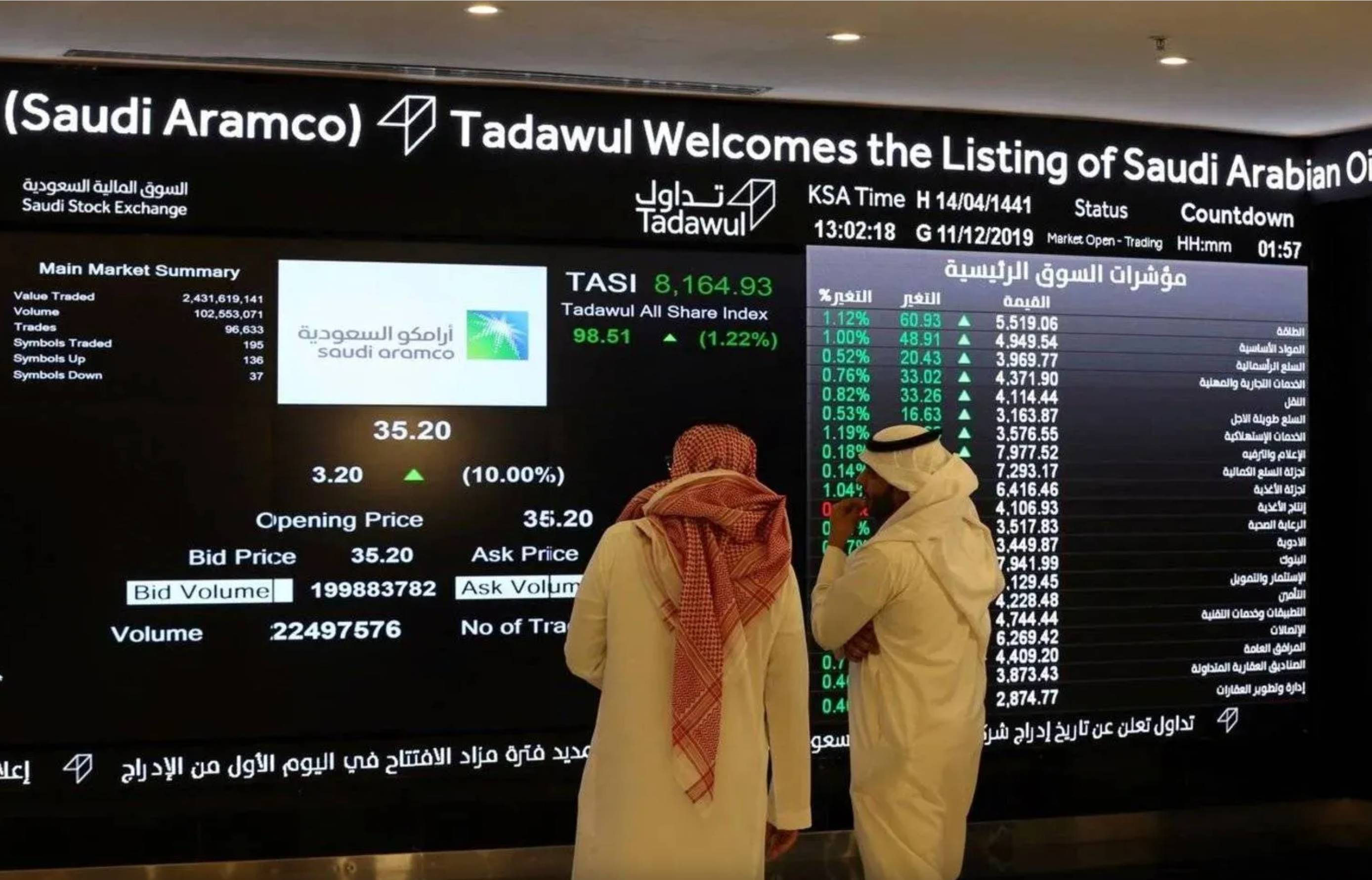
Saudi Arabia's investments in U.S. stock markets have more than doubled, reaching approximately 254 billion riyals ($67.7 billion) in the fourth quarter of 2025, according to data from the Saudi Financial Market Authority. This surge coincides with a notable decline in activity within the Saudi stock market itself.
The significant increase in Saudi financial institutions' trading in U.S. equities, nearly all of which occurred outside the Kingdom during the fourth quarter, highlights a growing divergence in investment strategies.
Conversely, the total domestic trading volume in Saudi Arabia decreased from over 1.1 trillion riyals ($293.3 billion) at the beginning of 2024 to about 574 billion riyals ($153.1 billion) by the end of 2025.
Bloomberg attributes this disparity to the contrasting performance of the two markets. The Saudi stock market index fell by 9% in the fourth quarter, bringing its total annual decline to 13%, influenced by fluctuating oil prices, financial pressures, and regional tensions.
In contrast, U.S. markets continued their upward trajectory, with the S&P 500 index gaining over 16% during the year, driven by technology stocks and investor enthusiasm for artificial intelligence applications.
Data from the Saudi Financial Market Authority illustrates a widening gap between local and U.S.-bound trading activities throughout 2024 and 2025, peaking in the first quarter of 2024 before domestic liquidity gradually decreased.
Saudi regulators have been actively working to attract foreign capital to the local stock market by opening it to a broader range of international investors and considering amendments to allow majority foreign ownership in listed companies.
These regulatory efforts also include encouraging companies to allocate larger portions of initial public offerings (IPOs) to individual investors to boost local participation. However, some banks have raised concerns that such allocations may force shares onto a segment with fluctuating demand and limit allocations to foreign institutions.