 Milan-Cortina 2026 Olympic Winter Games: freestyle skiing women's freeski slopestyle qualification
Orange Jordan Sponsors Al Hussein Technical University’s "Leadathon"
The CEO of Orange Jordan Visits Yarmouk University President to Strengthen the Strategic Partnership
*Orange Jordan Showcases Fabrication Lab Innovations at the Makers’ Forum
3 Winners at Orange Summer Challenge 2024 Join the “Social Innovation” Journey Fostering "Tech4Impact”
Estarta Named Cisco Systems' Distinguished Supplier of the Year 2024
Milan-Cortina 2026 Olympic Winter Games: freestyle skiing women's freeski slopestyle qualification
Orange Jordan Sponsors Al Hussein Technical University’s "Leadathon"
The CEO of Orange Jordan Visits Yarmouk University President to Strengthen the Strategic Partnership
*Orange Jordan Showcases Fabrication Lab Innovations at the Makers’ Forum
3 Winners at Orange Summer Challenge 2024 Join the “Social Innovation” Journey Fostering "Tech4Impact”
Estarta Named Cisco Systems' Distinguished Supplier of the Year 2024
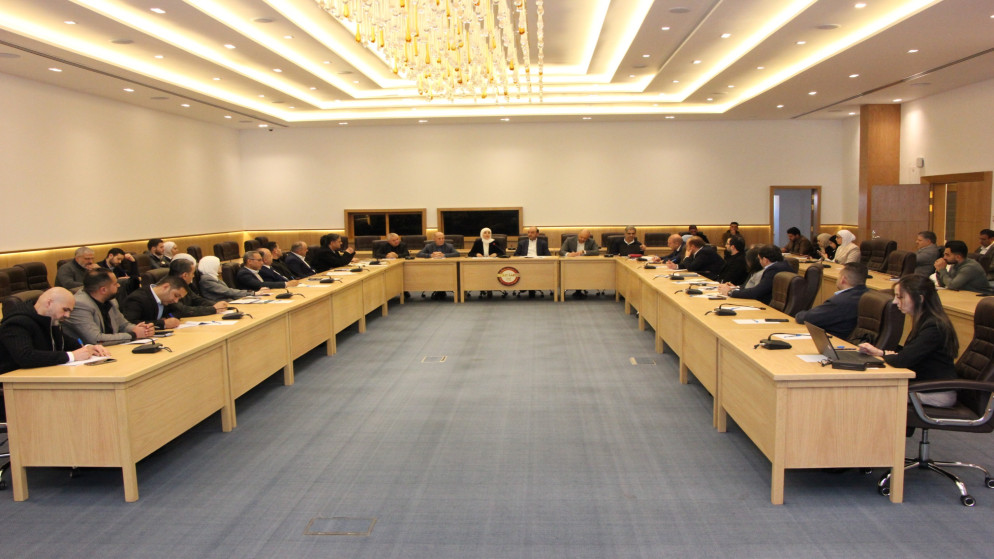
Jordan's Ministry of Industry, Trade, and Supply has concluded consultative sessions regarding the draft document for the second phase of the National Export Strategy, spanning from 2026 to 2029.
During these sessions, the ministry engaged with representatives from the industrial sector at the Jordan Chamber of Industry on February 23, 2026, and subsequently with representatives from the service sectors on February 24, 2026, to discuss targeted sectors and proposed markets within the strategy.
The discussions involved a review of the features of the second phase of the strategy, building upon the achievements of the first phase (2023–2025), which saw over 85% of planned activities completed through support programs and the allocation of 5 million Jordanian dinars to support 152 small and medium enterprises in conducting market research and implementing export plans.
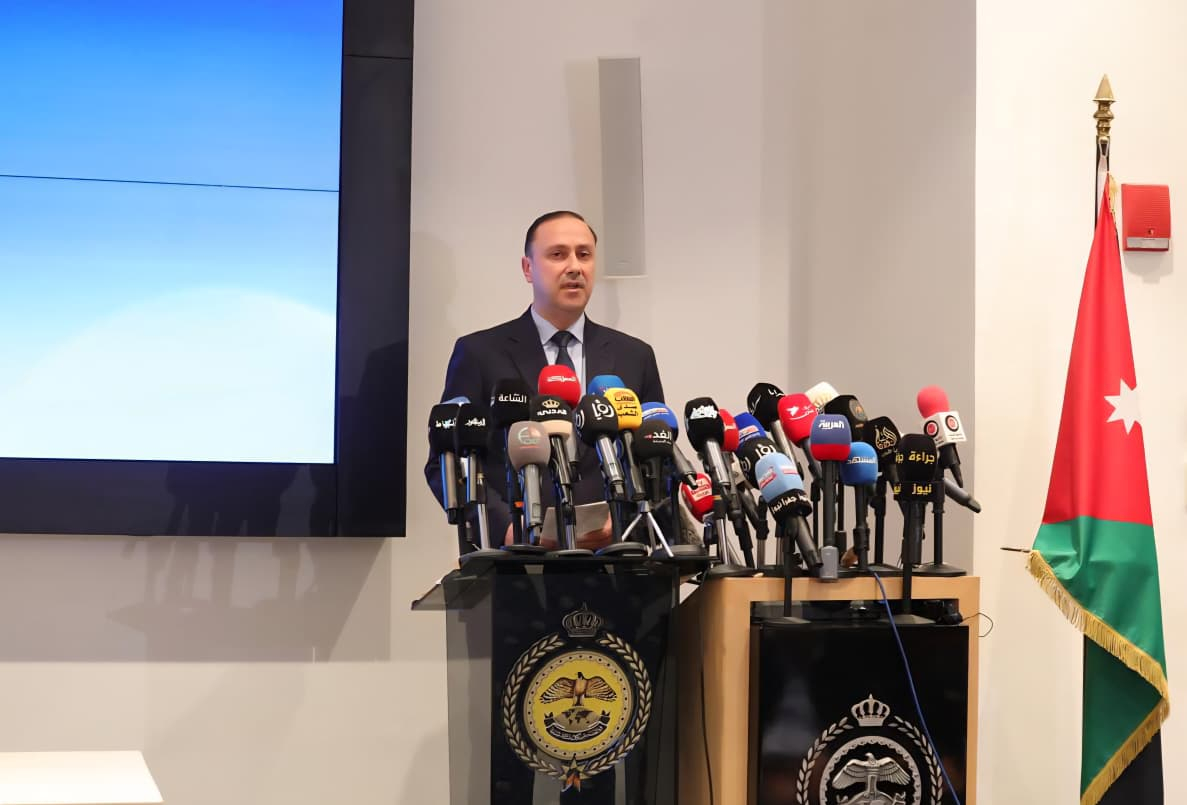
Dana Al-Zoubi, Secretary-General of the Ministry, emphasized that the upcoming phase represents a new and ambitious milestone for the national economy, highlighting the Jordanian export sectors' capacity for growth and compliance with international standards.
Al-Zoubi noted that the first phase included the provision of approximately 6 million dinars through the export promotion program, benefiting 137 companies and contributing to a more than 40% increase in exports for the beneficiary companies.
Furthermore, export strategy activities contributed to a rise in Jordanian exports last year, exceeding 9% compared to the previous year.
The second phase of the strategy aims to build upon the accomplishments of the first, focusing on enhancing the competitiveness of Jordanian products globally, diversifying markets and products, and expanding into promising markets in Africa, the European Union, the Eurasian Union, and North America.
A key focus involves transitioning towards higher value-added exports, moving beyond traditional industries, and promoting service exports, particularly in information technology, engineering, consulting, and creative industries, alongside supporting digital export models and remote work.
The strategy also prioritizes aligning national exports with the requirements of the digital and green economy, as well as environmental, social, and governance standards.
The core objective of the 2026–2029 strategy is not solely to increase export volumes but to redirect them towards carefully studied markets, employing a scientific methodology that categorizes markets into two levels: strengthening market share in traditional markets and diversifying into new destinations.
Al-Zoubi concluded by emphasizing that the success of the strategy hinges on genuine partnership between the public and private sectors, as well as the pivotal role of national institutions, including the Jordan Enterprise Development Corporation (JEDCO) and chambers of industry and commerce, while underscoring a commitment to quarterly evaluations and proactive obstacle management to ensure the achievement of set goals.