
 Milan-Cortina 2026 Olympic Winter Games: freestyle skiing women's freeski slopestyle qualification
Orange Jordan Sponsors Al Hussein Technical University’s "Leadathon"
The CEO of Orange Jordan Visits Yarmouk University President to Strengthen the Strategic Partnership
*Orange Jordan Showcases Fabrication Lab Innovations at the Makers’ Forum
3 Winners at Orange Summer Challenge 2024 Join the “Social Innovation” Journey Fostering "Tech4Impact”
Estarta Named Cisco Systems' Distinguished Supplier of the Year 2024
Milan-Cortina 2026 Olympic Winter Games: freestyle skiing women's freeski slopestyle qualification
Orange Jordan Sponsors Al Hussein Technical University’s "Leadathon"
The CEO of Orange Jordan Visits Yarmouk University President to Strengthen the Strategic Partnership
*Orange Jordan Showcases Fabrication Lab Innovations at the Makers’ Forum
3 Winners at Orange Summer Challenge 2024 Join the “Social Innovation” Journey Fostering "Tech4Impact”
Estarta Named Cisco Systems' Distinguished Supplier of the Year 2024
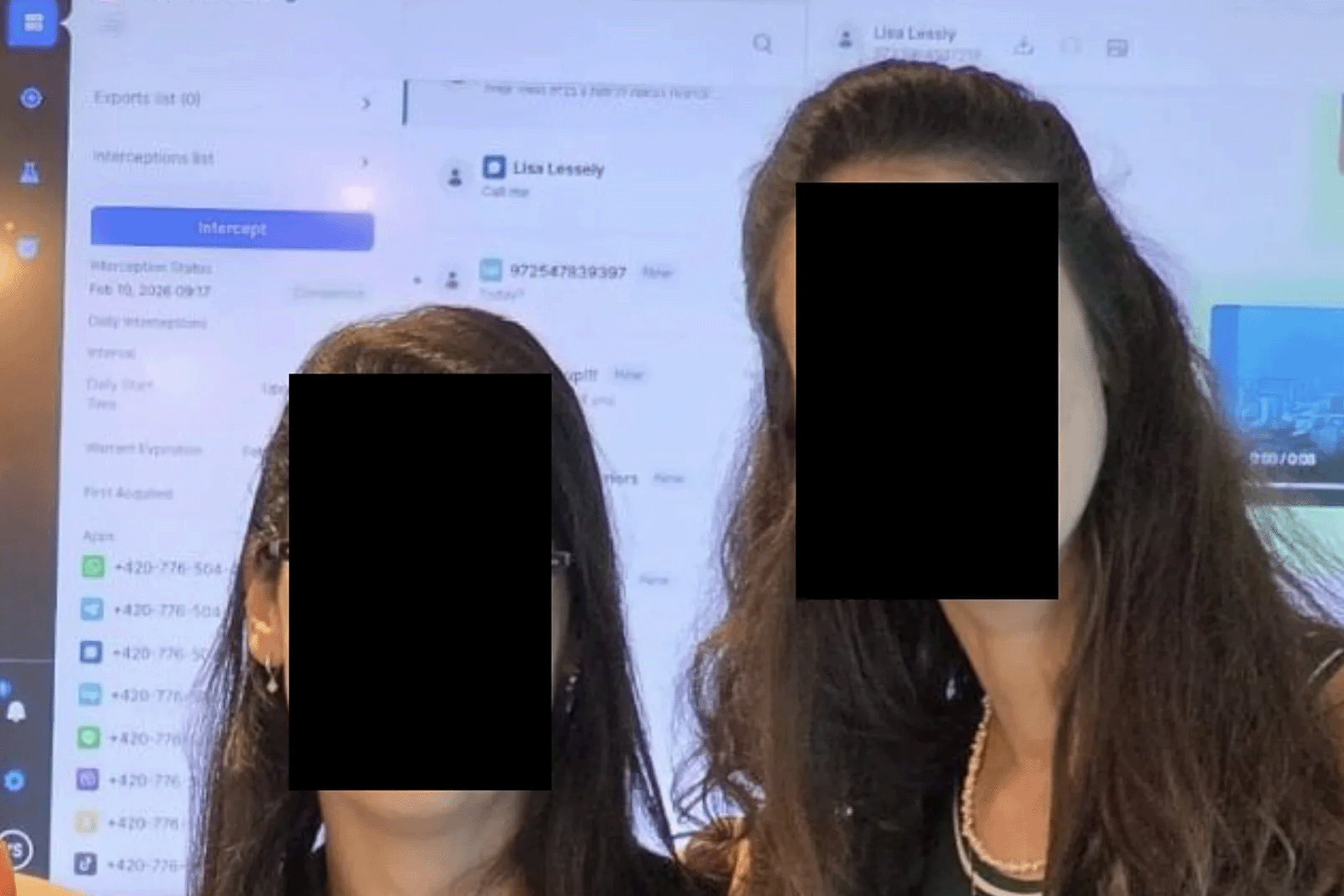
Details of an Israeli spyware program have been inadvertently exposed after a staff member at Paragon Solutions, a cyber company, mistakenly posted an image on LinkedIn revealing its internal workings, according to Israel Hayom newspaper.
The exposed image, swiftly removed after being flagged, displayed the internal dashboard of the spyware, known as “Graphite.” The dashboard contained technical data, including operation logs, a foreign phone number, and information related to encrypted messaging applications.
Cybersecurity experts have criticized the leak, pointing out that revealing the operational interface of spyware constitutes a significant security lapse, especially given the secrecy typically surrounding such tools and technologies.
Graphite is marketed to government entities and used to infiltrate smartphones, granting access to their contents, including messages and photos. It also allows for the remote activation of the device's camera and microphone without the owner's knowledge, the report said.
According to Dutch cybersecurity researcher Jor van Bergen, Paragon's legal advisor mistakenly uploaded the image to LinkedIn, leading to the exposure of the program's control panel. The company has yet to issue an official comment.
Paragon is among several companies that have emerged in recent years providing government clients with sophisticated surveillance tools.
Experts argue that these companies facilitate human rights abuses under the guise of national security.
This incident has reignited the controversy surrounding Israeli spyware, particularly NSO Group's “Pegasus” program. In 2022, Haaretz newspaper revealed a list of 178 confirmed victims from various countries, including journalists, human rights activists, and officials.
Pegasus, a well-known digital espionage tool, has been the subject of international investigations that revealed its use in hacking phones by exploiting technical vulnerabilities. The U.S. Department of Commerce added NSO Group to its blacklist due to ongoing controversy over privacy violations and the targeting of dissidents and journalists worldwide.