 Milan-Cortina 2026 Olympic Winter Games: freestyle skiing women's freeski slopestyle qualification
Orange Jordan Sponsors Al Hussein Technical University’s "Leadathon"
The CEO of Orange Jordan Visits Yarmouk University President to Strengthen the Strategic Partnership
*Orange Jordan Showcases Fabrication Lab Innovations at the Makers’ Forum
3 Winners at Orange Summer Challenge 2024 Join the “Social Innovation” Journey Fostering "Tech4Impact”
Estarta Named Cisco Systems' Distinguished Supplier of the Year 2024
Milan-Cortina 2026 Olympic Winter Games: freestyle skiing women's freeski slopestyle qualification
Orange Jordan Sponsors Al Hussein Technical University’s "Leadathon"
The CEO of Orange Jordan Visits Yarmouk University President to Strengthen the Strategic Partnership
*Orange Jordan Showcases Fabrication Lab Innovations at the Makers’ Forum
3 Winners at Orange Summer Challenge 2024 Join the “Social Innovation” Journey Fostering "Tech4Impact”
Estarta Named Cisco Systems' Distinguished Supplier of the Year 2024
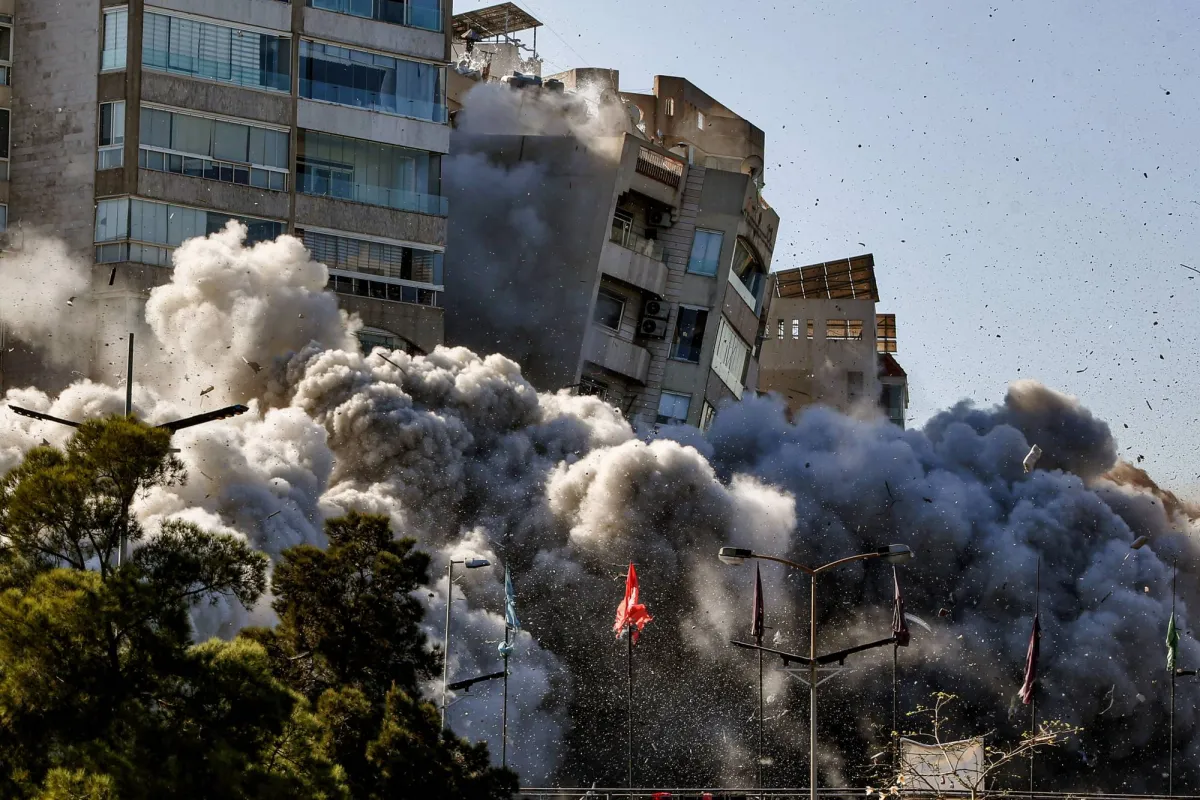
Israeli strikes in Lebanon have resulted in at least 31 fatalities and 149 injuries, according to initial reports from the Lebanese Ministry of Public Health, marking a significant escalation in cross-border hostilities.
The Israel Defense Forces (IDF) stated that the strikes targeted senior Hezbollah officials in Beirut and southern Lebanon. This action was in response to a barrage of rockets launched by Hezbollah towards Israel, prompting the IDF to strike what it described as Hezbollah targets throughout Lebanon.
Hezbollah, backed by Iran, issued a statement claiming responsibility for the rocket attacks. The group asserted that the attacks were in defense of Lebanon and its people, and a response to repeated Israeli aggressions. They said they targeted the Mishmar HaCarmel site in northern Israel with rockets and drones.
Lebanon's official National News Agency reported widespread Israeli airstrikes across multiple regions, including the southern suburbs of Beirut. The agency also noted a significant displacement of residents from the southern suburbs and southern Lebanon following the intense Israeli bombardment.
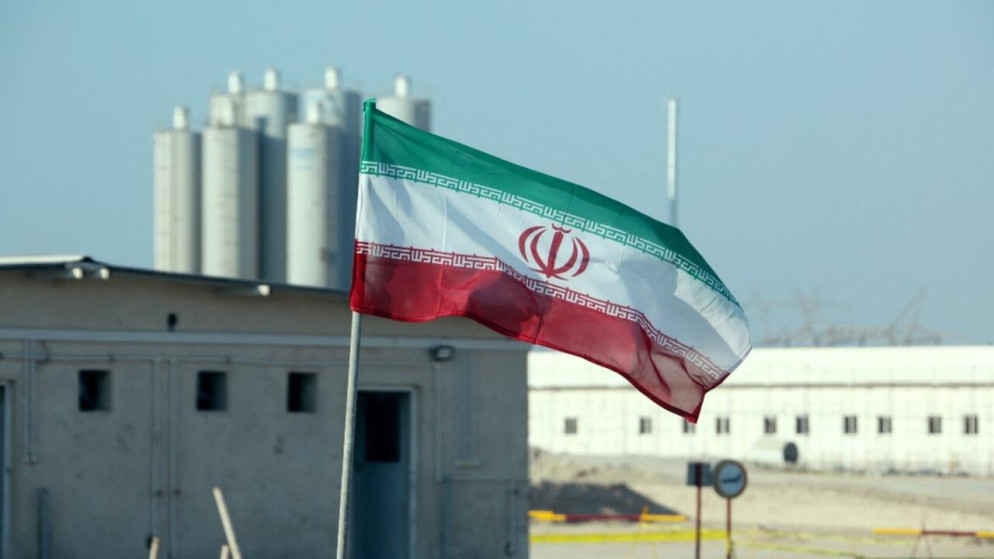
Lebanese authorities have repeatedly stated their desire to avoid involving the country in wider regional conflicts, which have intensified following an American-Israeli operation in Iran that triggered a swift response from Tehran.
Prime Minister of Lebanon, Nawaf Salam, condemned the rocket launches, stating on social media that such actions were irresponsible and jeopardized the safety and security of Lebanon, providing Israel with justification for continued attacks. He affirmed that Lebanon would not be drawn into new adventures and pledged to take all necessary measures to apprehend those responsible and protect the Lebanese people.
This exchange of fire marks a dangerous turning point after a period of relative calm since a ceasefire was implemented. The repercussions of this latest escalation remain to be seen, raising concerns about further instability in the region.