 Milan-Cortina 2026 Olympic Winter Games: freestyle skiing women's freeski slopestyle qualification
Orange Jordan Sponsors Al Hussein Technical University’s "Leadathon"
The CEO of Orange Jordan Visits Yarmouk University President to Strengthen the Strategic Partnership
*Orange Jordan Showcases Fabrication Lab Innovations at the Makers’ Forum
3 Winners at Orange Summer Challenge 2024 Join the “Social Innovation” Journey Fostering "Tech4Impact”
Estarta Named Cisco Systems' Distinguished Supplier of the Year 2024
Milan-Cortina 2026 Olympic Winter Games: freestyle skiing women's freeski slopestyle qualification
Orange Jordan Sponsors Al Hussein Technical University’s "Leadathon"
The CEO of Orange Jordan Visits Yarmouk University President to Strengthen the Strategic Partnership
*Orange Jordan Showcases Fabrication Lab Innovations at the Makers’ Forum
3 Winners at Orange Summer Challenge 2024 Join the “Social Innovation” Journey Fostering "Tech4Impact”
Estarta Named Cisco Systems' Distinguished Supplier of the Year 2024
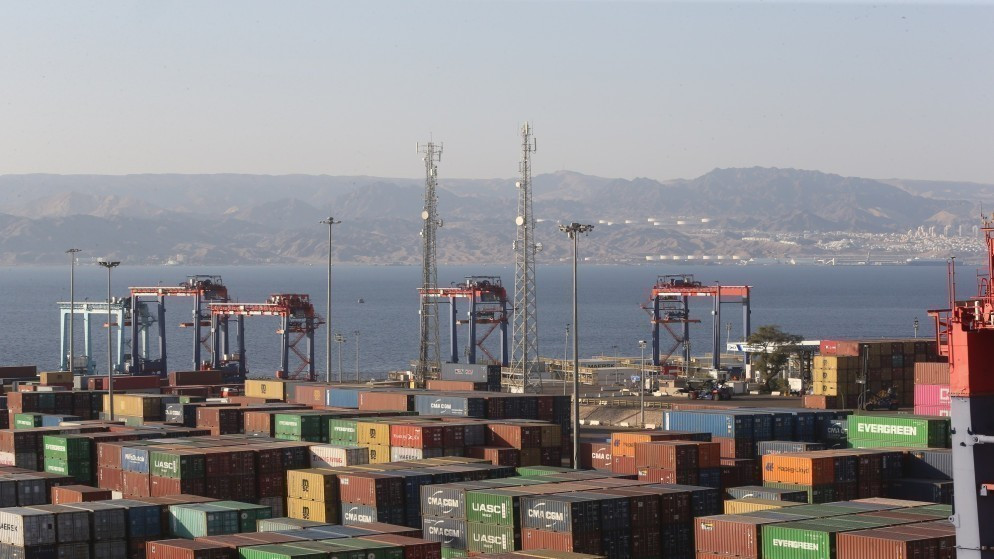
Jordan's national exports experienced a significant increase in 2025, climbing by 9.9% to reach 9,624 million dinars, according to a recent report from the Department of Statistics on foreign trade.
The value of re-exports also saw a substantial rise of 12.3%, totaling 959 million dinars. Consequently, the total value of exports reached 10,583 million dinars, marking a 10.1% increase compared to 2024.
However, this export growth was accompanied by a 7.5% increase in imports, which amounted to 20,528 million dinars. This led to a trade deficit of 9,945 million dinars, an increase of 460 million dinars compared to the previous year.
The ratio of total exports to imports stood at 52% in 2025, up from 50% in 2024, representing a 2-percentage-point increase. Notably, the coverage ratio for December alone reached 65%, a significant jump from 47% in the same month of 2024, reflecting an 18-percentage-point increase.
In December 2025, the total value of exports reached 1,032 million dinars, comprising 929 million dinars in national exports and 103 million dinars in re-exports. Imports for the month totaled 1,589 million dinars, resulting in a trade deficit of 557 million dinars.
Comparing December 2025 with December 2024, total exports rose by 21.0%, with national exports increasing by 18.0% and re-exports by 56.1%. Simultaneously, imports decreased by 13.0%, leading to a 42.8% reduction in the trade deficit.
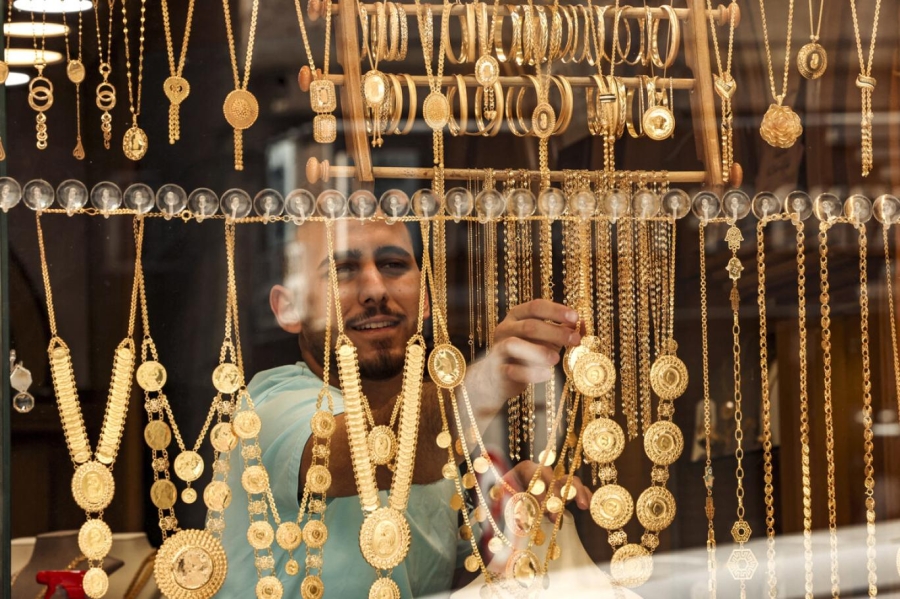
The increase in national exports was primarily driven by sectors such as nitrogenous or chemical fertilizers (11.1%), jewelry (18.5%), pharmaceutical preparations (5.1%), raw phosphate (13.3%), and raw potash (18.9%). On the import side, there were increases in the value of jewelry (56.4%), machinery, mechanical appliances, and parts thereof (20.8%), electrical machinery and equipment (4.2%), and cereals (8.0%). Conversely, imports of crude oil and its derivatives decreased by 1.4%, and vehicles and bicycles by 2.4%.
The rise in national exports was attributed to increased exports to markets in the Greater Arab Free Trade Area, including Saudi Arabia, as well as non-Arab Asian countries like India, and European Union countries, including Italy. Key international markets from which imports increased included countries in the Greater Arab Free Trade Area, such as Saudi Arabia, countries in the North American Free Trade Agreement, including the United States, non-Arab Asian countries like China, and European Union countries like Germany.
Exports to Syria recorded a substantial growth rate of 358.2%. National exports to the European Union also increased by 39.3% during 2025, while imports from Iraq decreased by 17.2%.