 Milan-Cortina 2026 Olympic Winter Games: freestyle skiing women's freeski slopestyle qualification
Orange Jordan Sponsors Al Hussein Technical University’s "Leadathon"
The CEO of Orange Jordan Visits Yarmouk University President to Strengthen the Strategic Partnership
*Orange Jordan Showcases Fabrication Lab Innovations at the Makers’ Forum
3 Winners at Orange Summer Challenge 2024 Join the “Social Innovation” Journey Fostering "Tech4Impact”
Estarta Named Cisco Systems' Distinguished Supplier of the Year 2024
Milan-Cortina 2026 Olympic Winter Games: freestyle skiing women's freeski slopestyle qualification
Orange Jordan Sponsors Al Hussein Technical University’s "Leadathon"
The CEO of Orange Jordan Visits Yarmouk University President to Strengthen the Strategic Partnership
*Orange Jordan Showcases Fabrication Lab Innovations at the Makers’ Forum
3 Winners at Orange Summer Challenge 2024 Join the “Social Innovation” Journey Fostering "Tech4Impact”
Estarta Named Cisco Systems' Distinguished Supplier of the Year 2024
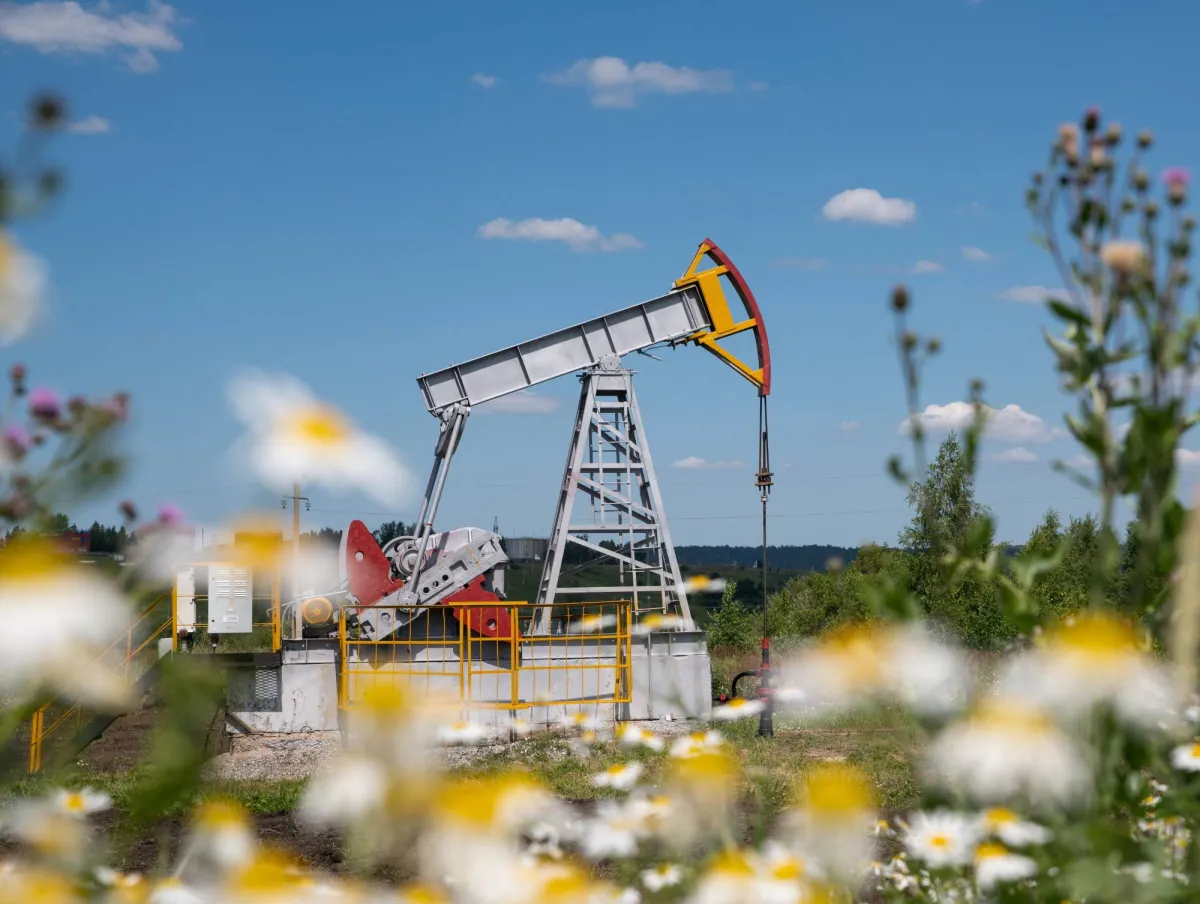
Oil prices are expected to rise sharply, potentially reaching $100 a barrel, as geopolitical tensions escalate in the Middle East, analysts warn.
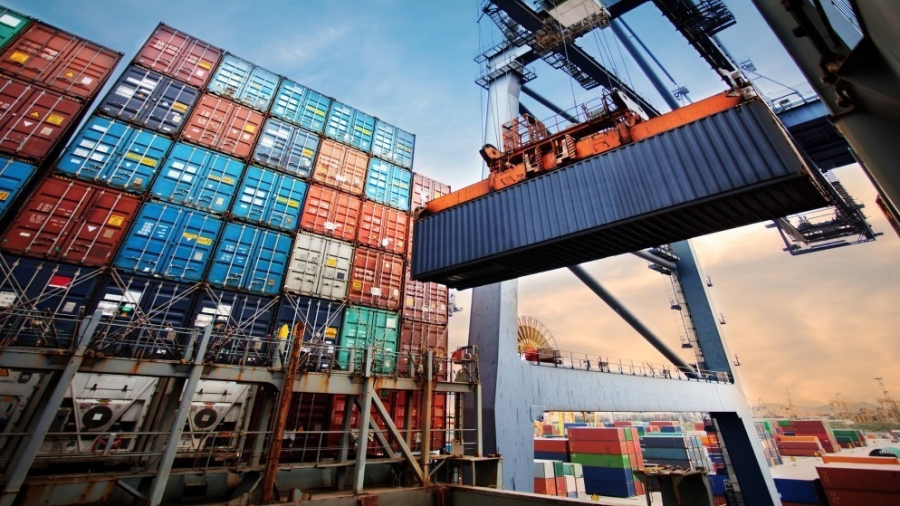
Concerns are mounting that the escalating conflict between the United States, Israel, and Iran could disrupt crude oil supplies, prompting some major oil companies and trading houses to halt shipments through the Strait of Hormuz.
Halima Croft, head of commodity research at RBC Capital, believes the ultimate impact on oil prices will depend on whether Iran's Revolutionary Guard backs down or escalates the situation. She cautioned that exceeding $100 per barrel poses a “clear and present danger.”
Barclays energy analysts echoed this sentiment, stating that oil markets might face their worst fears. They suggested Brent crude could hit $100 a barrel as the market grapples with potential supply disruptions amid deteriorating security in the Middle East.
According to Reuters, energy analysts at Eurasia Group said oil prices would rise sharply if the conflict persists. They anticipate a $5 to $10 increase above the current baseline of $73, should Iran announce the closure of the Strait of Hormuz, disrupting tanker traffic.
The immediate market reaction, according to Christopher Wong, an analyst at OCBC in Singapore, is that geopolitical risk premiums are rising. Safe-haven assets like gold are expected to gap higher, while oil prices may also surge due to supply disruption fears, he said.
Vishnu Varathan, head of Asia economics research at Mizuho in Singapore, noted that oil prices are likely to remain elevated, as production and transit remain vulnerable to attacks and disruptions. He added that even without a closure of the Strait of Hormuz, a risk premium of 10 to 25 percent on oil is not unreasonable.
Even with alternative infrastructure in place, should the Strait of Hormuz close, George Leon of Rystad Energy notes that there would still be a net loss of 8 to 10 million barrels per day of crude oil supply. He suggests that countries with strategic petroleum reserves may take action and draw down supplies if the disruption risk intensifies.
According to Reuters, Halima said that all OPEC+ producers have reached their maximum production capacity except Saudi Arabia, therefore, the impact of any increase in OPEC+ production will be limited due to the lack of actual production capacity.
Nick Ferris, chief investment officer at Vantage Point Asset Management in Singapore, believes that energy remains inexpensive and anticipates the sector, along with gold, will see gains.