 Milan-Cortina 2026 Olympic Winter Games: freestyle skiing women's freeski slopestyle qualification
Orange Jordan Sponsors Al Hussein Technical University’s "Leadathon"
The CEO of Orange Jordan Visits Yarmouk University President to Strengthen the Strategic Partnership
*Orange Jordan Showcases Fabrication Lab Innovations at the Makers’ Forum
3 Winners at Orange Summer Challenge 2024 Join the “Social Innovation” Journey Fostering "Tech4Impact”
Estarta Named Cisco Systems' Distinguished Supplier of the Year 2024
Milan-Cortina 2026 Olympic Winter Games: freestyle skiing women's freeski slopestyle qualification
Orange Jordan Sponsors Al Hussein Technical University’s "Leadathon"
The CEO of Orange Jordan Visits Yarmouk University President to Strengthen the Strategic Partnership
*Orange Jordan Showcases Fabrication Lab Innovations at the Makers’ Forum
3 Winners at Orange Summer Challenge 2024 Join the “Social Innovation” Journey Fostering "Tech4Impact”
Estarta Named Cisco Systems' Distinguished Supplier of the Year 2024
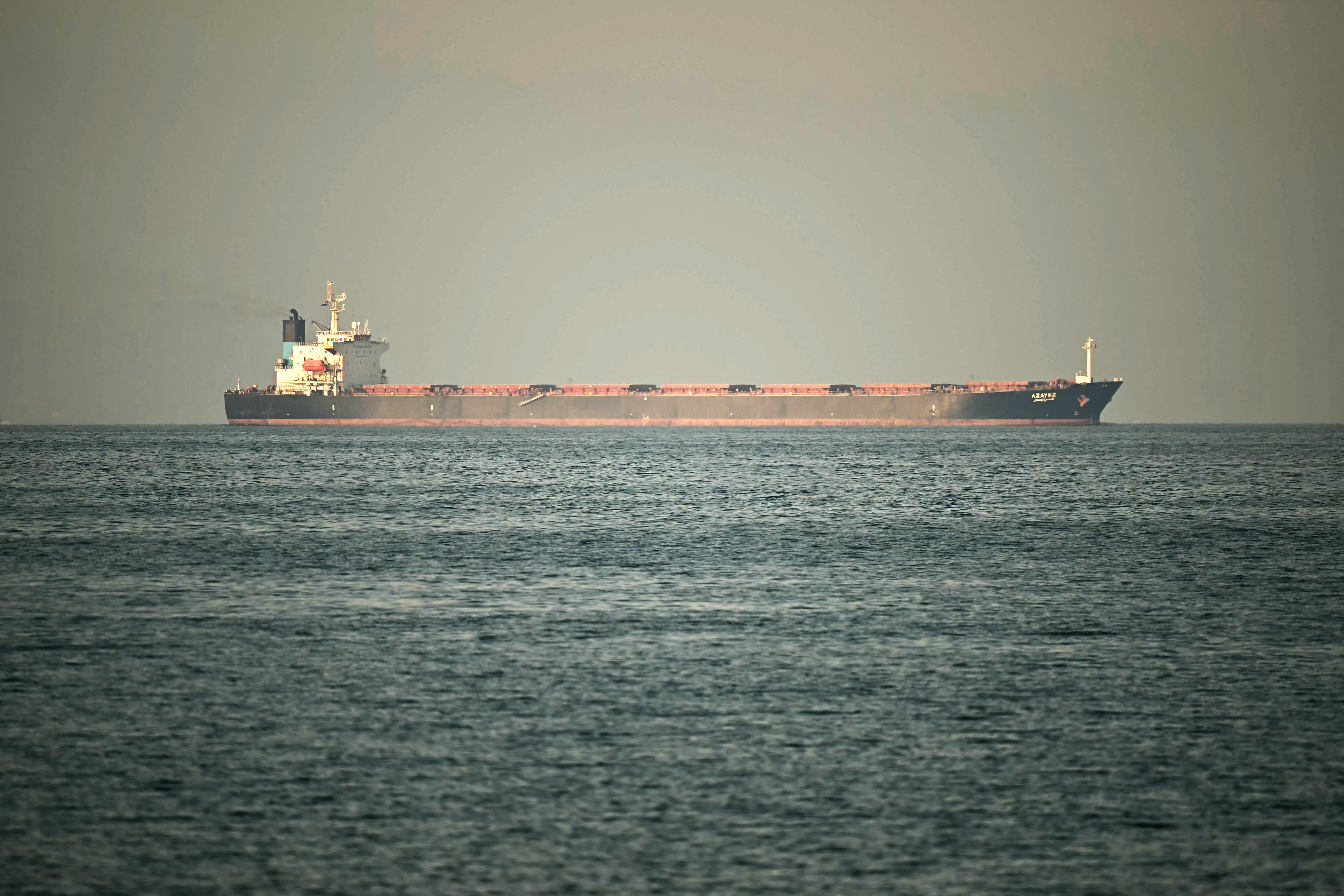
Maersk, the Danish shipping giant, is redirecting vessels traveling from the Middle East to India via the Mediterranean Sea and those heading to the U.S. East Coast via the Cape of Good Hope, citing the escalating security situation in the region.
The company has temporarily suspended all transits through the Suez Canal and the Bab el-Mandeb Strait, while continuing to accept shipments bound for the Middle East, according to a statement.
The decision follows reports of heightened tensions and warnings regarding maritime safety in critical waterways, including the Strait of Hormuz.
The U.S. Navy has cautioned against navigation in an operational area encompassing the Gulf, Gulf of Oman, northern Arabian Sea, and the Strait of Hormuz, stating that the safety of neutral navigation or commercial vessels cannot be guaranteed.
Similarly, the Greek Ministry of Maritime Affairs has advised ships to avoid transiting the Gulf, Gulf of Oman, and Strait of Hormuz.
Other shipping firms are taking similar precautions. Hapag-Lloyd, the German shipping company, has also suspended all transits through the Strait of Hormuz until further notice, warning of potential delays, route changes, or schedule adjustments for vessels calling at Gulf ports.
France's CMA CGM has instructed its vessels within or bound for the Gulf to proceed to safe locations following reports of increased regional instability.
The disruptions extend beyond Maersk, as several oil tanker owners, major oil companies, and trading firms have reportedly suspended crude oil, fuel, and liquefied natural gas shipments through the Strait of Hormuz, according to trade sources.
Satellite images have revealed a build-up of ships near key ports, such as Fujairah in the United Arab Emirates, indicating a reluctance to transit the Strait of Hormuz.
A European Union maritime security mission (Aspides) official stated that numerous vessels in the region received radio broadcasts from the Iranian Revolutionary Guard Corps stating that no ships would be allowed to pass through the Strait of Hormuz.
The UK Navy has stated that Iran's orders are not legally binding, and advised ships to transit with caution.
Maritime brokerage firm Poten & Partners noted in a client memo that while ship movement through the Strait has not completely stopped, disruptions are rapidly increasing.
Approximately 20% of the world's oil and significant volumes of liquefied natural gas pass through the Strait of Hormuz.