 Milan-Cortina 2026 Olympic Winter Games: freestyle skiing women's freeski slopestyle qualification
Orange Jordan Sponsors Al Hussein Technical University’s "Leadathon"
The CEO of Orange Jordan Visits Yarmouk University President to Strengthen the Strategic Partnership
*Orange Jordan Showcases Fabrication Lab Innovations at the Makers’ Forum
3 Winners at Orange Summer Challenge 2024 Join the “Social Innovation” Journey Fostering "Tech4Impact”
Estarta Named Cisco Systems' Distinguished Supplier of the Year 2024
Milan-Cortina 2026 Olympic Winter Games: freestyle skiing women's freeski slopestyle qualification
Orange Jordan Sponsors Al Hussein Technical University’s "Leadathon"
The CEO of Orange Jordan Visits Yarmouk University President to Strengthen the Strategic Partnership
*Orange Jordan Showcases Fabrication Lab Innovations at the Makers’ Forum
3 Winners at Orange Summer Challenge 2024 Join the “Social Innovation” Journey Fostering "Tech4Impact”
Estarta Named Cisco Systems' Distinguished Supplier of the Year 2024
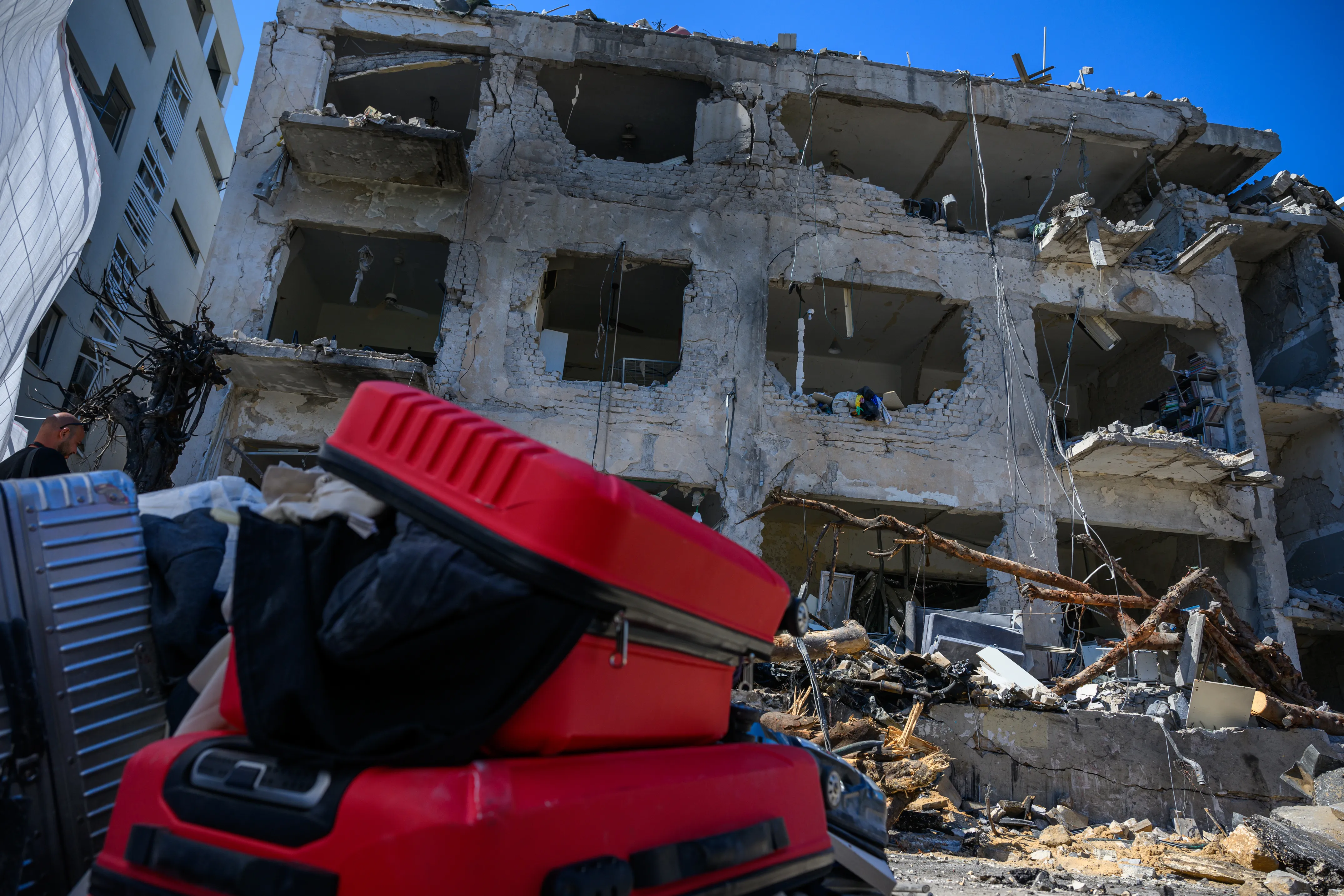
Israel is grappling with the economic fallout of the recent Iranian strikes, as the initial financial costs are estimated at 9 billion shekels ($2.88 billion), according to Finance Minister Bezalel Smotrich.
The conflict's timing adds complexity to the approval of the 2026 budget, with concerns rising about a potential budget deficit exceeding 3.9%. This confluence of events poses challenges to investor confidence, potentially impacting currency values and sovereign debt ratings.
Beyond the immediate expenses, Israel faces the challenge of integrating these costs into the 2026 budget amid political and legal sensitivities surrounding its approval. The Finance Ministry had already allocated an additional 9 billion shekels for security, raising the defense budget to at least 121 billion shekels.
Approximately 70% of the initial funding will come from domestic sources, including 6 billion shekels within the budget, while the remaining 30% will be sourced from outside the budget, necessitating an expansion of the spending ceiling.
According to financial newspaper Calcalist, Israel has been operating without an approved budget since the beginning of January 2026, relying on a monthly budget based on the 2025 budget with adjustments. Failure to approve the 2026 budget by the end of March could trigger the dissolution of the Knesset and early elections.
To mitigate the immediate social and economic impact, the Israeli government has approved initial aid through the Interior Ministry for those directly affected. This includes a 2,000 shekel allocation for each person whose home was rendered uninhabitable, divided into assistance for local authorities and direct aid to affected individuals.
Additionally, a fast-track compensation process has been established for property damage claims up to 30,000 shekels, promising approval within seven days of application completion without requiring an assessor.
As of Sunday, 655 property damage claims had been filed, with a significant concentration in Tel Aviv. Thirty compensation fund teams are working on the ground, supported by engineers and assessors, to expedite the handling of claims.
The Tel Aviv Stock Exchange was closed on Sunday and is scheduled to reopen on Monday. The market had already begun to reflect concerns about the impending conflict the previous week, with the Tel Aviv 35 index declining by 2.5%.
In the currency market, the dollar rose by 0.4% to 3.12 shekels on Friday, further climbing to 3.13 shekels in interbank trading as expectations of the attack grew.
Expert Ahmed El Bahansi suggests that the initial 9 billion shekel cost is just the beginning of a potentially larger financial burden. While the figure may seem manageable within an economy exceeding $500 billion, the cumulative effect of a prolonged or geographically expanded conflict could necessitate a comprehensive reassessment of budget priorities or an increase in the deficit.
El Bahansi also notes that any political delays within the Knesset will increase market uncertainty, potentially leading to pressure on the currency or the sovereign debt rating.