 Milan-Cortina 2026 Olympic Winter Games: freestyle skiing women's freeski slopestyle qualification
Orange Jordan Sponsors Al Hussein Technical University’s "Leadathon"
The CEO of Orange Jordan Visits Yarmouk University President to Strengthen the Strategic Partnership
*Orange Jordan Showcases Fabrication Lab Innovations at the Makers’ Forum
3 Winners at Orange Summer Challenge 2024 Join the “Social Innovation” Journey Fostering "Tech4Impact”
Estarta Named Cisco Systems' Distinguished Supplier of the Year 2024
Milan-Cortina 2026 Olympic Winter Games: freestyle skiing women's freeski slopestyle qualification
Orange Jordan Sponsors Al Hussein Technical University’s "Leadathon"
The CEO of Orange Jordan Visits Yarmouk University President to Strengthen the Strategic Partnership
*Orange Jordan Showcases Fabrication Lab Innovations at the Makers’ Forum
3 Winners at Orange Summer Challenge 2024 Join the “Social Innovation” Journey Fostering "Tech4Impact”
Estarta Named Cisco Systems' Distinguished Supplier of the Year 2024
Saudi Arabia has significantly strengthened its air defense capabilities through the integration of advanced systems and a strategic focus on local manufacturing, enhancing its ability to counter aerial threats.
The Kingdom's air defense network, designed to intercept a range of threats from long-range missiles to close-range attacks, has demonstrated its effectiveness in numerous engagements.
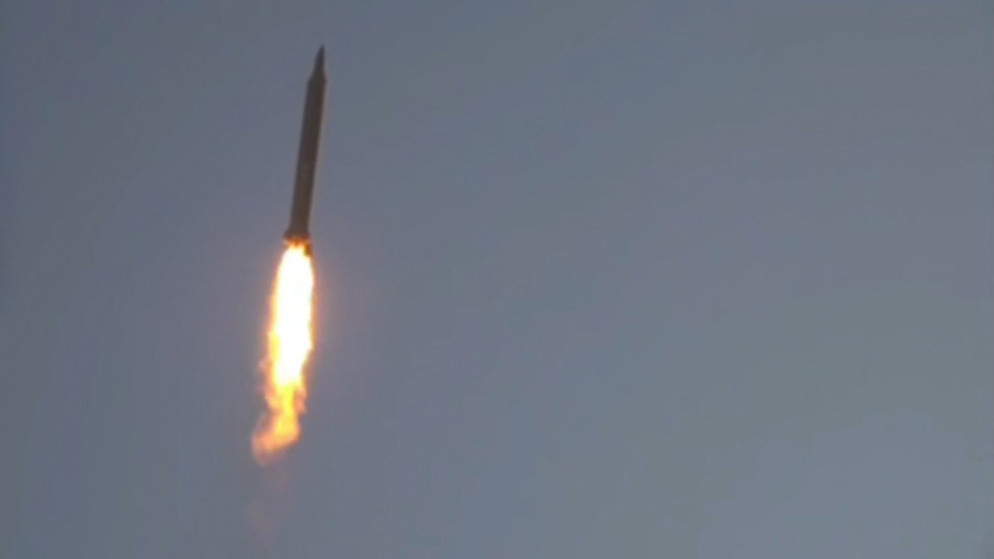
The Royal Saudi Air Defense Forces have intercepted over 430 ballistic missiles and approximately 851 drones launched by Houthi militias since 2015, showcasing the system's operational capabilities.
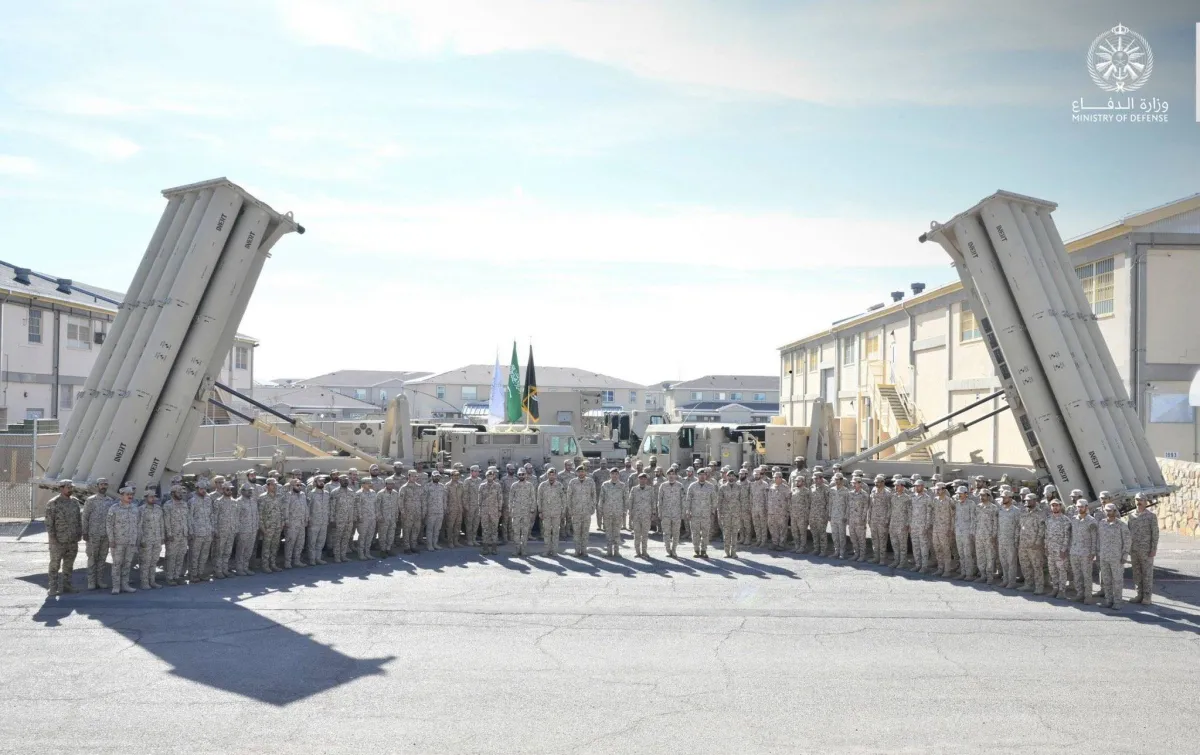
At the core of Saudi Arabia's high-altitude interception capabilities is the Terminal High Altitude Area Defense (THAAD) system. The first THAAD unit was commissioned into the Royal Saudi Air Defense Forces in July 2025, following comprehensive testing and field training.
In August, the Royal Saudi Air Defense Forces announced the graduation of the third THAAD missile defense system company, whose members completed specialized individual training at Fort Bliss in El Paso, Texas.
This graduation marks the continuation of previous cohorts as part of an integrated plan to qualify operating and maintenance crews for the THAAD system, one of the most advanced missile defense systems in the world and a key pillar of Saudi Arabia's air defense system.
In a move towards greater self-reliance, components of the THAAD system are now being manufactured within Saudi Arabia. Lockheed Martin announced the production of the first batch of THAAD launcher components in collaboration with the Arabian International Iron Construction Company in May, boosting the Kingdom's defense capabilities.
This initiative aligns with the Saudi Ministry of Defense's strategy to enhance the capabilities of the armed forces through specialized training and professional development, meeting the demands of modern operations and improving combat readiness. It also supports Saudi Vision 2030's goals for military modernization and technological localization.
The Patriot missile defense system forms another crucial layer of Saudi Arabia's defense infrastructure. The Kingdom has relied on Patriot for decades, with ongoing upgrades to its munitions and operational capabilities. Saudi Arabia is among the largest operators of missile defense systems in the region, with its system primarily designed to counter ballistic missile threats.
Parallel to acquiring advanced systems, Saudi Arabia is focused on localizing military spending and manufacturing. The General Authority for Military Industries (GAMI) aims to increase the localization of military spending to over 50 percent by 2030; the localization rate reached 24.89 percent by the end of 2024.
The integrated air defense system features early warning radar, command and control centers, and interception units operating at various altitudes and distances, minimizing the chances of penetration.
The operational experience gained through repeated interceptions of ballistic missiles and drones during the Yemen conflict has enhanced the efficiency of Saudi crews and driven improvements in early warning, networking, and handling simultaneous attacks.