 Milan-Cortina 2026 Olympic Winter Games: freestyle skiing women's freeski slopestyle qualification
Orange Jordan Sponsors Al Hussein Technical University’s "Leadathon"
The CEO of Orange Jordan Visits Yarmouk University President to Strengthen the Strategic Partnership
*Orange Jordan Showcases Fabrication Lab Innovations at the Makers’ Forum
3 Winners at Orange Summer Challenge 2024 Join the “Social Innovation” Journey Fostering "Tech4Impact”
Estarta Named Cisco Systems' Distinguished Supplier of the Year 2024
Milan-Cortina 2026 Olympic Winter Games: freestyle skiing women's freeski slopestyle qualification
Orange Jordan Sponsors Al Hussein Technical University’s "Leadathon"
The CEO of Orange Jordan Visits Yarmouk University President to Strengthen the Strategic Partnership
*Orange Jordan Showcases Fabrication Lab Innovations at the Makers’ Forum
3 Winners at Orange Summer Challenge 2024 Join the “Social Innovation” Journey Fostering "Tech4Impact”
Estarta Named Cisco Systems' Distinguished Supplier of the Year 2024
BAGHDAD - A tense calm has settled over Iraq after a night of escalating tensions between supporters of Iranian Supreme Leader Ali Khamenei and Iraqi and U.S. interests. The initial shock has subsided, and the immediate drive for retaliation has eased.
On Monday, a decision appeared to have been made to return to a pragmatic approach among factions, pending the restoration of communication channels with the Iranian Revolutionary Guard Corps (IRGC). This shift comes as discussions consider the possibility of a protracted conflict with a defined set of targets.
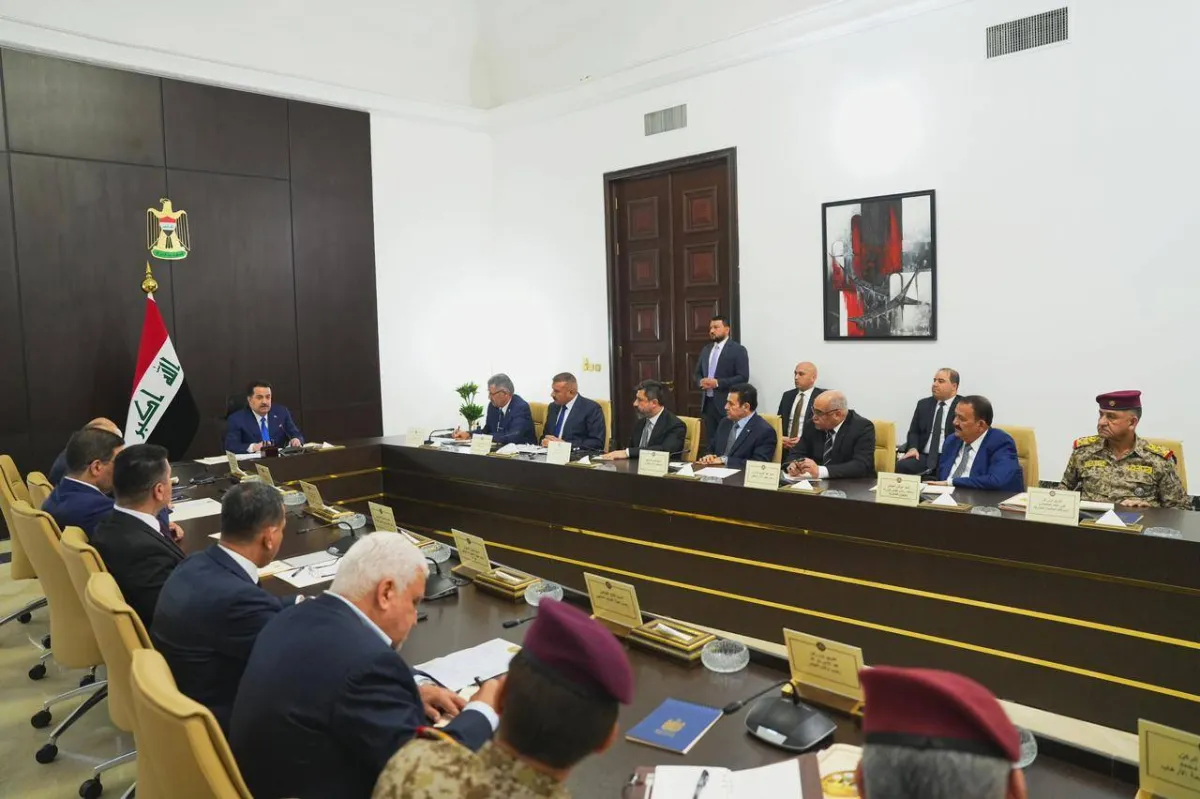
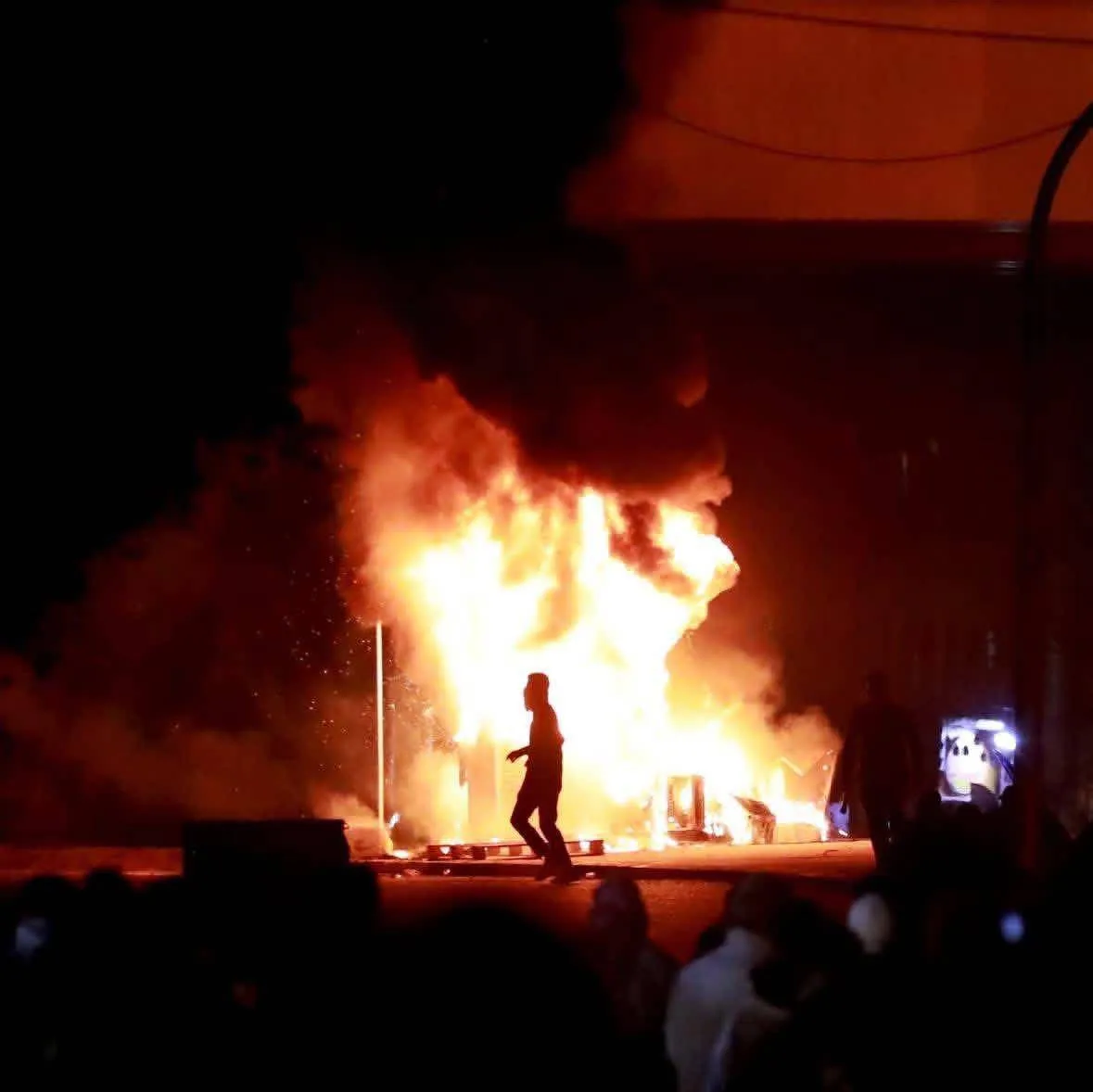
Influential group leaders reportedly ordered protesters, angered by the U.S. killing of Khamenei, to withdraw after two nights of besieging Baghdad's Green Zone, where they attempted to breach the U.S. embassy. The scene transformed within hours into a lull before a potentially volatile and unpredictable period.
Since Saturday night, dozens of individuals had gradually gathered at the entrances to the Green Zone, culminating in a peak تجمع at the "Suspended Bridge" near the U.S. embassy on Sunday night.
According to an Iraqi official, the behavior of security forces reflected strict orders to "manage the anger."
Around midnight between Sunday and Monday, some protesters deviated from the agreed parameters and were observed firing live ammunition at government forces. Fires were also ignited near the Green Zone's perimeter.
The Interior Ministry later stated that "infiltrators" among the protesters had fired on security forces, resulting in 13 injuries requiring hospitalization. However, the ministry did not acknowledge reports from eyewitnesses that protesters were also wounded by live fire.
Sources within Iraqi political and security circles indicated that the government had issued firm instructions to establish inviolable boundaries for protests, with strict orders to arrest any security commander who failed to prevent the firing of rockets, missiles, or drones.
However, Iranian allies in Iraq have become fragmented, operating without central command, while the IRGC faces pressure from Israeli and U.S. attacks. This has led to a wave of uncoordinated attacks, with various actors launching drones across Iraq, from Erbil to Samawah.
U.S. reports on Sunday indicated that the IRGC no longer had a headquarters to direct operations, leaving allied fronts to improvise in seeking retaliation.
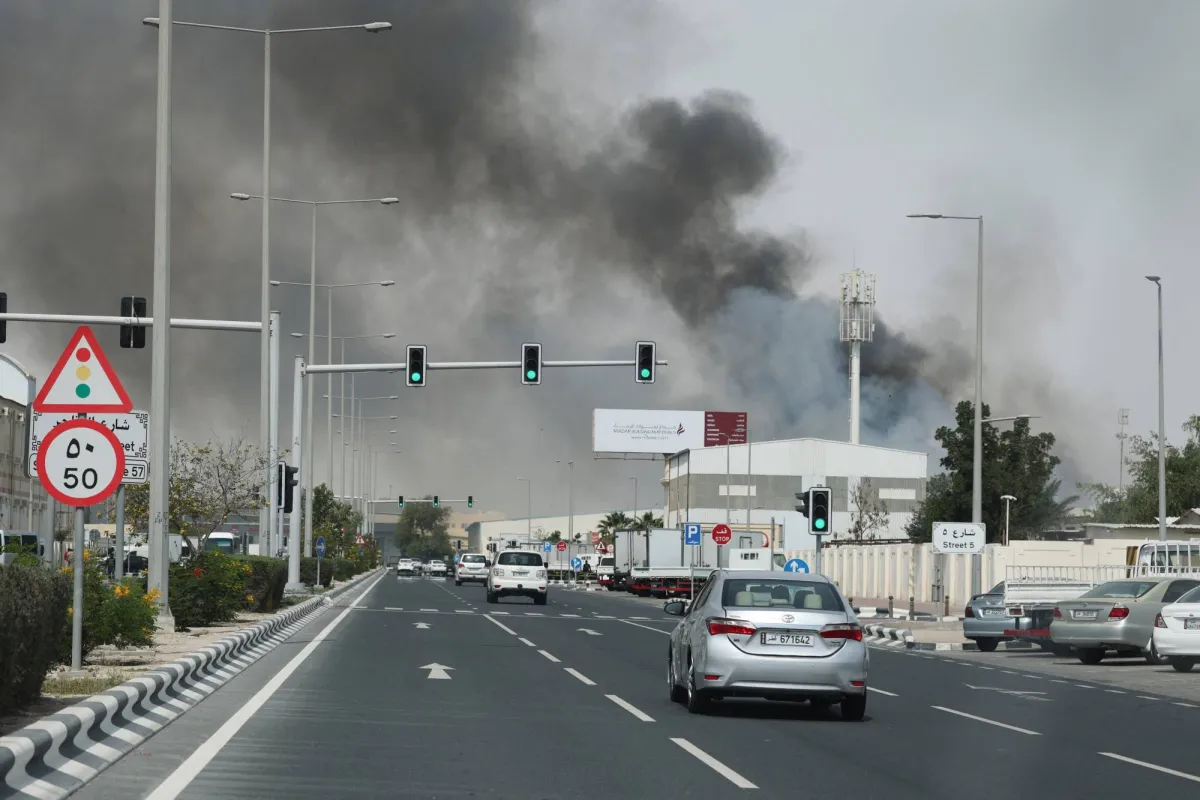
In Baghdad, factional attacks targeted the U.S. Victory Base near Baghdad International Airport. In Basra, a radar system was attacked. Intelligence reports from Nasiriyah indicated that the Imam Ali military base, housing army units and radar systems, was also targeted by drone attacks.
Erbil endured the brunt of attacks, described by a Kurdish officer as a barrage of drones every half hour.
According to U.S. and Kurdish sources, drone attacks primarily targeted the new U.S. consulate building in Erbil and the Harir military base, which houses U.S. forces recently withdrawn from Ain al-Assad, al-Tanf, and al-Shaddadi bases.
To a lesser extent, the vicinity of Erbil International Airport was also attacked, with some drones striking civilian homes and roads.
The majority of attacks failed to achieve significant breaches due to air defenses and the geographical location of Harir base, which is partially shielded by a mountain.
Conversely, locations believed to belong to armed factions in al-Qaim, Samawah, and al-Wajihiya were attacked, as were sites in Jurf al-Sakhar and al-Karma.
Security sources claim that U.S. forces targeted drone and missile storage facilities, while factional circles believe Israel also participated in responding to the attacks.
On Monday morning, security measures remained heightened around the Green Zone, with military vehicles erecting concrete barriers at strategic entrances. However, the intensity of the factional siege had eased, and amid ongoing Iranian attacks, there were signs of a shift in the field.
Many in Baghdad describe the current situation as a "tactical calm after the shock," following reports that the IRGC is regaining its footing and will soon restore regular communication channels with Iraqi proxies.
Iraqi factions interpret Hezbollah's attack as a sign that communications have been re-established and that a similar message is on its way to Iraqi groups.
U.S. estimates suggest that the Iranian response to Khamenei's death will subside within days, possibly for logistical reasons or to focus on the post-Supreme Leader transition. However, a conflicting assessment prevails among Shiite circles in Baghdad, suggesting that a long-term war is a distinct possibility.
According to Ali Larijani, Secretary of Iran's Supreme National Security Council, Iran has prepared itself "more than America for a long-term war."
This type of conflict requires a "target bank," according to a Shiite leader in the Coordination Framework, with not all targets readily accessible to those seeking revenge for Khamenei's death in the current circumstances.
Potential targets could include the U.S. consulate in Erbil, Harir military base, and Victory Base in Baghdad. Striking Ain al-Assad base in Anbar is deemed less valuable, as the Americans had previously evacuated it.
Factional operations in a potential long-term war could extend to American investments in oil and gas fields across the country. However, an attack on the U.S. embassy in Baghdad may be reserved for a decisive stage of the conflict, as determined by the IRGC. Assassination attempts against "enemies of Iran" may also occur.
These expectations pose a significant challenge to the government led by Mohammed Shia al-Sudani, which will be caught between Shiite groups pushing for further escalation and the Americans, alongside an emerging Arab alliance, prompting it to take shape.