 Milan-Cortina 2026 Olympic Winter Games: freestyle skiing women's freeski slopestyle qualification
Orange Jordan Sponsors Al Hussein Technical University’s "Leadathon"
The CEO of Orange Jordan Visits Yarmouk University President to Strengthen the Strategic Partnership
*Orange Jordan Showcases Fabrication Lab Innovations at the Makers’ Forum
3 Winners at Orange Summer Challenge 2024 Join the “Social Innovation” Journey Fostering "Tech4Impact”
Estarta Named Cisco Systems' Distinguished Supplier of the Year 2024
Milan-Cortina 2026 Olympic Winter Games: freestyle skiing women's freeski slopestyle qualification
Orange Jordan Sponsors Al Hussein Technical University’s "Leadathon"
The CEO of Orange Jordan Visits Yarmouk University President to Strengthen the Strategic Partnership
*Orange Jordan Showcases Fabrication Lab Innovations at the Makers’ Forum
3 Winners at Orange Summer Challenge 2024 Join the “Social Innovation” Journey Fostering "Tech4Impact”
Estarta Named Cisco Systems' Distinguished Supplier of the Year 2024
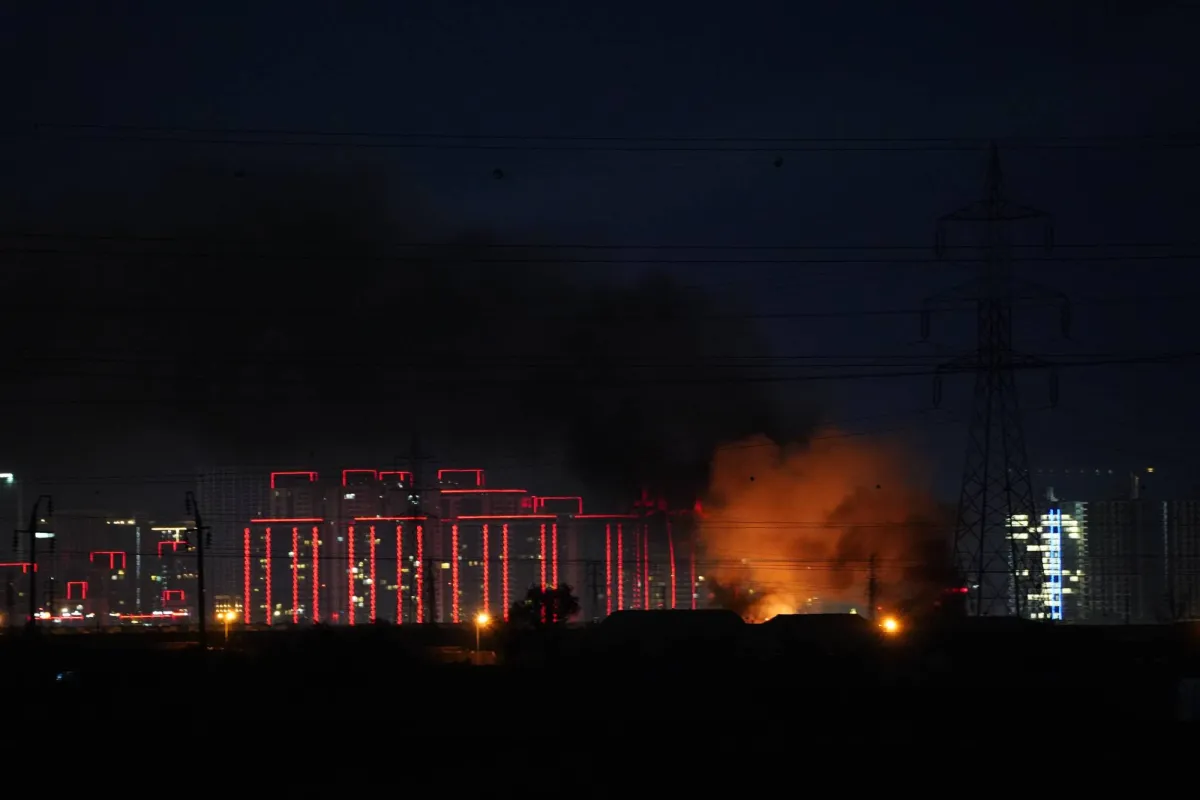
Erbil, Iraq – Residents of Erbil, the capital of Iraq's Kurdistan region, are living with heightened anxiety as the sounds of drones and air defense systems punctuate the sky, underscoring the growing impact of regional conflicts on their doorstep.
The Kurdistan region, which enjoys a degree of autonomy, hosts forces from the U.S.-led international coalition. Erbil is also home to a large U.S. consulate, making it a potential target amid escalating tensions in the Middle East.
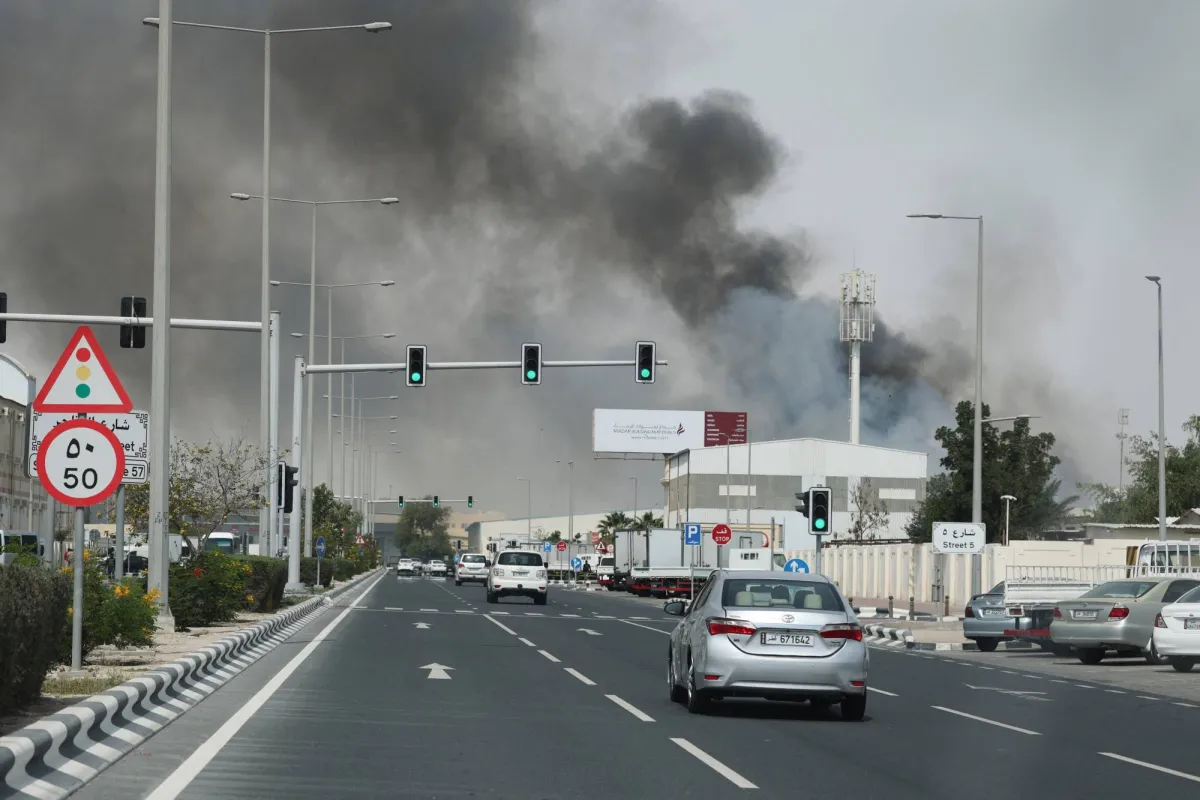
Recent days have seen repeated explosions in Erbil as U.S. air defense systems engage incoming drones. According to a photographer, at least two drones were intercepted near Erbil's airport, which houses a coalition base.
Karwan Salim, a 35-year-old day laborer, expressed relief at the effectiveness of the air defense system. "The United States and its allies have done well to use this effective air defense system. Without it, the situation in Erbil would be disastrous," he said. "We ask God to help them and that they continue."
The escalating tensions follow attacks on Iran, with retaliatory actions targeting locations in Iraq and other Gulf countries where Americans may be present. Sites linked to pro-Iranian factions in Iraq have also been targeted in strikes attributed to the U.S. and Israel, though neither has claimed responsibility.
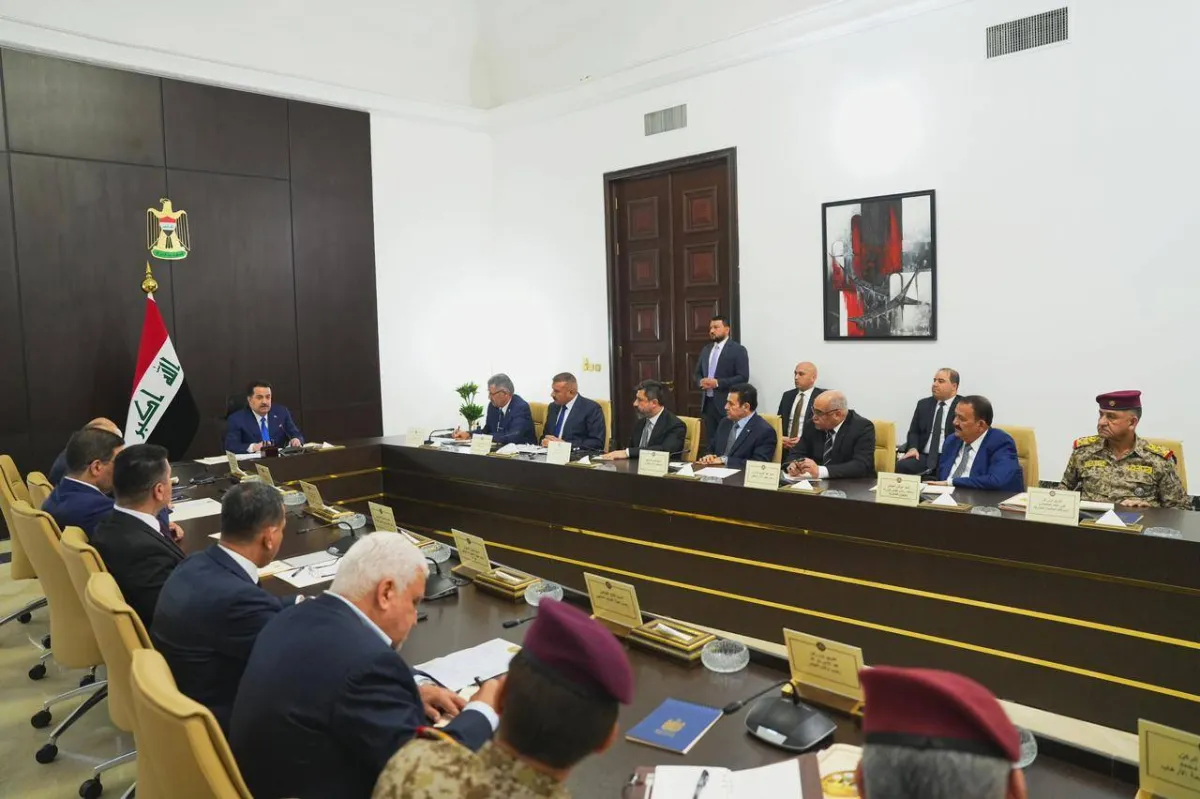
Iraqi Foreign Minister Fuad Hussein acknowledged the security challenges, stating that Iran continues to shell areas in the Kurdistan region, particularly Erbil, while other locations in southern and western Iraq are also being targeted.
Adding to the concerns, Erbil residents are also grappling with power outages. Recent improvements in electricity supply have been reversed after a major gas field suspended operations as a precautionary measure.
The Khor Mor gas field, operated by UAE-based Dana Gas, supplies most of Kurdistan's power plants. It has been repeatedly targeted in recent years in attacks attributed to pro-Iranian Iraqi factions.
Shopkeeper Abdul Rahman Ismail, 72, said people are afraid to leave their homes during the day, and the fear intensifies at night. He blamed Iran and its supporters for the situation.
Nurse Salar Burhan, 27, lamented the daily drone attacks, questioning why they are being dragged into this war.
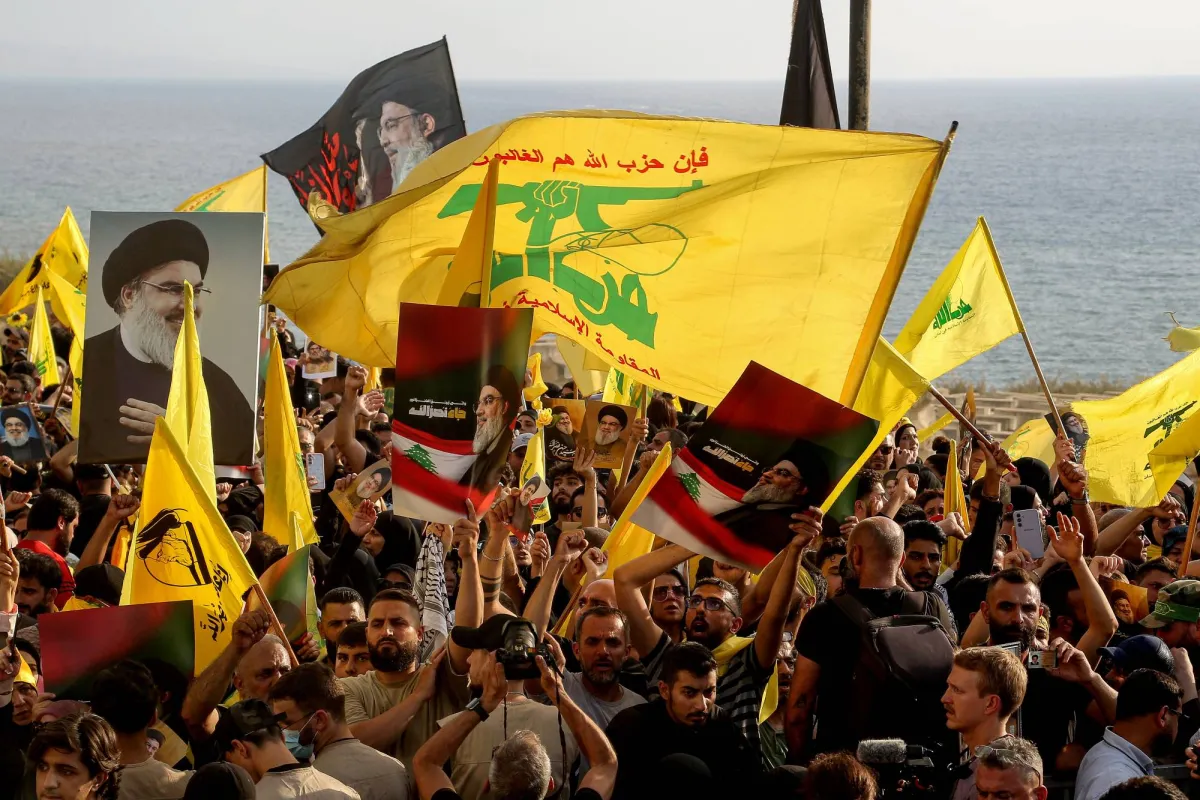
Pro-Iranian factions have warned of a protracted war of attrition, while the influential Kataib Hezbollah has vowed to prevent any American presence in the region, particularly in Iraq. The group also issued a warning to the Kurdistan region against colluding with hostile foreign forces.
The Kurdistan region maintains close ties with the United States, which led the 2003 invasion that toppled Saddam Hussein. Coalition forces have remained in the region since withdrawing from other parts of Iraq.
Khaled Ahmed, a 70-year-old merchant, said that without electricity, there is no trade. He is forced to rely on a small battery-powered lamp to keep his shop open when the power goes out. He added that shops are full of goods, but people are panic-buying out of fear, calling the war a tragedy for everyone.
Media Aziz, 37, expressed concern about food spoilage due to the power outages. "We bought dairy products and meat, but we are worried that it will spoil in the refrigerator because of the power outage," she said. "We can adapt to everything, but without electricity, life becomes difficult."