 Milan-Cortina 2026 Olympic Winter Games: freestyle skiing women's freeski slopestyle qualification
Orange Jordan Sponsors Al Hussein Technical University’s "Leadathon"
The CEO of Orange Jordan Visits Yarmouk University President to Strengthen the Strategic Partnership
*Orange Jordan Showcases Fabrication Lab Innovations at the Makers’ Forum
3 Winners at Orange Summer Challenge 2024 Join the “Social Innovation” Journey Fostering "Tech4Impact”
Estarta Named Cisco Systems' Distinguished Supplier of the Year 2024
Milan-Cortina 2026 Olympic Winter Games: freestyle skiing women's freeski slopestyle qualification
Orange Jordan Sponsors Al Hussein Technical University’s "Leadathon"
The CEO of Orange Jordan Visits Yarmouk University President to Strengthen the Strategic Partnership
*Orange Jordan Showcases Fabrication Lab Innovations at the Makers’ Forum
3 Winners at Orange Summer Challenge 2024 Join the “Social Innovation” Journey Fostering "Tech4Impact”
Estarta Named Cisco Systems' Distinguished Supplier of the Year 2024
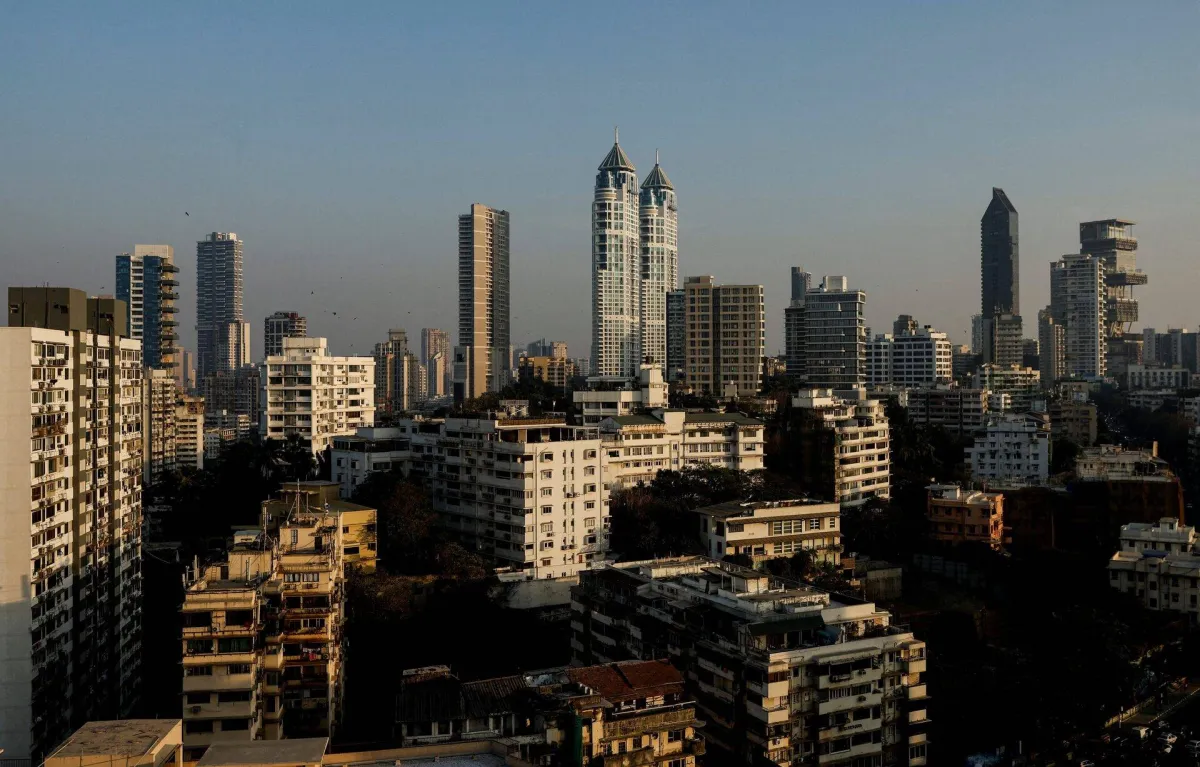
India's economic growth slowed in the last quarter, but the South Asian nation retained its title as the world's fastest-growing major economy, propelled by strong domestic consumption.
According to new data, the economy grew by 7.8% during the October-December period compared to the previous year, a decrease from the 8.4% growth rate recorded in the preceding quarter. The Indian government expects the economy to grow 7.6% in the fiscal year ending March 31, surpassing previous estimates of 7.4%.
Following the release of the data, Chief Economic Advisor V. Anantha Nageswaran said growth projections for the fiscal year were adjusted to range between 7% and 7.4%, compared to earlier forecasts of 6.8% and 7.2%. He added that India will easily surpass the $4 trillion mark in the next fiscal year.
Throughout much of the current fiscal year, the Indian economy faced uncertainty due to customs duties that negatively impacted exports. In response, Prime Minister Narendra Modi's government accelerated the implementation of domestic reforms, including tax cuts on hundreds of goods and long-awaited labor reforms.
Earlier this month, New Delhi reached a tentative agreement with Washington to reduce actual customs duties to 18%, easing trade tensions, though the agreement has not yet been formally signed. A U.S. Supreme Court decision to abolish global tariffs imposed by former President Donald Trump may improve India's trade position in upcoming negotiations, despite Trump's announcement of a temporary 10% tariff on all countries, including India, with a promise to raise it to 15%.
Despite the pressures, private consumption continued to rise, recording growth of 8.7% year-on-year during the October-December period, compared to 8% in the previous quarter. Government spending grew by 4.7% year-on-year, down from 6.6% in the previous quarter, while private investment recorded growth of 7.8%, less than the previous quarter's growth of 8.4%.
The manufacturing sector grew by 13.3% in the third quarter compared to 13.2% in the previous quarter, while the financial services and hospitality sectors maintained their strong performance. In contrast, growth in agricultural production, which employs more than 40% of the workforce, slowed to 1.4% in the third quarter of the current fiscal year, compared to 2.3% in the previous quarter.
Radhika Rao, an economist at DBS Bank in Singapore, commented, "The performance of the services sector indicates a strong recovery, along with manufacturing sector growth exceeding 10%."
Rao added, "The last quarter of the year also benefited from the streamlining of indirect taxes, seasonal demand during the holidays, and improved performance of the agricultural sector in rural areas."
Given the continued strength of growth in India, credit rating agency ICRA expects the central bank to keep interest rates unchanged, with the possibility of a temporary rise in inflation, according to Aditi Nayar, the agency's chief economist. The Reserve Bank of India kept the key repurchase rate unchanged earlier this month.
India has undertaken a comprehensive reform of its statistical framework this year, starting with updating the consumer price index and then revising the GDP series to better reflect structural changes in the economy. In this context, the government has expanded data sources to include goods and services tax returns, corporate financial data, and digital platform data to improve coverage of economic activity.
The essence of GDP reform is the shift towards adopting a more detailed price deflation to improve accuracy, instead of relying primarily on input price deflation and the wholesale price index. These changes are expected to address concerns raised by the International Monetary Fund last year regarding India's national accounts methodology, including the old base year of 2011-2012 and reliance on wholesale prices.