 Milan-Cortina 2026 Olympic Winter Games: freestyle skiing women's freeski slopestyle qualification
Orange Jordan Sponsors Al Hussein Technical University’s "Leadathon"
The CEO of Orange Jordan Visits Yarmouk University President to Strengthen the Strategic Partnership
*Orange Jordan Showcases Fabrication Lab Innovations at the Makers’ Forum
3 Winners at Orange Summer Challenge 2024 Join the “Social Innovation” Journey Fostering "Tech4Impact”
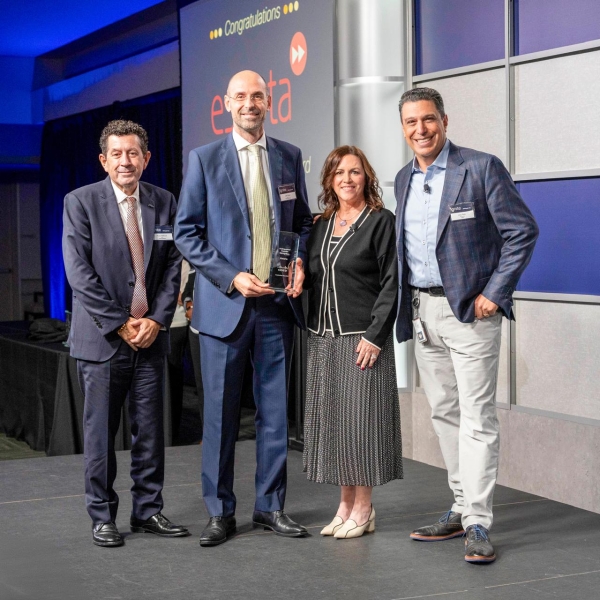
Estarta Named Cisco Systems' Distinguished Supplier of the Year 2024
Milan-Cortina 2026 Olympic Winter Games: freestyle skiing women's freeski slopestyle qualification
Orange Jordan Sponsors Al Hussein Technical University’s "Leadathon"
The CEO of Orange Jordan Visits Yarmouk University President to Strengthen the Strategic Partnership
*Orange Jordan Showcases Fabrication Lab Innovations at the Makers’ Forum
3 Winners at Orange Summer Challenge 2024 Join the “Social Innovation” Journey Fostering "Tech4Impact”
Estarta Named Cisco Systems' Distinguished Supplier of the Year 2024
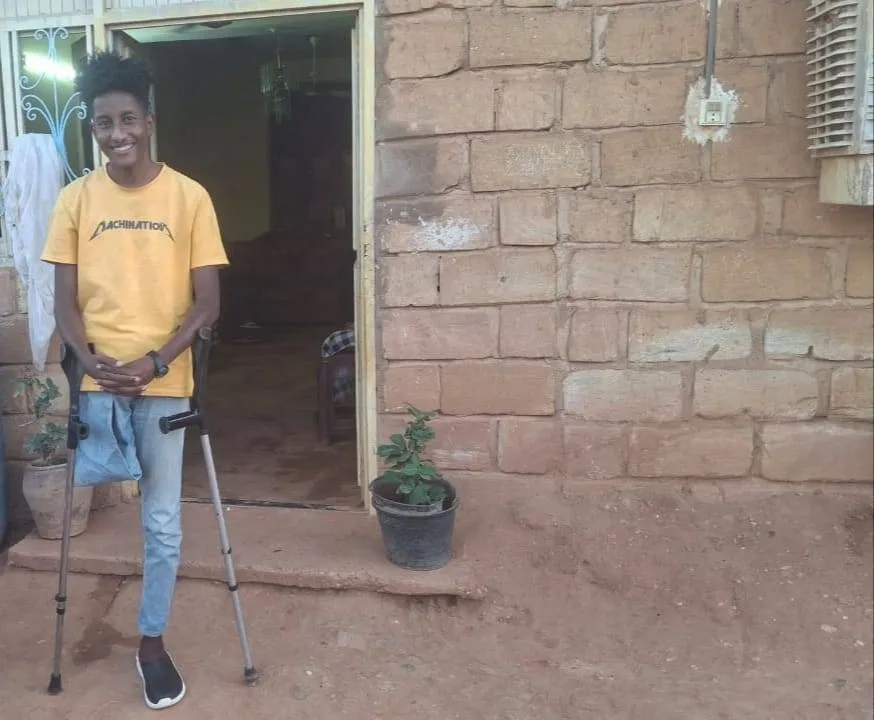
Hundreds of children in Sudan have been left with permanent disabilities as a result of the ongoing conflict between the army and the Rapid Support Forces, which began in April 2023, according to reports and testimonies gathered.
The conflict has overwhelmed medical services, leading to amputations following injuries from stray bullets and live ammunition.
Zainab Mujahid, an eight-year-old girl, narrowly escaped death when a shell struck her family's home in Omdurman. The blast resulted in the loss of her right eye and severe burns to her face and body. Her father and two sisters were killed in the attack, leaving her in the care of her mother.
Fatima, Zainab's mother, recounted the horrific experience: "In a moment, everything changed. The house collapsed over our heads. My daughter and I survived, but we sustained serious injuries that we are still recovering from." Zainab has undergone two surgeries to fit a prosthetic eye and requires cosmetic surgery. Her mother fears she may develop a psychological illness because of the trauma.
Saad al-Din Mohi al-Din, 16, from Omdurman, was shot in the back during the second month of the conflict, resulting in paraplegia. He suffers from bedsores and lacks adequate medical care. His father, a day laborer, struggles to afford the 50,000 Sudanese pounds (approximately $14) needed weekly to transport his son to the hospital for wound cleaning and dressing.
According to the Sudanese National Council for Child Welfare, at least 875 children in Sudan have sustained injuries resulting in partial and permanent disabilities, including 200 in Khartoum alone. However, the council says the actual number of casualties is much higher, as the figures do not include remote areas, and many families have sought treatment for their children abroad.
Abdul Rahman Ibrahim Bahr, 17, had his right leg amputated two years ago after being shot in the thigh by armed men who he identified as belonging to the Rapid Support Forces. Once a promising student, Abdul Rahman's life has been drastically altered, and he is unable to continue his education. His family cannot afford the 4 million Sudanese pounds needed for a prosthetic limb.
The United Nations Children's Fund (UNICEF) has warned that continued violations and fighting will jeopardize the future of an entire generation in Sudan. Humanitarian organizations and the Sudanese Prosthetics and Orthotics Centre are working to provide wheelchairs, prosthetics, and other medical supplies to children with disabilities. Last year, the center provided nearly 1,000 devices and equipment for people with disabilities, including 600 for children injured in the conflict.
Prior to the conflict, Sudan already faced a critical shortage of medical supplies. Official reports indicate that the war has increased the number of people with disabilities, with thousands, including children, undergoing amputations. The Sudanese Ministry of Health in Khartoum acknowledges that a significant number of children and young people between the ages of 6 and 18 have sustained injuries from ammunition and explosives, leading to temporary and permanent disabilities.