 Milan-Cortina 2026 Olympic Winter Games: freestyle skiing women's freeski slopestyle qualification
Orange Jordan Sponsors Al Hussein Technical University’s "Leadathon"
The CEO of Orange Jordan Visits Yarmouk University President to Strengthen the Strategic Partnership
*Orange Jordan Showcases Fabrication Lab Innovations at the Makers’ Forum
3 Winners at Orange Summer Challenge 2024 Join the “Social Innovation” Journey Fostering "Tech4Impact”
Estarta Named Cisco Systems' Distinguished Supplier of the Year 2024
Milan-Cortina 2026 Olympic Winter Games: freestyle skiing women's freeski slopestyle qualification
Orange Jordan Sponsors Al Hussein Technical University’s "Leadathon"
The CEO of Orange Jordan Visits Yarmouk University President to Strengthen the Strategic Partnership
*Orange Jordan Showcases Fabrication Lab Innovations at the Makers’ Forum
3 Winners at Orange Summer Challenge 2024 Join the “Social Innovation” Journey Fostering "Tech4Impact”
Estarta Named Cisco Systems' Distinguished Supplier of the Year 2024
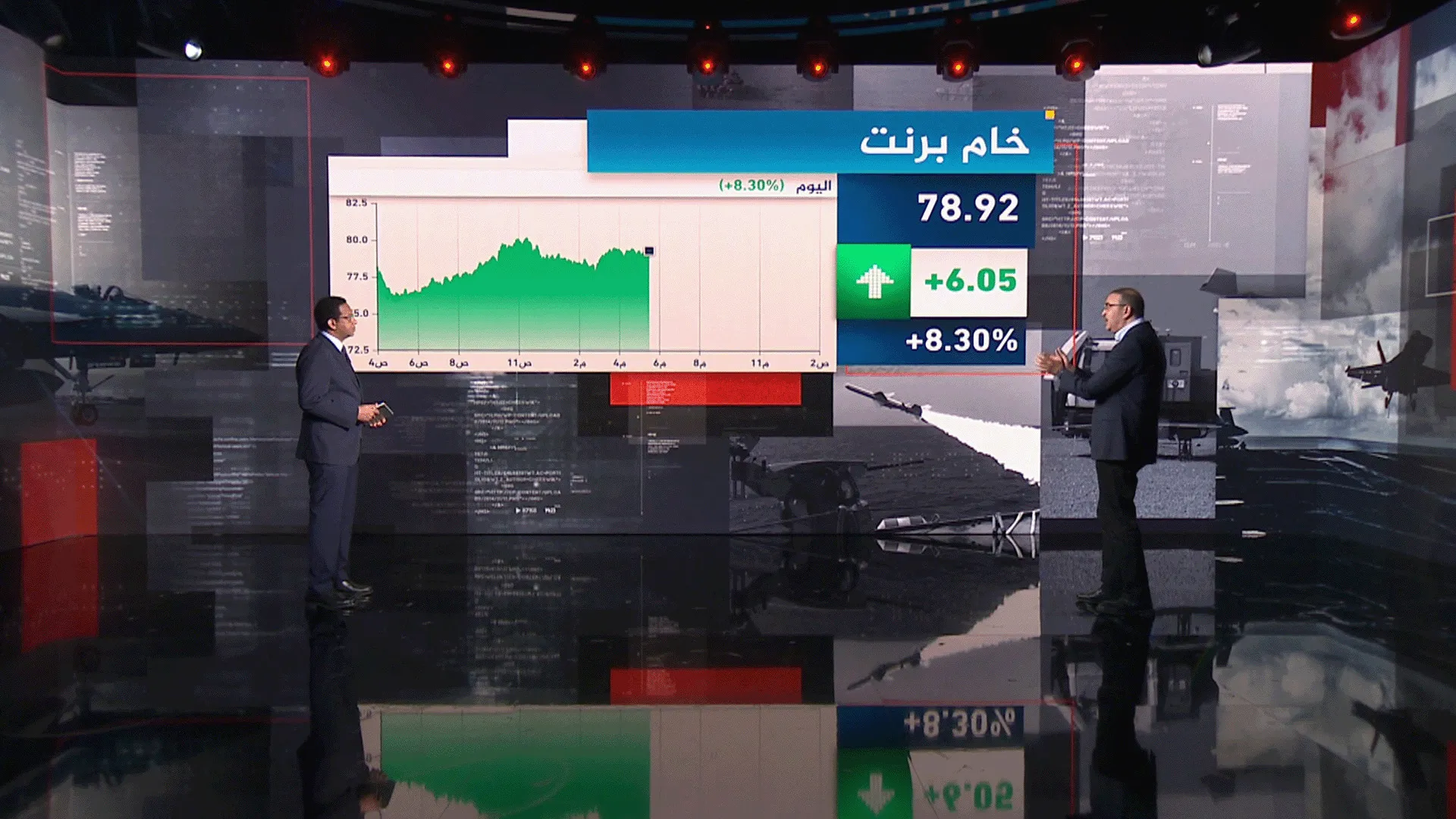
Escalating tensions in the Persian Gulf are sending shockwaves through the global energy market, raising concerns about supply disruptions and potential price spikes.
The military confrontations are increasingly targeting energy infrastructure and shipping lanes, creating uncertainty and anxiety in global markets.
The immediate impact was felt on Wall Street, where major indices like the Dow Jones, S&P 500, and Nasdaq experienced declines amid fears of a wider conflict involving Iran. While not a market crash, the downturn reflected investor apprehension over potential energy supply disruptions, particularly the closure of the Strait of Hormuz.
Oil prices have already seen a surge, prompting some investors to seek refuge in gold, which has also risen in value. Market sentiment is highly sensitive to statements from Washington regarding the conflict's trajectory, with concerns mounting that the situation could escalate beyond a short-term crisis.
The direct targeting of major refineries signals a shift of the conflict into the economic sphere. Brent crude oil initially jumped by 13% to $82 a barrel before settling, marking a 30% increase since the beginning of the year. West Texas Intermediate also climbed, reaching $72 a barrel, a rise of nearly 7.5%.
The gas market is facing significant turbulence, with approximately 25% of Qatar's liquefied natural gas (LNG) passing through the Strait of Hormuz. Following Qatar's announcement of a production halt in Ras Laffan, European gas prices traded in Amsterdam surged by 44% in a single day, reaching around 45-46 euros per megawatt-hour. British gas prices in London also spiked by nearly 50% before stabilizing.
Goldman Sachs estimates that a prolonged closure of the Strait of Hormuz could lead to a staggering 130% increase in gas prices.
Strategic reserves can cover disruptions for a limited period, typically between 15 to 30 days. However, the crisis will intensify with prolonged outages.
Losing a quarter of the world's LNG supply in a single day is an unprecedented shock. Prices could double within two weeks if the disruption persists, and potentially quadruple within a month.
There are no viable alternatives to the Strait of Hormuz and the concentration of global gas supplies in the Gulf region. Furthermore, any disruption to Saudi Arabia's production, particularly at key facilities like Ras Tanura, would exacerbate the oil price shock if the conflict drags on.
The Saudi Ministry of Defense reported an attack on the Ras Tanura refinery by drones, leading to the shutdown of some operating units and a fire that was brought under control.
QatarEnergy also announced the cessation of LNG production following attacks on operational stations in Mesaieed and Ras Laffan. Additionally, the Oman Maritime Security Centre reported an attack on an oil tanker by an unmanned vessel.
The Islamic Revolutionary Guard Corps (IRGC) claimed responsibility for targeting three tankers, allegedly British and American, while the UK Maritime Trade Operations reported attacks on two vessels in the Gulf and another off the coast of Bahrain.
Shipping traffic through the Strait has been significantly disrupted, with reports indicating a near-total standstill. Approximately 7,200 flights have been canceled over a three-day period.