 Milan-Cortina 2026 Olympic Winter Games: freestyle skiing women's freeski slopestyle qualification
Orange Jordan Sponsors Al Hussein Technical University’s "Leadathon"
The CEO of Orange Jordan Visits Yarmouk University President to Strengthen the Strategic Partnership
*Orange Jordan Showcases Fabrication Lab Innovations at the Makers’ Forum
3 Winners at Orange Summer Challenge 2024 Join the “Social Innovation” Journey Fostering "Tech4Impact”
Estarta Named Cisco Systems' Distinguished Supplier of the Year 2024
Milan-Cortina 2026 Olympic Winter Games: freestyle skiing women's freeski slopestyle qualification
Orange Jordan Sponsors Al Hussein Technical University’s "Leadathon"
The CEO of Orange Jordan Visits Yarmouk University President to Strengthen the Strategic Partnership
*Orange Jordan Showcases Fabrication Lab Innovations at the Makers’ Forum
3 Winners at Orange Summer Challenge 2024 Join the “Social Innovation” Journey Fostering "Tech4Impact”
Estarta Named Cisco Systems' Distinguished Supplier of the Year 2024
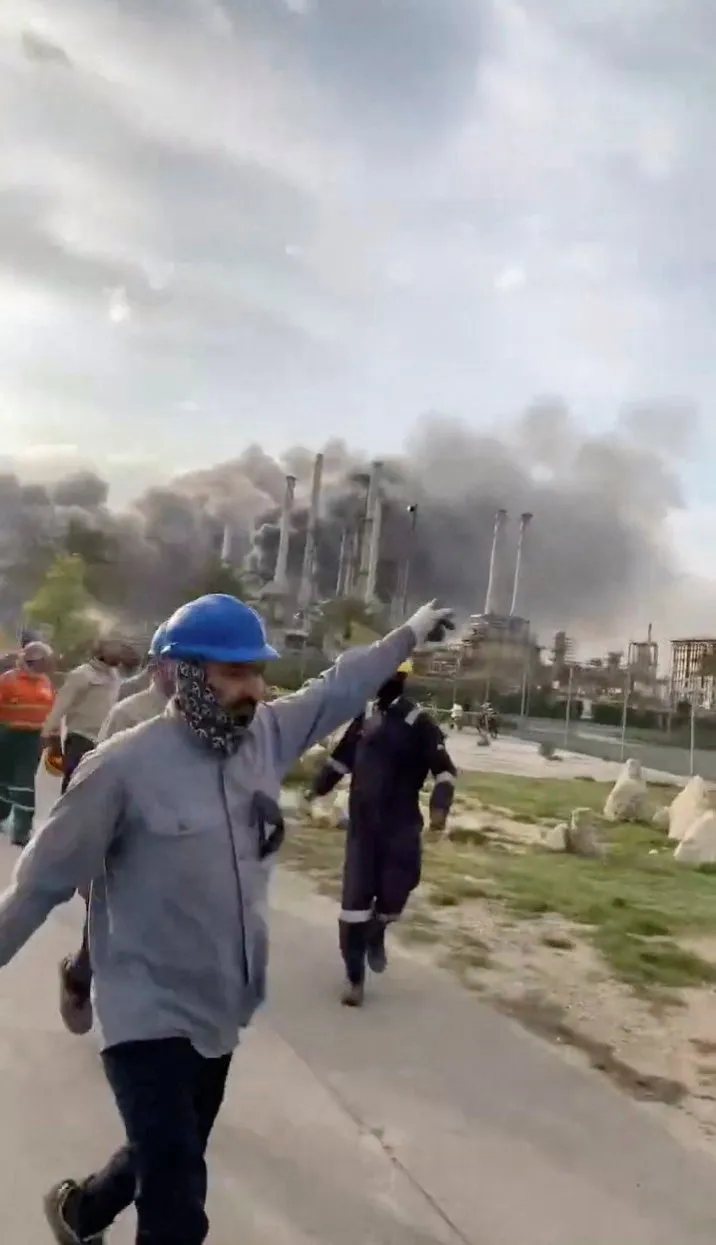
Escalating tensions in the Middle East are sending shockwaves through global energy markets, disrupting oil and gas supplies and raising concerns about energy security worldwide.
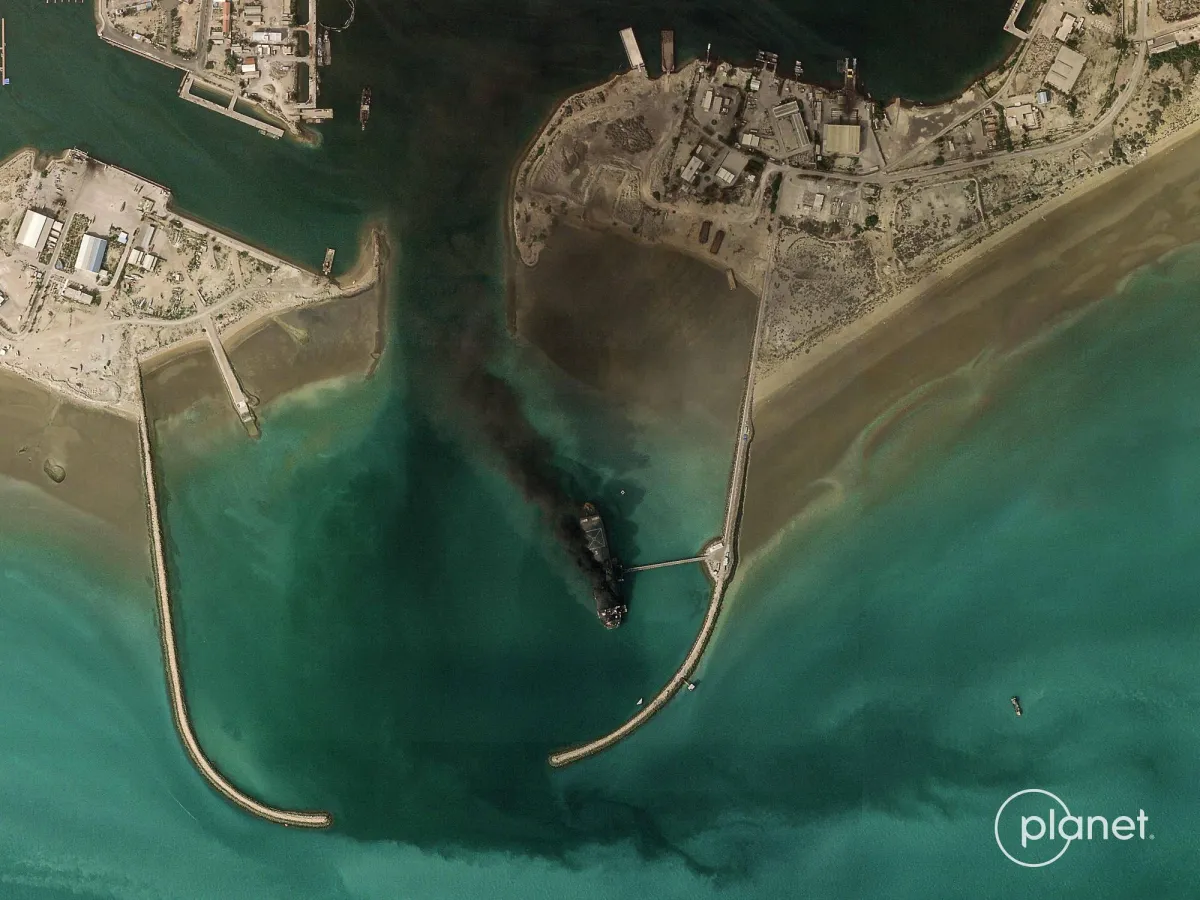
The disruptions follow reported attacks on critical energy infrastructure in the Gulf region, including facilities in Qatar and Saudi Arabia, triggering a surge in oil prices and prompting major shipping companies to suspend operations through key waterways.
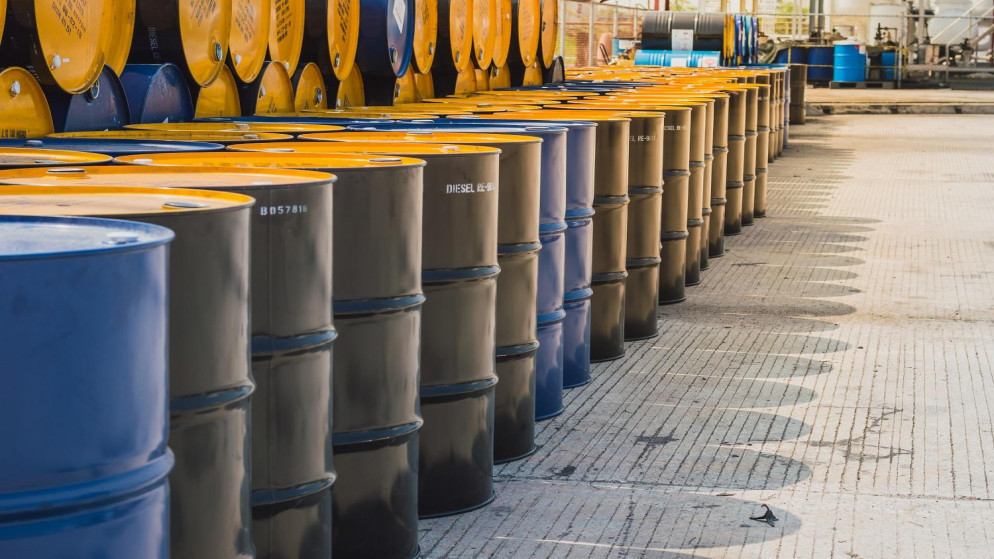
Oil prices jumped as much as 13% following the incidents, briefly surpassing $82 a barrel, the highest level since January 2025. The near-total halt of shipping traffic through the Strait of Hormuz, a chokepoint for approximately one-fifth of the world's oil supply, further exacerbated market anxieties.
QatarEnergy announced a halt to liquefied natural gas (LNG) production after reported attacks on its facilities in Ras Laffan and Mesaieed. Qatar is a major player in the global LNG market, accounting for roughly 20% of global supply, second only to the United States. The majority of Qatar's LNG exports, approximately 82%, are destined for Asia, making the region particularly vulnerable to prolonged disruptions.
Saudi Arabia's Ministry of Defense reported intercepting drones targeting the Ras Tanura refinery, a major refining and export hub on the Gulf coast with a capacity of 550,000 barrels per day. Reuters reported that Aramco, the Saudi state oil company, had preemptively shut down the refinery, further straining global supplies.
Kuwait Petroleum Corporation reported that fragments fell near the Mina Al-Ahmadi refinery, resulting in minor injuries. Additionally, reports indicated that most oil production in the Kurdistan region of Iraq has been suspended, and key Israeli gas fields have ceased operations, curtailing gas exports to Egypt.
Yemen's Houthi rebels have threatened to escalate attacks in the Red Sea, adding to the risks surrounding the Bab al-Mandab Strait, a critical waterway for oil and LNG shipments. Economic reports suggest that approximately 12% of seaborne oil trade and 8% of LNG trade passed through the Bab al-Mandab Strait in the first half of 2023, highlighting its strategic importance.
The Gulf Cooperation Council (GCC) countries, including Saudi Arabia, Qatar, the United Arab Emirates, Oman, Kuwait, and Bahrain, are particularly exposed given their reliance on oil and gas exports. Hydrocarbon production accounts for approximately half of the region's GDP and up to 70% of government revenues, according to EFG International.
In Kuwait, oil revenues represented 84% of budget revenues in 2025, equivalent to 62% of the general budget. In Saudi Arabia, oil revenues accounted for 54.6% of total revenues in the 2025 budget. In Oman, oil contributed 52% of public revenues, with gas adding another 16%, according to the Oman News Agency.
The GCC countries collectively produce over 16.1 million barrels of oil per day and possess estimated reserves of 512.1 billion barrels. Their marketable natural gas production is approximately 444 billion cubic meters, making them a leading oil producer and the world's third-largest gas producer, according to the GCC's media center. Any prolonged disruption threatens public finances, monetary stability, and economic diversification plans.
Egypt's Suez Canal, a vital artery for global trade, has seen a significant decline in revenues due to Red Sea disruptions. The Central Bank of Egypt reported a 45.5% decrease in canal revenues in fiscal year 2024/2025, falling to $3.6 billion compared to $6.6 billion in the previous year. Compared to $8.8 billion in 2022/2023, the decline is approximately 59%. President Abdel Fattah el-Sisi stated that monthly losses have reached approximately $800 million, while Reuters estimates 2024 losses at around $7 billion.
Israel produces gas from the Leviathan, Tamar, and Karish fields. According to the Israeli Ministry of Energy, production reached 27.4 billion cubic meters in 2024. Exports to Egypt and Jordan increased by 13.4% to reach 13.11 billion cubic meters, compared to 11.56 billion in 2023.
However, a ministry spokesperson told S&P Global that some fields were temporarily shut down due to the security situation, leading to the suspension of exports. Any prolonged shutdown threatens gas supplies to Egypt and affects liquefaction and re-export facilities.
China, a major importer of Iranian oil, faces potential disruptions to crude flows, potentially impacting its energy security strategy and increasing fuel costs and economic growth. With reduced Venezuelan oil imports due to U.S. sanctions, Chinese refineries have turned to discounted Iranian crude. Further disruptions could exacerbate inflation and pressure industrial production in the world's second-largest economy.
India imports approximately 85% of its oil needs, equivalent to 4.2 million barrels per day, according to Pankaj Srivastava of Rystad Energy. Even a slight increase in prices significantly raises the import bill. Morgan Stanley noted that every sustained $10 per barrel increase could reduce Asia's GDP growth by 20-30 basis points, with India particularly affected. The current account deficit could widen by approximately 50 basis points for every $10 increase.
Even the United States, despite being the world's largest oil producer, remains sensitive to global price increases. A report by CNN suggests that a prolonged conflict would raise gasoline prices and fuel inflation. Tom Kloza, an advisor at Gulf Oil, stated that gasoline futures prices could rise 25 cents immediately, potentially translating to daily increases of 5-10 cents. He added, "Before Friday night, I was saying we would stop at $3.25 a gallon. Now, it's open."