 Milan-Cortina 2026 Olympic Winter Games: freestyle skiing women's freeski slopestyle qualification
Orange Jordan Sponsors Al Hussein Technical University’s "Leadathon"
The CEO of Orange Jordan Visits Yarmouk University President to Strengthen the Strategic Partnership
*Orange Jordan Showcases Fabrication Lab Innovations at the Makers’ Forum
3 Winners at Orange Summer Challenge 2024 Join the “Social Innovation” Journey Fostering "Tech4Impact”
Estarta Named Cisco Systems' Distinguished Supplier of the Year 2024
Milan-Cortina 2026 Olympic Winter Games: freestyle skiing women's freeski slopestyle qualification
Orange Jordan Sponsors Al Hussein Technical University’s "Leadathon"
The CEO of Orange Jordan Visits Yarmouk University President to Strengthen the Strategic Partnership
*Orange Jordan Showcases Fabrication Lab Innovations at the Makers’ Forum
3 Winners at Orange Summer Challenge 2024 Join the “Social Innovation” Journey Fostering "Tech4Impact”
Estarta Named Cisco Systems' Distinguished Supplier of the Year 2024
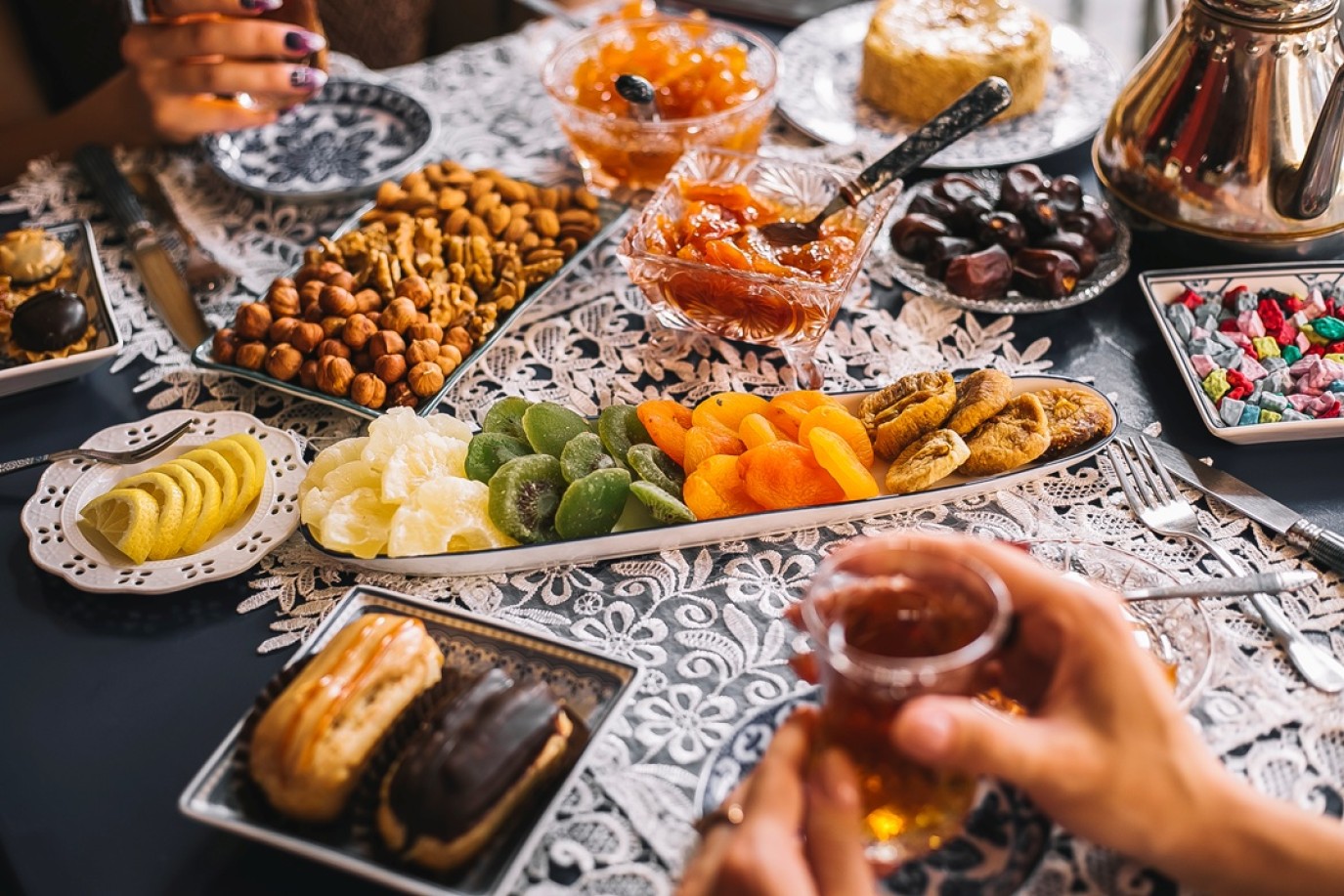
Ramadan, a month of spiritual reflection and discipline for Muslims, presents a unique opportunity to reset lifestyle habits, particularly those related to diet. Many find it an ideal time to address unhealthy eating patterns. Abeer shares her experience of transforming her relationship with food during this holy month, focusing on building sustainable, healthy habits.
Abeer, 26, describes her Ramadan experience as a turning point. She says, "Breaking bad food habits during Ramadan was one of the best decisions I've made. It wasn't just about worship; it was a chance to reset my diet and improve my overall health." Her primary challenges included excessive sugar consumption, frequent fast food intake, emotional eating, and skipping breakfast in favor of coffee.
Abeer's strategy involved setting clear, achievable goals, replacing unhealthy foods with nutritious alternatives, organizing meal times between Iftar (the evening meal breaking the fast) and Suhoor (the pre-dawn meal), and drinking enough water. She faced hurdles such as intense cravings for sweets after Iftar, family gatherings, and post-Iftar lethargy. However, she overcame these by committing to healthier habits, including starting Iftar with a light, balanced meal, reducing fried foods, controlling portion sizes, and eating a balanced Suhoor.
One key change was reducing sugar intake after Iftar. Initially, Abeer consumed large amounts of sweets like Qatayef and Kanafeh. She transitioned to fruits, reserved one day a week for sweets, and replaced sugary drinks with water. This resulted in increased energy levels and reduced post-meal sluggishness.
Another significant adjustment was organizing Suhoor. Instead of quick, unhealthy options or skipping the meal altogether, Abeer focused on protein (eggs, yogurt), complex carbohydrates (oats, whole wheat bread), and reduced salt to avoid thirst. This provided sustained energy throughout the day and reduced hunger.
Abeer also minimized fried foods, traditionally popular during Ramadan. She opted for baking or air frying and limited portion sizes. The difference was noticeable in improved digestion and a lighter feeling. Portion control was another crucial aspect. Abeer learned to start with dates and water, wait 10 minutes before the main course, eat slowly, and pay attention to satiety cues. This led to gradual weight loss without strict dieting and improved her relationship with food.
Ramadan offers a golden opportunity to reprogram eating habits. It’s not a month for weight gain, but rather for resetting and improving health. Abeer experienced improved energy levels, gradual weight loss, better sleep, and enhanced mood and concentration.
For those seeking to make similar changes, practical tips include starting Iftar wisely with dates and water, followed by a light soup. Using a smaller plate, eating slowly, and avoiding fried foods and sugary drinks on an empty stomach are also beneficial.
Smart food choices involve opting for grilled over fried foods, filling half the plate with vegetables, and replacing daily sweets with fruits or dates and nuts. Staying hydrated with 6-8 glasses of water between Iftar and Suhoor is crucial. It's important to eat only when truly hungry.
A smart Suhoor consists of protein (eggs, yogurt), complex carbohydrates (oats, whole wheat bread), and avoiding sugary foods that increase hunger later. Changing behavior, not just food, is key. Avoid eating in front of the TV, differentiate between real and emotional hunger, engage in light activity after Iftar, and practice moderation rather than complete deprivation.
Ramadan is not about compensating for deprivation but about restoring balance. Focus on gradual progress rather than perfection.
During Ramadan, Muslims fast from dawn to sunset, abstaining from food and drink. The daily routine shifts, impacting both physical and mental well-being. Studies suggest fasting can positively affect mental health, promoting well-being, improving mood, and reducing stress, anxiety, and depression, according to the World Health Organization.
Social life often becomes more active during Ramadan, with gatherings centered around the Iftar meal. This can lead to overeating and unhealthy food choices. Reduced physical activity during the month can also contribute to weight gain, and individuals with diabetes may find it challenging to manage their condition due to altered eating habits.
By following simple guidelines, it's possible to break bad food habits, lose weight, and lower blood pressure and cholesterol levels. Maintaining these habits beyond Ramadan is highly recommended.
Drink plenty of water (at least ten cups) and consume hydrating foods like soups, watermelon, and green salads. Avoid caffeinated beverages like coffee, tea, and fizzy drinks, as caffeine can increase urination and lead to dehydration. Sugary fizzy drinks also add unnecessary calories.
Avoid direct sunlight in hot weather and stay in cool, shaded areas. Replenish energy with a healthy, balanced Iftar. Eat three dates at Iftar, a good source of fiber, and plenty of vegetables for essential vitamins and nutrients.
Choose whole grains for energy and fiber. Enjoy lean grilled or baked meats, skinless chicken, and fish for a good source of healthy protein. Avoid fried and processed foods high in fat or sugar, and eat slowly to prevent overeating.
Eat a light Suhoor every day, including vegetables, a portion of carbohydrates like whole wheat bread, and protein-rich foods like dairy products (unsalted cheese, yogurt, milk) or eggs, along with tahini or avocado as a side dish.
Minimize sweets and reduce the intake of fats and salt. Ramadan sweets often contain large amounts of sugar syrup. Opt for cold, water-rich fruits like watermelon or cantaloupe, or other seasonal fruits like peaches or nectarines.
Limit fatty foods, especially fatty meats and foods made with puff pastry or pastries with added fats, ghee, or butter. Instead of frying, use other cooking methods such as steaming, cooking in sauces, stir-frying in a small amount of oil, and baking.
Avoid foods high in salt, such as sausages, processed and salted meats and fish, olives and pickles, snacks, salty cheeses, various types of ready-made biscuits, salads, spreads, and sauces (such as mayonnaise, mustard, and ketchup).
When preparing food, reduce the use of salt as much as possible. Remove the salt shaker from the table and use different herbs to improve the flavor of food. Eat slowly and in amounts appropriate to each individual's needs. Large meals cause heartburn and discomfort. Try to move as much as possible and be active in the evening, for example, by going for a regular daily walk.