 Milan-Cortina 2026 Olympic Winter Games: freestyle skiing women's freeski slopestyle qualification
Orange Jordan Sponsors Al Hussein Technical University’s "Leadathon"
The CEO of Orange Jordan Visits Yarmouk University President to Strengthen the Strategic Partnership
*Orange Jordan Showcases Fabrication Lab Innovations at the Makers’ Forum
3 Winners at Orange Summer Challenge 2024 Join the “Social Innovation” Journey Fostering "Tech4Impact”
Estarta Named Cisco Systems' Distinguished Supplier of the Year 2024
Milan-Cortina 2026 Olympic Winter Games: freestyle skiing women's freeski slopestyle qualification
Orange Jordan Sponsors Al Hussein Technical University’s "Leadathon"
The CEO of Orange Jordan Visits Yarmouk University President to Strengthen the Strategic Partnership
*Orange Jordan Showcases Fabrication Lab Innovations at the Makers’ Forum
3 Winners at Orange Summer Challenge 2024 Join the “Social Innovation” Journey Fostering "Tech4Impact”
Estarta Named Cisco Systems' Distinguished Supplier of the Year 2024
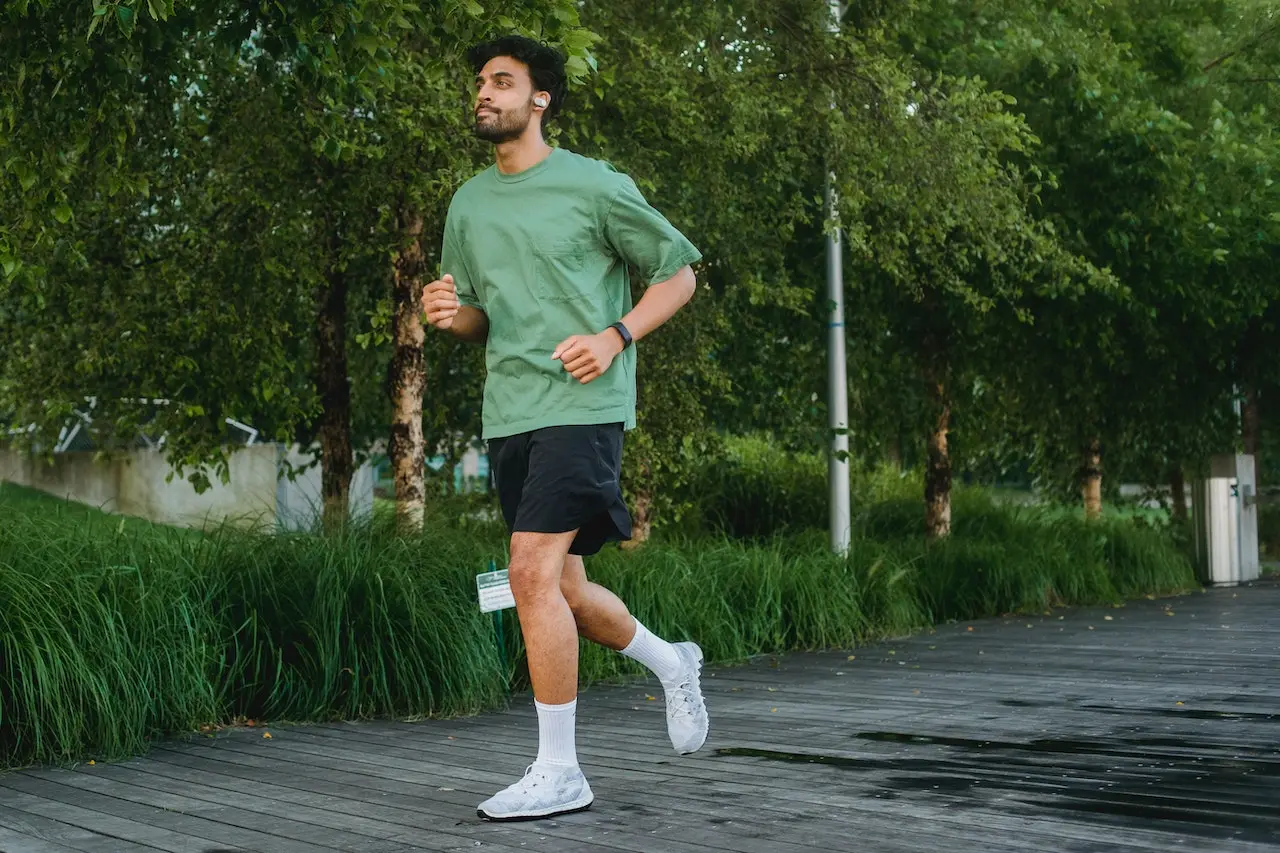
Maintaining physical activity during Ramadan requires careful consideration, especially for individuals with underlying health conditions. Medical professionals emphasize that while fasting does not necessarily preclude exercise, it necessitates a tailored approach that balances enthusiasm with informed decisions.
The decision to exercise while fasting should be made in consultation with a healthcare provider who can assess individual risk factors, adjust medication dosages if needed, and recommend appropriate exercise types, intensities, and timings.
Clinical studies and sports medicine experts agree that fasting necessitates a reorganization of physical activity routines. The potential benefits of exercise during Ramadan, such as improved metabolism and mental well-being, are attainable, but the risks, particularly for those with pre-existing conditions, are real.
Studies indicate that moderate and consistent physical activity during Ramadan may improve insulin sensitivity, regulate blood sugar levels, reduce body fat, and enhance mental health through the release of endorphins. Trials involving overweight individuals have shown that incorporating structured physical activity can promote fat loss without significantly impacting muscle mass, provided the exercise is moderate and accompanied by adequate post-iftar nutrition.
However, these positive outcomes depend on factors such as exercise intensity, timing, and individual health status. Patients taking medication require special attention due to the potential impact of fasting on drug absorption, distribution, and duration of effect.
For instance, diabetic patients on blood sugar-lowering medication are more prone to complications during exercise while fasting, as physical activity increases glucose consumption by muscles. The absence of food intake may lead to severe hypoglycemia. Clinical Ramadan studies have documented a higher rate of hypoglycemic episodes in patients whose medication dosages were not appropriately adjusted.
Similarly, patients with hypertension or heart conditions taking diuretics or blood pressure-lowering drugs may experience hypotension or dehydration if fasting is combined with intense physical activity. Fluid loss through sweating, coupled with the effects of medication, can cause dizziness or fainting, particularly later in the day.
Even patients on medications that do not directly affect sugar or fluid levels, such as certain thyroid or psychiatric medications, may experience altered responses due to changes in sleep patterns and dosage schedules, impacting their physical endurance.
Another often-overlooked group includes patients with mild or early-stage chronic conditions who are not on medication. While physical activity may seem safe for a patient with diet-controlled diabetes or mild, untreated hypertension, prolonged fasting with fluid restriction and sleep disturbances may reveal subtle imbalances in blood sugar or blood pressure. Therefore, absolute safety should not be assumed simply because medication is absent.
Medical literature suggests that the best times for physical activity during Ramadan are approximately one hour before iftar, focusing on light to moderate-intensity exercises, or two to three hours after iftar, allowing for fluid and energy replenishment. High-intensity or prolonged exercises during fasting hours are associated with an increased risk of dehydration and blood pressure or sugar disturbances, especially in vulnerable populations.
During Ramadan, eating, sleeping, and movement patterns change significantly, affecting the body's physiological balance. Some fasting individuals opt to cease exercising due to concerns about fatigue or dehydration, while others insist on maintaining their regular training programs.
Behavioral studies have observed a general decrease in daily activity levels among fasting individuals compared to non-fasting individuals, suggesting that the real challenge lies not in the inherent risk of exercise but in the tendency towards inactivity during the month.
Following hours of abstinence from food, blood glucose levels drop, and the body relies on glycogen stored in the liver and muscles before gradually transitioning to using fat as an energy source. These transitions are normal but accompanied by a gradual decrease in fluids, which may limit the ability to withstand physical exertion, especially in hot weather.