
 Milan-Cortina 2026 Olympic Winter Games: freestyle skiing women's freeski slopestyle qualification
Orange Jordan Sponsors Al Hussein Technical University’s "Leadathon"
The CEO of Orange Jordan Visits Yarmouk University President to Strengthen the Strategic Partnership
*Orange Jordan Showcases Fabrication Lab Innovations at the Makers’ Forum
3 Winners at Orange Summer Challenge 2024 Join the “Social Innovation” Journey Fostering "Tech4Impact”
Estarta Named Cisco Systems' Distinguished Supplier of the Year 2024
Milan-Cortina 2026 Olympic Winter Games: freestyle skiing women's freeski slopestyle qualification
Orange Jordan Sponsors Al Hussein Technical University’s "Leadathon"
The CEO of Orange Jordan Visits Yarmouk University President to Strengthen the Strategic Partnership
*Orange Jordan Showcases Fabrication Lab Innovations at the Makers’ Forum
3 Winners at Orange Summer Challenge 2024 Join the “Social Innovation” Journey Fostering "Tech4Impact”
Estarta Named Cisco Systems' Distinguished Supplier of the Year 2024
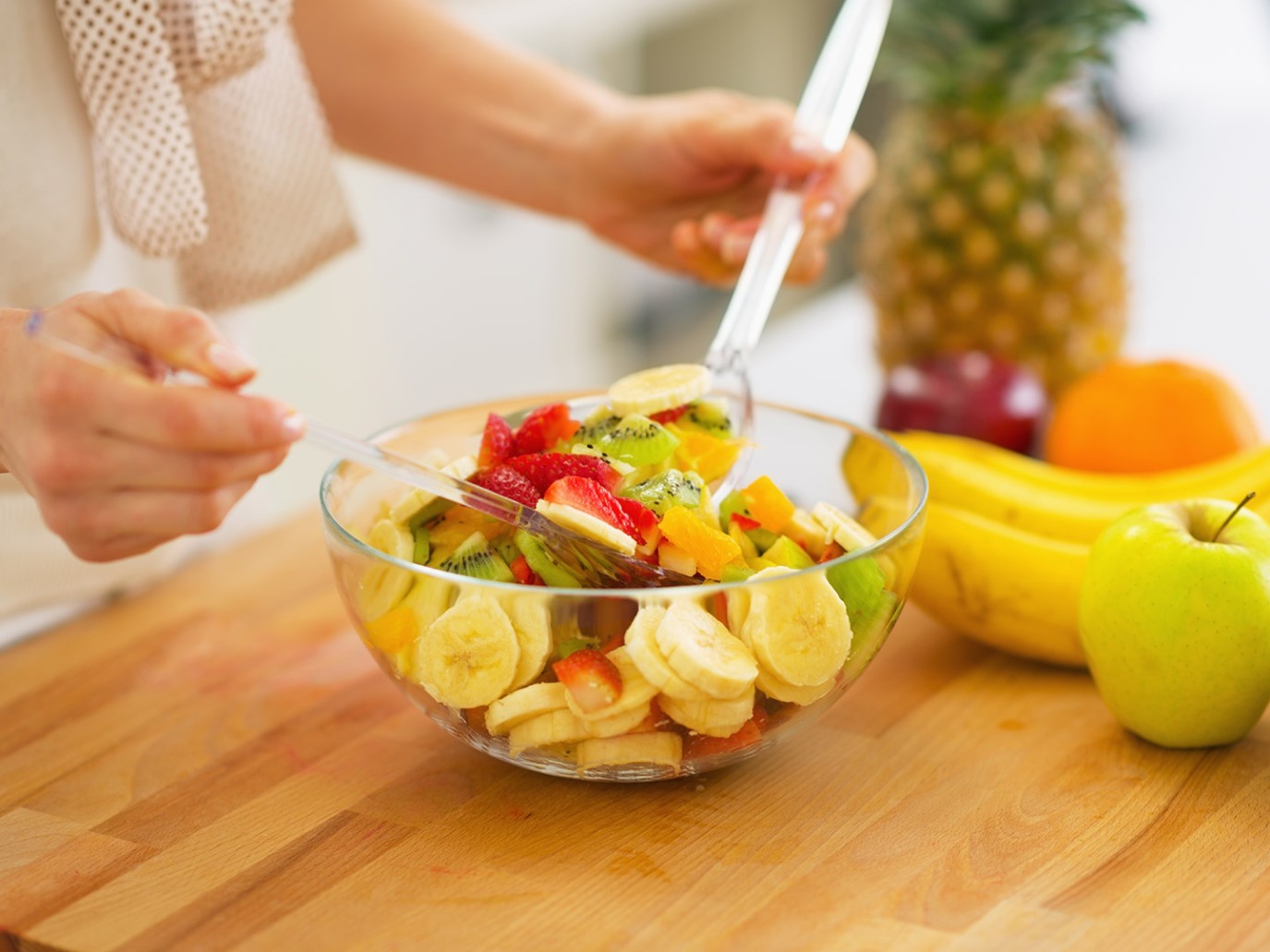
During Ramadan, choosing the right fruits between Iftar and Suhoor is crucial for maintaining hydration, energy levels, and overall health, according to nutritionist Dana Araji.
Fruits offer essential hydration due to their high water content (85-92%) found in options like watermelon, oranges, strawberries, and peaches. This helps replenish fluids lost during fasting, regulating blood pressure and improving circulation.
Moreover, fruits are vital for replenishing essential minerals such as potassium and magnesium, often depleted during fasting. Bananas, oranges, cherries, and apples can help reduce muscle cramps, headaches, and fatigue while supporting muscle and nerve functions.
The fiber content in fruits like apples, pears, and strawberries aids in promoting satiety and preventing constipation, a common issue during Ramadan. These fibers also stabilize blood sugar levels, preventing energy crashes after Iftar or before Suhoor.
Antioxidants found in watermelon, strawberries, oranges, cherries, and figs protect cells from oxidative stress caused by prolonged fasting, supporting a healthy immune system.
Fruits such as bananas, apples, pears, and peaches provide a gradual release of natural sugars, offering a steady energy source throughout the fasting hours, unlike processed sugars that cause rapid spikes and crashes.
Furthermore, the fiber in fruits supports a healthy gut microbiome, maintaining regular bowel movements and reducing bloating and gas. Fruits like papaya and pineapple contain natural enzymes that aid in digestion and nutrient absorption.
Some fruits, such as cherries, contain natural melatonin, which can improve sleep quality. Stable blood sugar and energy levels throughout the day can also enhance mood and reduce irritability caused by fasting.
Regular fruit consumption can alleviate common fasting issues like intense thirst, headaches, bloating, and fatigue, helping the body cope with physiological changes without exhaustion.
It is important to experiment with various fruits during Ramadan to discover which ones provide the best satiety, energy, and hydration, while monitoring individual responses in terms of thirst, energy, digestion, and sleep.
Watermelon, with its 92% water content, is rich in lycopene and potassium, rehydrating the body quickly and reducing headaches caused by fluid loss. Bananas, rich in potassium and vitamin B6, offer sustained energy and reduce muscle cramps.
Apples, containing soluble fiber, regulate blood sugar, promote satiety, and improve digestion. Oranges, high in vitamin C and water, boost hydration and aid iron absorption. Strawberries are low in sugar, rich in fiber, and packed with antioxidants, improving digestion and supporting immunity.
Pears, high in fiber, improve bowel movements and are gentle on the stomach. Plums, rich in vitamins and minerals, enhance digestion. Cherries, with strong antioxidants, magnesium, and potassium, support sleep due to natural melatonin.
Grapes, when consumed in moderation, provide quick energy but excessive intake may increase thirst. Pineapple, rich in vitamins, minerals, and the enzyme bromelain, aids digestion and should be consumed in small amounts to avoid acidity.
Mangoes, high in vitamins A and C, should be eaten in moderation due to their high natural sugar content. Guava, rich in vitamin C and fiber, boosts immunity and stabilizes blood sugar. Papaya contains natural digestive enzymes that improve digestion and reduce bloating.
Figs, rich in fiber and minerals, support satiety and the digestive system. Pomegranate, packed with antioxidants, improves circulation and reduces inflammation. A variety of fruits promotes overall nutritional balance and health during Ramadan.
Fruits to consume in moderation include grapes, mangoes, concentrated juices, and dried fruits in large quantities.
Signs of consuming unsuitable fruits include intense thirst, frequent headaches, lethargy, rapid hunger, bloating, and constipation or diarrhea.
To determine the most suitable fruits, consume one type daily in moderate amounts, observe thirst, energy, digestion, and satiety over 24 hours, record observations for 5-7 days, and repeat with different types.
Prioritize fruits that provide stable energy, satiety, and good hydration.
During Ramadan, timing, type, quantity, and consumption method of fruits are crucial. Consume water-rich fruits like watermelon, oranges, and strawberries two hours after Iftar to rehydrate after long fasting hours.
Before sleep, opt for light fruits like apples and pears for satiety without burdening the stomach. For Suhoor, choose fiber- and potassium-rich fruits like bananas or pears for sustained energy throughout the day.
Distribute fruit servings across multiple small meals for optimal absorption and hydration, with a serving size of one medium-sized fruit or 150-200 grams. Avoid excessive intake of high-sugar fruits like grapes or mangoes to prevent blood sugar spikes.
Chew fruits thoroughly before swallowing to promote digestion and avoid eating them directly after a heavy meal to prevent bloating. Do not mix more than two types of fruits in the same meal to ease digestion.
Avoid concentrated juices as a substitute, as they often contain added sugar and lack the fiber found in whole fruits. Drink water with fruits to prevent constipation, aid satiety, and alleviate bloating.
Monitor thirst levels, energy levels, and digestion after fruit consumption to select the most suitable fruits. Those with gastric sensitivity should avoid acidic fruits like oranges and pineapples in large quantities. Individuals with high blood sugar should opt for low-sugar fruits like apples, pears, berries, and strawberries.
For those suffering from constipation, focus on fiber- and water-rich fruits like pears, plums, watermelon, and fresh figs.
Examples of ideal fruit consumption include water with a slice of watermelon or orange after Iftar, a medium-sized apple with 5-6 strawberries as a light snack before sleep, and a banana with a pear and water for Suhoor.
Fruits are a cornerstone of health during Ramadan, maintaining hydration, energy, and stable blood sugar. Selecting the right fruits is a strategic approach to supporting digestion, the immune system, and overall well-being during this period.