 Milan-Cortina 2026 Olympic Winter Games: freestyle skiing women's freeski slopestyle qualification
Orange Jordan Sponsors Al Hussein Technical University’s "Leadathon"
The CEO of Orange Jordan Visits Yarmouk University President to Strengthen the Strategic Partnership
*Orange Jordan Showcases Fabrication Lab Innovations at the Makers’ Forum
3 Winners at Orange Summer Challenge 2024 Join the “Social Innovation” Journey Fostering "Tech4Impact”
Estarta Named Cisco Systems' Distinguished Supplier of the Year 2024
Milan-Cortina 2026 Olympic Winter Games: freestyle skiing women's freeski slopestyle qualification
Orange Jordan Sponsors Al Hussein Technical University’s "Leadathon"
The CEO of Orange Jordan Visits Yarmouk University President to Strengthen the Strategic Partnership
*Orange Jordan Showcases Fabrication Lab Innovations at the Makers’ Forum
3 Winners at Orange Summer Challenge 2024 Join the “Social Innovation” Journey Fostering "Tech4Impact”
Estarta Named Cisco Systems' Distinguished Supplier of the Year 2024
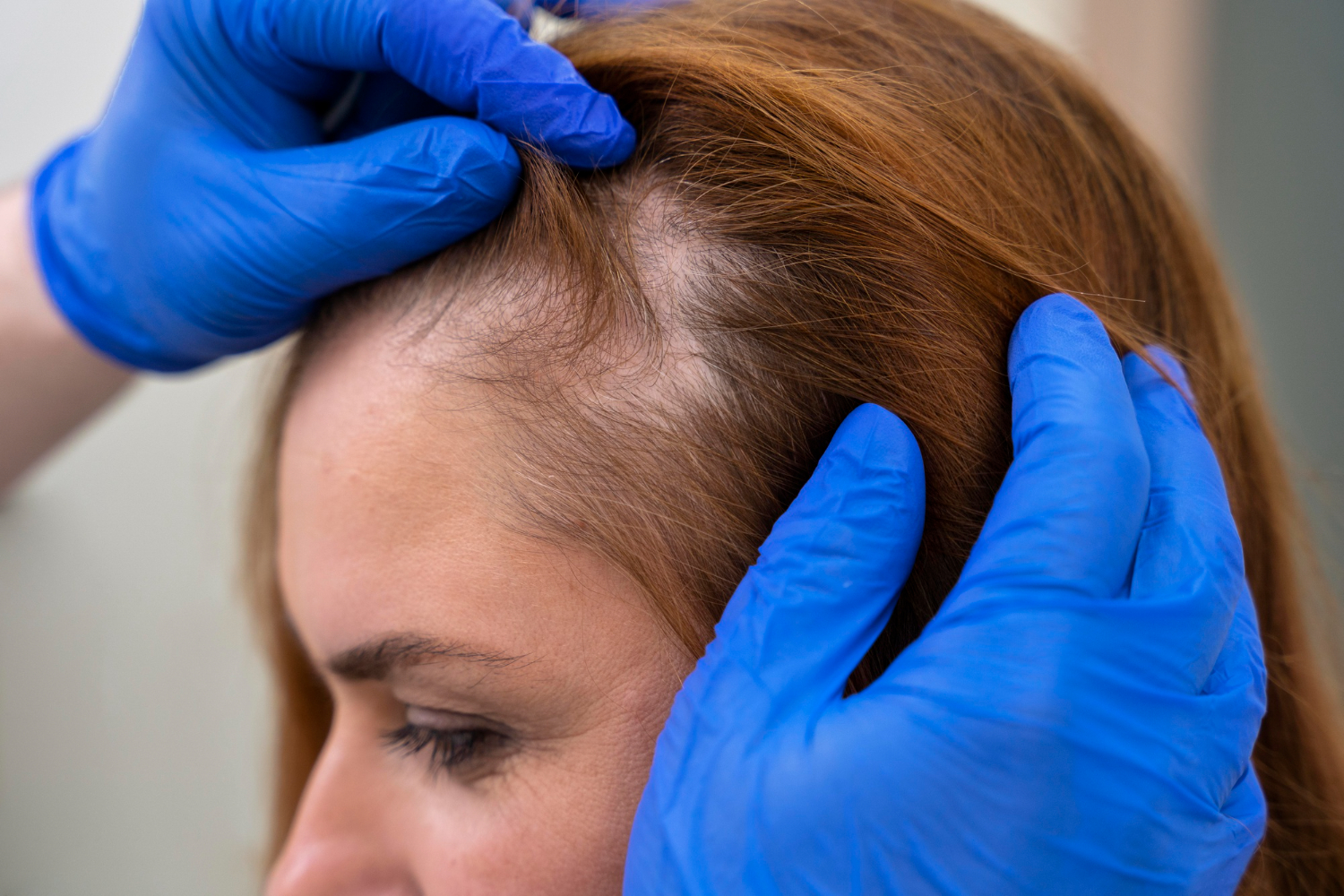
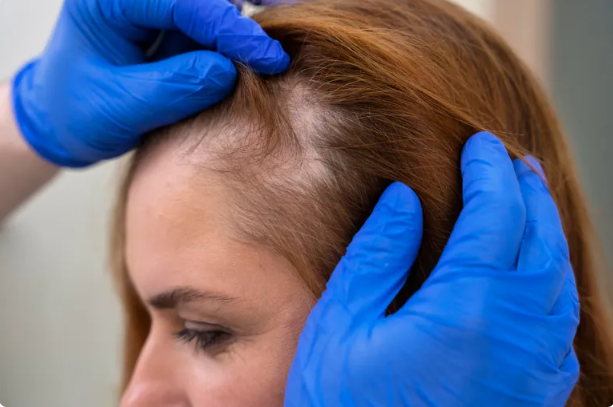
Hair loss in women, a concern affecting nearly half of all women at some point in their lives, can stem from various factors including genetics, hormonal changes, medical conditions, and lifestyle influences.
The most common cause of hair loss in women is hereditary, known as female pattern hair loss or androgenetic alopecia. This condition, often beginning in the 50s or 60s but potentially earlier, has a strong genetic component inherited from either parent. It leads to gradual shrinking of hair follicles and shorter growth phases, resulting in thinner, shorter hair.
Other types of hair loss include anagen effluvium, caused by medications like chemotherapy or radiation therapy, and telogen effluvium, triggered by physical illness, stress, nutritional deficiencies, or hormonal shifts such as pregnancy. Telogen effluvium is often temporary.
Certain medical conditions can also contribute to hair loss, including thyroid disorders, anemia, polycystic ovary syndrome, diabetes, and scalp infections. Autoimmune diseases like alopecia areata and scarring alopecias can also cause hair loss.
Lifestyle factors, such as physical stress from childbirth or surgery, psychological stress from divorce or job loss, rapid weight loss, and deficiencies in iron, protein, or vitamin D, can also play a role.
Hormonal changes related to menopause, pregnancy, and aging can also affect hair growth. Menopause leads to decreased estrogen and progesterone, while pregnancy can cause temporary hair loss a few months after childbirth. As women age, hair growth naturally slows.
Hairstyles that pull on the hair for extended periods, such as tight braids or ponytails, can lead to traction alopecia, a reversible condition if treated early. Excessive heat and harsh chemicals can also weaken hair.
Common symptoms of hair loss include finding more hair than usual in brushes, on pillows, or in the shower drain; thinning hair; a widening part; and a less dense ponytail. Unlike men, women typically experience thinning on the top or front third of the scalp rather than a receding hairline.
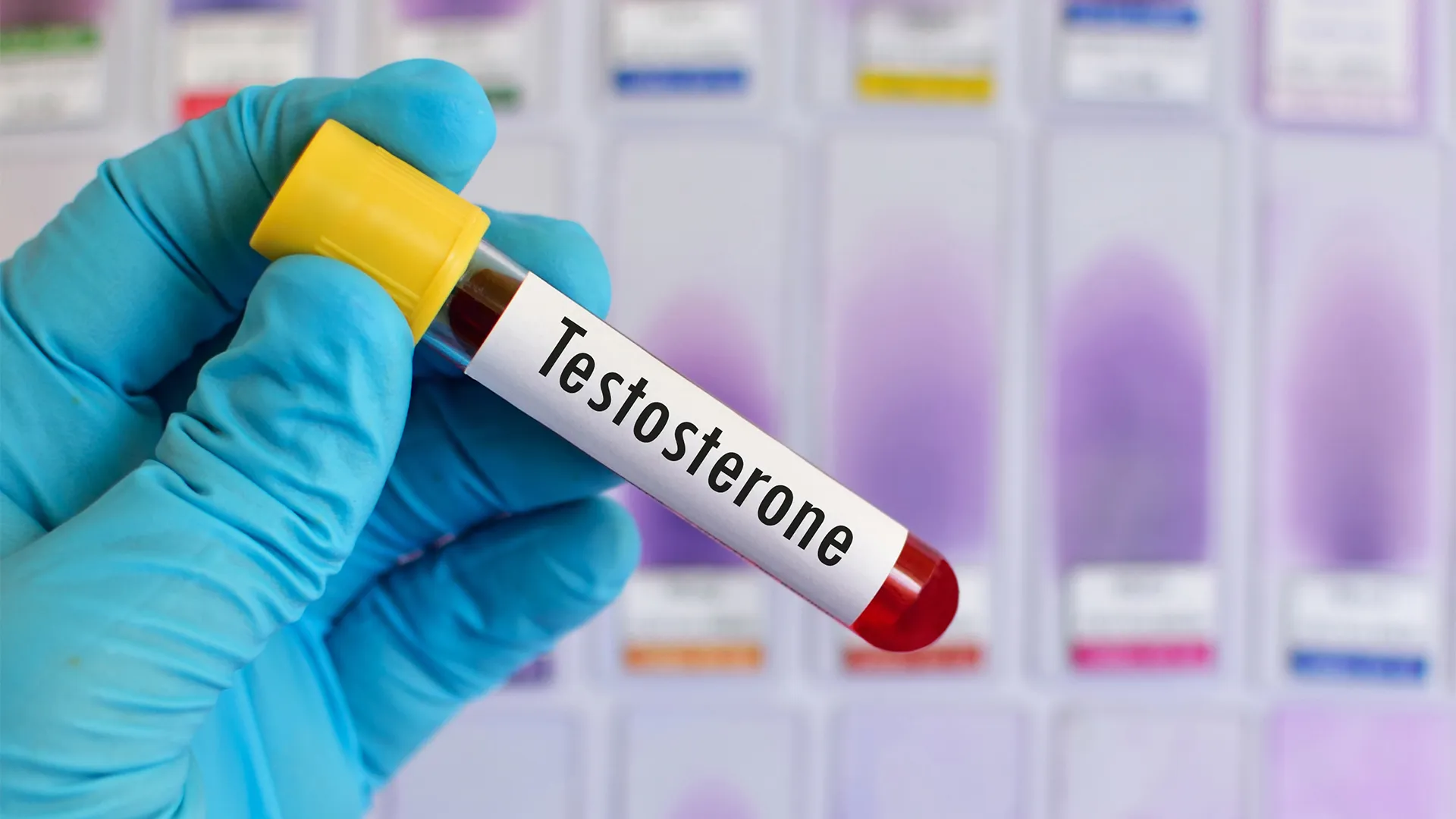
Diagnosis of hair loss involves a physical exam, blood tests to check for anemia or thyroid issues, a pull test, scalp examination, and sometimes a biopsy.
Treatment options vary depending on the cause and may include topical minoxidil, which prolongs the growth phase; spironolactone, which blocks male hormones; nutritional supplements; hair transplantation; at-home laser devices; and platelet-rich plasma (PRP) therapy with micro-needling.
Medical recommendations suggest that early intervention increases the chances of restoring hair density.
Hair grows from follicles in the skin, with new cells forming the hair shaft. The hair growth cycle includes three phases: the growth phase (anagen), lasting two to eight years; the transition phase (catagen), lasting two to four weeks; and the resting phase (telogen), lasting two to four months.
It's normal for women to lose 50 to 100 hairs daily, up to 250 on wash days. However, losing more hair or noticing significant thinning warrants attention.