
 Milan-Cortina 2026 Olympic Winter Games: freestyle skiing women's freeski slopestyle qualification
Orange Jordan Sponsors Al Hussein Technical University’s "Leadathon"
The CEO of Orange Jordan Visits Yarmouk University President to Strengthen the Strategic Partnership
*Orange Jordan Showcases Fabrication Lab Innovations at the Makers’ Forum
3 Winners at Orange Summer Challenge 2024 Join the “Social Innovation” Journey Fostering "Tech4Impact”
Estarta Named Cisco Systems' Distinguished Supplier of the Year 2024
Milan-Cortina 2026 Olympic Winter Games: freestyle skiing women's freeski slopestyle qualification
Orange Jordan Sponsors Al Hussein Technical University’s "Leadathon"
The CEO of Orange Jordan Visits Yarmouk University President to Strengthen the Strategic Partnership
*Orange Jordan Showcases Fabrication Lab Innovations at the Makers’ Forum
3 Winners at Orange Summer Challenge 2024 Join the “Social Innovation” Journey Fostering "Tech4Impact”
Estarta Named Cisco Systems' Distinguished Supplier of the Year 2024
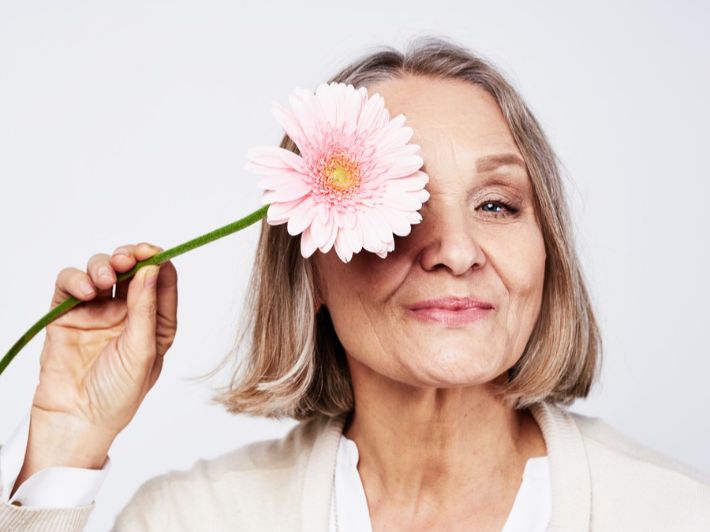
The combination of fasting and cold weather presents unique challenges for maintaining healthy, radiant skin during the winter Ramadan season. Reduced water intake during fasting, coupled with the drying effects of cold air and indoor heating, can lead to dehydration, dullness, and increased sensitivity.
However, with a few adjustments to your daily skincare routine, you can easily combat these effects and keep your skin looking its best throughout the holy month. Prioritizing gentle cleansing, deep hydration, and sun protection are key.
During Ramadan, when fluid intake is limited, the skin's natural moisture barrier can be compromised. This barrier, a thin layer of oil, is essential for regulating moisture and protecting against external aggressors. Cold weather and low humidity further weaken this barrier, leading to increased water loss from the skin.
To counteract these effects, start by reassessing your cleansing routine. Avoid harsh, heavily fragranced cleansers that strip the skin of its natural oils. Instead, opt for a gentle, creamy cleanser that removes impurities without disrupting the skin's moisture balance. Cleansing twice a day – once in the morning and once after Iftar – is sufficient to avoid over-drying.
Lightweight moisturizers that work well in the summer may not provide enough hydration during the winter Ramadan. Choose a richer, deeper moisturizer that contains humectants like hyaluronic acid, which draw moisture into the skin, and occlusives like glycerin and ceramides, which help to lock it in. Apply moisturizer immediately after cleansing, while the skin is still slightly damp, to maximize absorption.
External hydration is crucial, but it's equally important to hydrate from within. Drink plenty of water between Iftar and Suhoor, spacing it out gradually rather than consuming large amounts at once. Limit caffeine intake, as caffeinated beverages can act as diuretics and contribute to dehydration. If you enjoy coffee or tea after Iftar, be sure to increase your water intake to compensate.
Many people mistakenly believe that sunscreen is not necessary during the winter months. However, harmful UV rays are still present, even on cloudy days. Consistent use of sunscreen is essential for protecting the skin from damage and premature aging. Apply a broad-spectrum sunscreen with an SPF of 30 or higher every day, especially when going outdoors.
The skin tends to be more sensitive during Ramadan due to fasting and cold weather, so it's best to avoid over-exfoliating. Limit exfoliation to once a week, and choose a gentle chemical exfoliant over harsh physical scrubs. If you notice any redness or irritation, discontinue exfoliation temporarily and focus on moisturizing.
Ramadan can also be an opportunity to give your skin a break from active ingredients. Consider "skin fasting" by reducing your use of products like retinol, exfoliating acids, and vitamin C, allowing your skin to focus on its natural repair mechanisms. Stick to a simple routine of cleansing and moisturizing, gradually phasing out active products before Ramadan and reintroducing them after the month is over.
By following these simple steps, you can maintain healthy, hydrated, and radiant skin throughout the winter Ramadan season. A gentle cleanser, a rich moisturizer, adequate water intake, daily sunscreen, and gentle exfoliation are all essential components of a successful skincare routine.