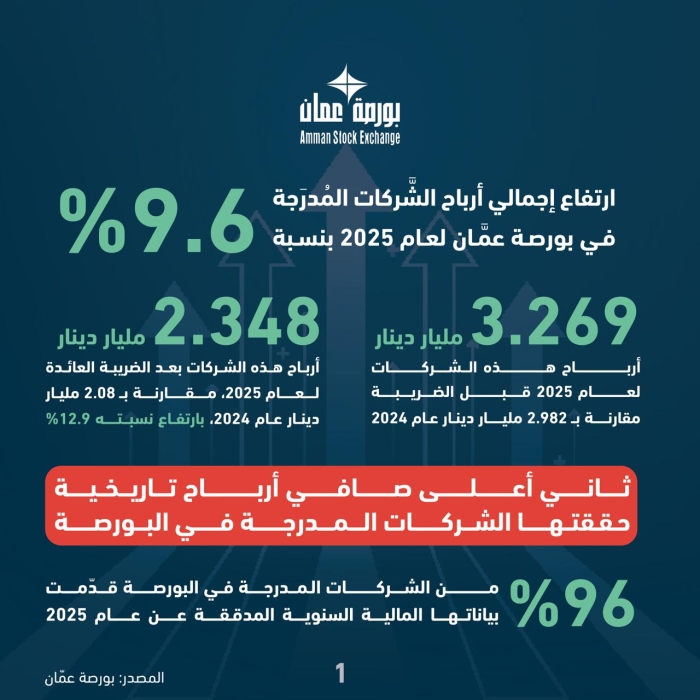
 ارتفاع إجمالي أرباح الشَّركات المُدرجة في البورصة قبل الضَّريبة بنسبة 9.6% خلال عام 2025
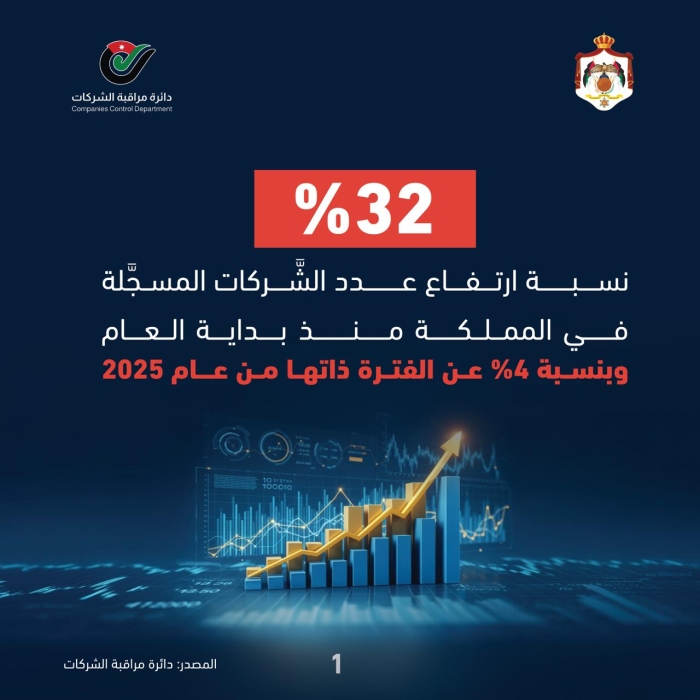
ارتفاع عدد الشَّركات المسجَّلة في المملكة منذ بداية العام بنسبة 32%
التمور الأردنية تتوسع عالميا وتصل إلى 55 سوقا دوليا
المومني: الملك يقوم بعمل دبلوماسي مكثف تمثل بأكثر من 55 اتصالا هاتفيا مع زعماء العالم
أمين عام سلطة وادي الأردن يتفقد مواقع مقترحة لإنشاء سدود في الجنوب
حزب عزم يبدأ مناقشة مشروع قانون الملكية العقارية .
الأمن العام: تعاملنا مع 585 بلاغا لحوادث سقوط بقايا صواريخ وشظايا شملت محافظات المملكة كافة
المومني: ندير الأزمة بكل كفاءة واقتدار وهدفنا حماية الأردن وتقليل التداعيات
الجيش: إيران استهدفت الأردن منذ بدء الحرب بـ 281 صاروخا ومسيرة اعترضنا 261 منها
المياه : ضبط اعتداءات في الطنيب واللبن والمفرق واربد تسحب كميات كبيرة
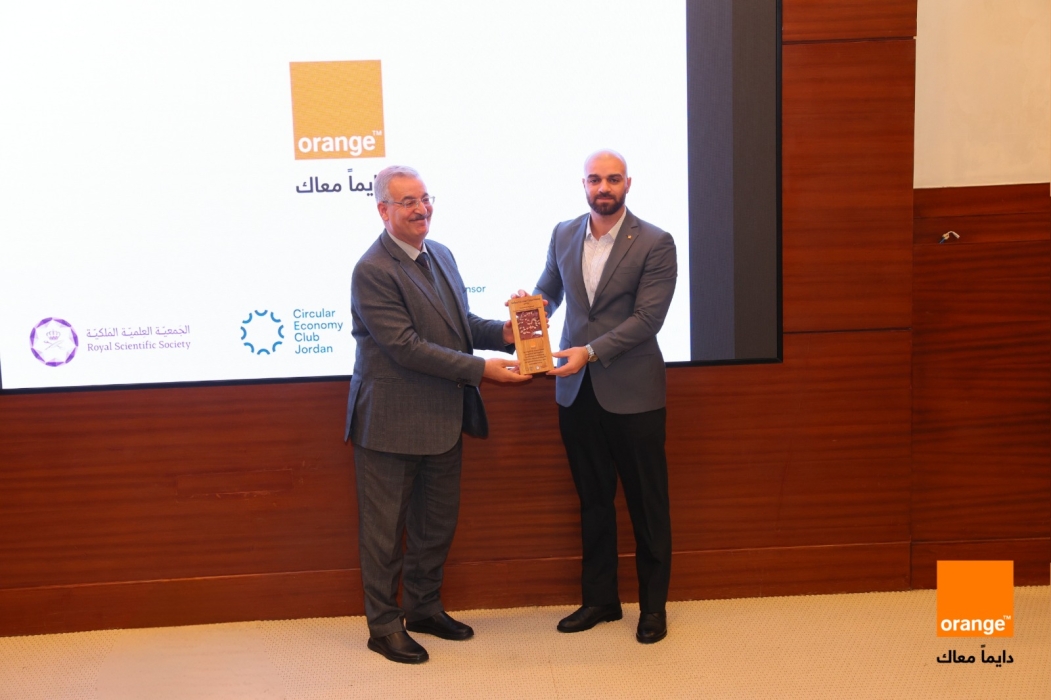
أورنج تدعم أسبوع الريادة العالمي 2026 كالراعي الحصري لتعزيز الاستدامة والمرونة الاقتصادية
تأهل تاريخي للمونديال لـ"النشامى" يعزز حضور الأردن في السياحة العالمية
"الجمارك" تضبط 3 قضايا تهريب نوعية خلال 48 ساعة
«أهان النساء» لسان نيمار يهدده بالغياب عن كأس العالم 2026
تعليق الحركة في منفذ "الشلامجة" بين العراق وإيران بعد استهدافه
منتخب الشابات يلتقي نظيره الكوري الجنوبي ببطولة كأس آسيا غدا
سقوط القناع… طهران تقصف طريق الحياة إلى فلسطين وتكشف زيف “طريق القدس”
قانون الإدارة المحلية: الاختبار الحقيقي لمسار التحديث السياسي في الأردن
52 مليون دينار أرباح "البنك العربي الإسلامي الدولي" لعام 2025
الموسم المطري ينعش قطاعي الزراعة والمياه في البادية الشمالية الغربية
ارتفاع إجمالي أرباح الشَّركات المُدرجة في البورصة قبل الضَّريبة بنسبة 9.6% خلال عام 2025
ارتفاع عدد الشَّركات المسجَّلة في المملكة منذ بداية العام بنسبة 32%
التمور الأردنية تتوسع عالميا وتصل إلى 55 سوقا دوليا
المومني: الملك يقوم بعمل دبلوماسي مكثف تمثل بأكثر من 55 اتصالا هاتفيا مع زعماء العالم
أمين عام سلطة وادي الأردن يتفقد مواقع مقترحة لإنشاء سدود في الجنوب
حزب عزم يبدأ مناقشة مشروع قانون الملكية العقارية .
الأمن العام: تعاملنا مع 585 بلاغا لحوادث سقوط بقايا صواريخ وشظايا شملت محافظات المملكة كافة
المومني: ندير الأزمة بكل كفاءة واقتدار وهدفنا حماية الأردن وتقليل التداعيات
الجيش: إيران استهدفت الأردن منذ بدء الحرب بـ 281 صاروخا ومسيرة اعترضنا 261 منها
المياه : ضبط اعتداءات في الطنيب واللبن والمفرق واربد تسحب كميات كبيرة
أورنج تدعم أسبوع الريادة العالمي 2026 كالراعي الحصري لتعزيز الاستدامة والمرونة الاقتصادية
تأهل تاريخي للمونديال لـ"النشامى" يعزز حضور الأردن في السياحة العالمية
"الجمارك" تضبط 3 قضايا تهريب نوعية خلال 48 ساعة
«أهان النساء» لسان نيمار يهدده بالغياب عن كأس العالم 2026
تعليق الحركة في منفذ "الشلامجة" بين العراق وإيران بعد استهدافه
منتخب الشابات يلتقي نظيره الكوري الجنوبي ببطولة كأس آسيا غدا
سقوط القناع… طهران تقصف طريق الحياة إلى فلسطين وتكشف زيف “طريق القدس”
قانون الإدارة المحلية: الاختبار الحقيقي لمسار التحديث السياسي في الأردن
52 مليون دينار أرباح "البنك العربي الإسلامي الدولي" لعام 2025
الموسم المطري ينعش قطاعي الزراعة والمياه في البادية الشمالية الغربية
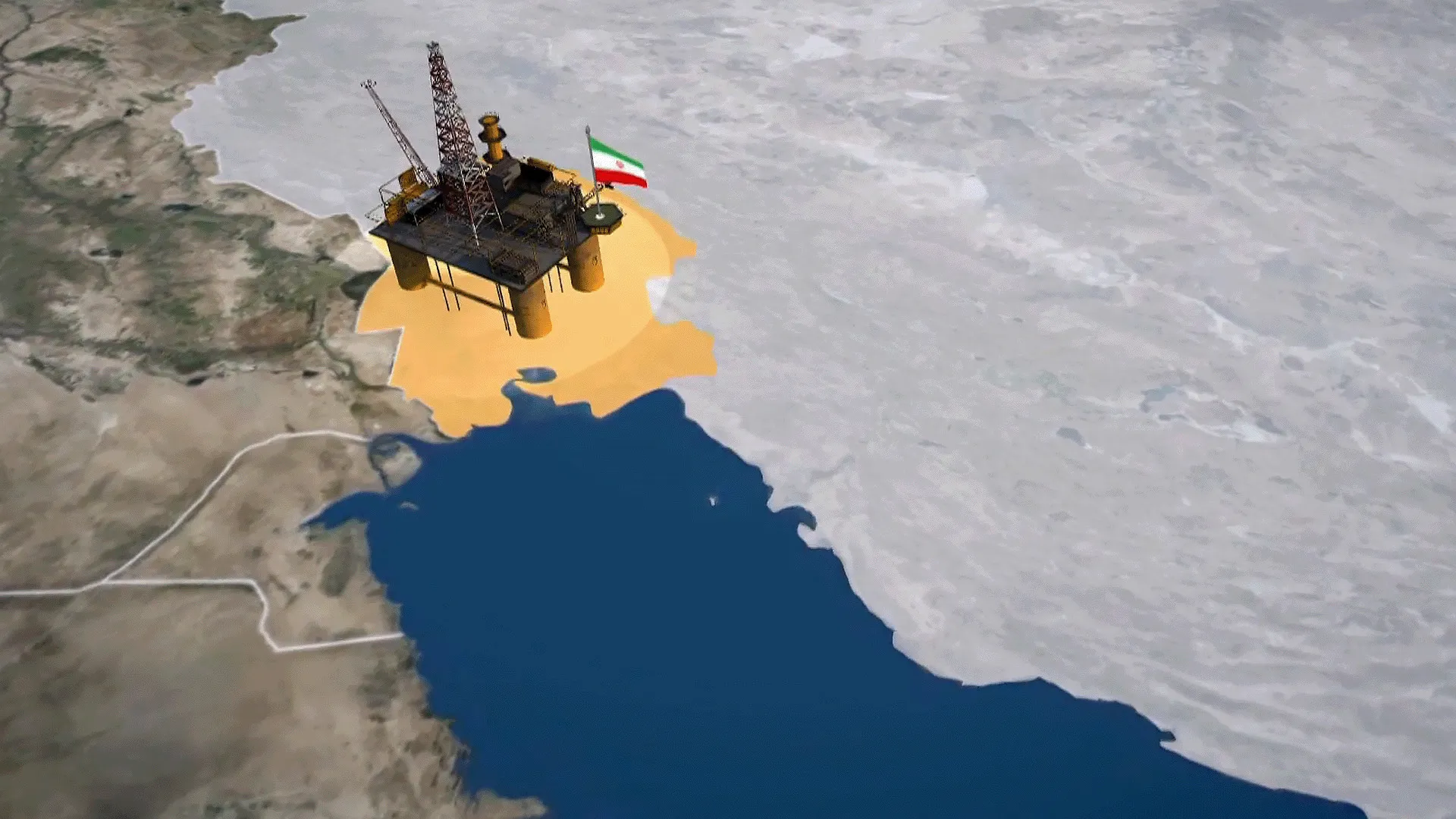
Iran faces significant hurdles in exporting its oil, despite possessing substantial production and refining capabilities, amid tightening U.S. sanctions targeting what Washington describes as a “shadow fleet” aiding Tehran in circumventing restrictions on oil sales.
The U.S. Treasury Department has imposed sanctions on numerous vessels and ship management companies, alleging their involvement in transporting hundreds of millions of dollars worth of Iranian products through deceptive shipping practices. The U.S. asserts it will continue to deprive the Iranian government of oil revenues used to fund military and weapons programs.
Iran's oil revenues reached $46 billion last year, according to data from the Organization of the Petroleum Exporting Countries (OPEC).
Iran's oil infrastructure includes several key facilities. The Ahvaz oil field is considered the third-largest in the world, with a production capacity of 750,000 barrels per day, according to Iran's oil ministry. The country's second-largest oil field, Gachsaran, produces 500,000 barrels per day. The Marun field, located in the Khuzestan province, also produces 500,000 barrels per day and has reserves of 46 billion barrels.
The Aghajari field, also in Khuzestan, is the fifth-largest in Iran, producing 200,000 barrels per day with estimated reserves of 28 billion barrels.
The Abadan refinery in Khuzestan processes 500,000 barrels per day from five regional oil fields, while the Isfahan refinery produces 375,000 barrels per day, and the Tehran refinery, supplied by three oil fields, produces 250,000 barrels per day.
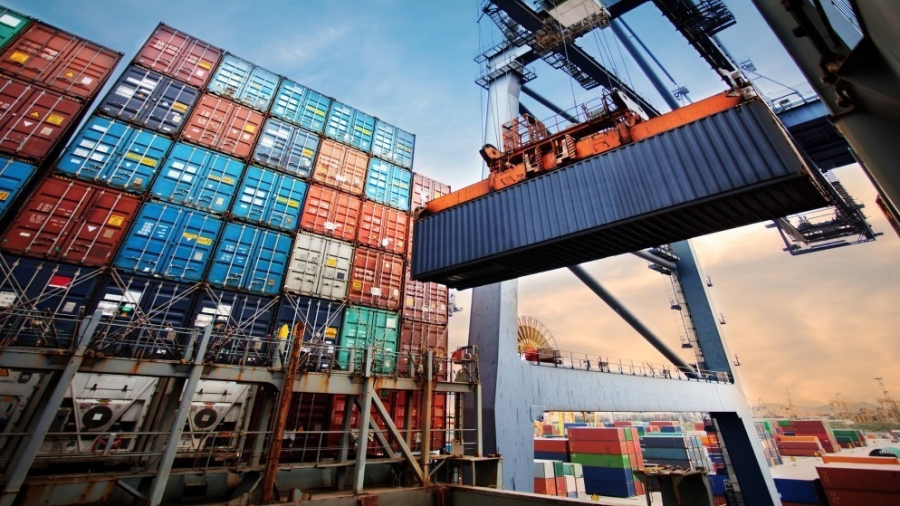
Approximately 90% of Iran's crude oil exports are shipped through the Khark Island terminal in the Persian Gulf. The Bandar Abbas port handles exports of 600,000 barrels per day of refined oil. In addition to oil, Iran exports 30 million cubic meters of gas per day through the Asaluyeh port.
The “shadow fleet” reportedly comprises older vessels with obscured ownership, operating without comprehensive insurance coverage, and is used to transport sanctioned oil.