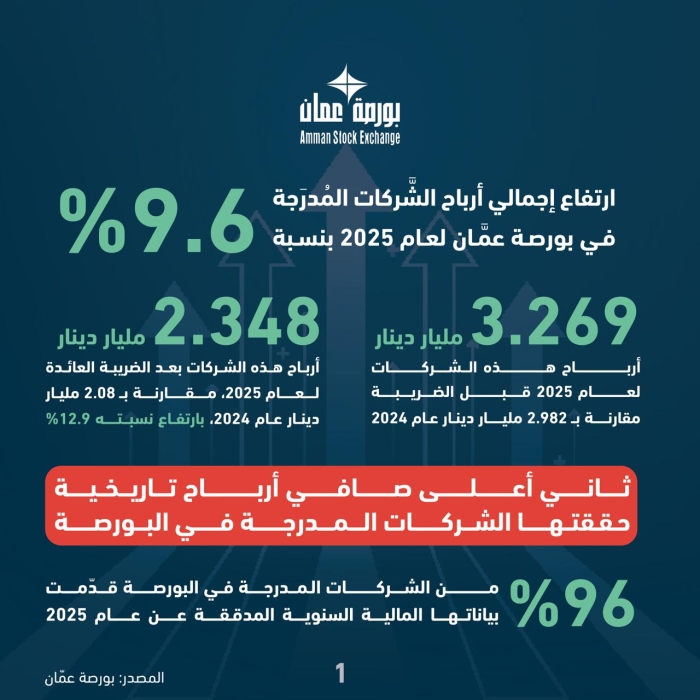
 ارتفاع إجمالي أرباح الشَّركات المُدرجة في البورصة قبل الضَّريبة بنسبة 9.6% خلال عام 2025
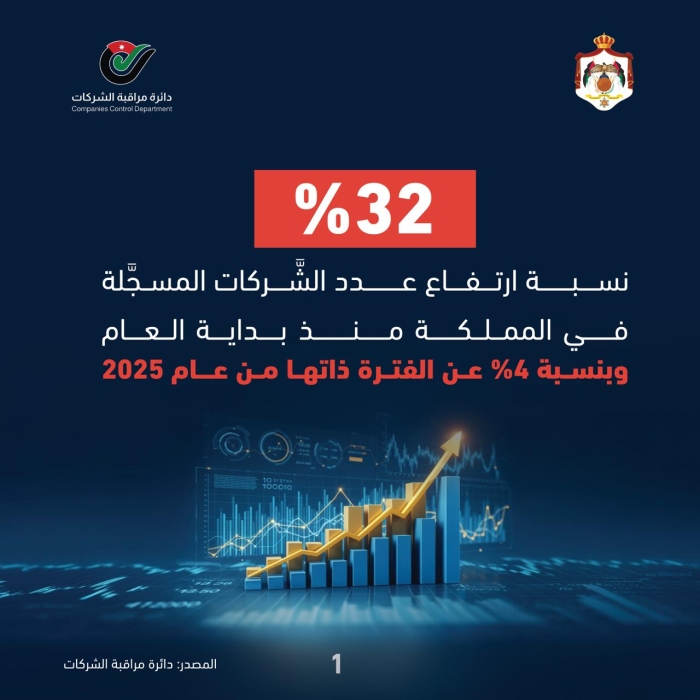
ارتفاع عدد الشَّركات المسجَّلة في المملكة منذ بداية العام بنسبة 32%
التمور الأردنية تتوسع عالميا وتصل إلى 55 سوقا دوليا
المومني: الملك يقوم بعمل دبلوماسي مكثف تمثل بأكثر من 55 اتصالا هاتفيا مع زعماء العالم
أمين عام سلطة وادي الأردن يتفقد مواقع مقترحة لإنشاء سدود في الجنوب
حزب عزم يبدأ مناقشة مشروع قانون الملكية العقارية .
الأمن العام: تعاملنا مع 585 بلاغا لحوادث سقوط بقايا صواريخ وشظايا شملت محافظات المملكة كافة
المومني: ندير الأزمة بكل كفاءة واقتدار وهدفنا حماية الأردن وتقليل التداعيات
الجيش: إيران استهدفت الأردن منذ بدء الحرب بـ 281 صاروخا ومسيرة اعترضنا 261 منها
المياه : ضبط اعتداءات في الطنيب واللبن والمفرق واربد تسحب كميات كبيرة
أورنج تدعم أسبوع الريادة العالمي 2026 كالراعي الحصري لتعزيز الاستدامة والمرونة الاقتصادية
تأهل تاريخي للمونديال لـ"النشامى" يعزز حضور الأردن في السياحة العالمية
"الجمارك" تضبط 3 قضايا تهريب نوعية خلال 48 ساعة
«أهان النساء» لسان نيمار يهدده بالغياب عن كأس العالم 2026
تعليق الحركة في منفذ "الشلامجة" بين العراق وإيران بعد استهدافه
منتخب الشابات يلتقي نظيره الكوري الجنوبي ببطولة كأس آسيا غدا
سقوط القناع… طهران تقصف طريق الحياة إلى فلسطين وتكشف زيف “طريق القدس”
قانون الإدارة المحلية: الاختبار الحقيقي لمسار التحديث السياسي في الأردن
52 مليون دينار أرباح "البنك العربي الإسلامي الدولي" لعام 2025
الموسم المطري ينعش قطاعي الزراعة والمياه في البادية الشمالية الغربية
ارتفاع إجمالي أرباح الشَّركات المُدرجة في البورصة قبل الضَّريبة بنسبة 9.6% خلال عام 2025
ارتفاع عدد الشَّركات المسجَّلة في المملكة منذ بداية العام بنسبة 32%
التمور الأردنية تتوسع عالميا وتصل إلى 55 سوقا دوليا
المومني: الملك يقوم بعمل دبلوماسي مكثف تمثل بأكثر من 55 اتصالا هاتفيا مع زعماء العالم
أمين عام سلطة وادي الأردن يتفقد مواقع مقترحة لإنشاء سدود في الجنوب
حزب عزم يبدأ مناقشة مشروع قانون الملكية العقارية .
الأمن العام: تعاملنا مع 585 بلاغا لحوادث سقوط بقايا صواريخ وشظايا شملت محافظات المملكة كافة
المومني: ندير الأزمة بكل كفاءة واقتدار وهدفنا حماية الأردن وتقليل التداعيات
الجيش: إيران استهدفت الأردن منذ بدء الحرب بـ 281 صاروخا ومسيرة اعترضنا 261 منها
المياه : ضبط اعتداءات في الطنيب واللبن والمفرق واربد تسحب كميات كبيرة
أورنج تدعم أسبوع الريادة العالمي 2026 كالراعي الحصري لتعزيز الاستدامة والمرونة الاقتصادية
تأهل تاريخي للمونديال لـ"النشامى" يعزز حضور الأردن في السياحة العالمية
"الجمارك" تضبط 3 قضايا تهريب نوعية خلال 48 ساعة
«أهان النساء» لسان نيمار يهدده بالغياب عن كأس العالم 2026
تعليق الحركة في منفذ "الشلامجة" بين العراق وإيران بعد استهدافه
منتخب الشابات يلتقي نظيره الكوري الجنوبي ببطولة كأس آسيا غدا
سقوط القناع… طهران تقصف طريق الحياة إلى فلسطين وتكشف زيف “طريق القدس”
قانون الإدارة المحلية: الاختبار الحقيقي لمسار التحديث السياسي في الأردن
52 مليون دينار أرباح "البنك العربي الإسلامي الدولي" لعام 2025
الموسم المطري ينعش قطاعي الزراعة والمياه في البادية الشمالية الغربية
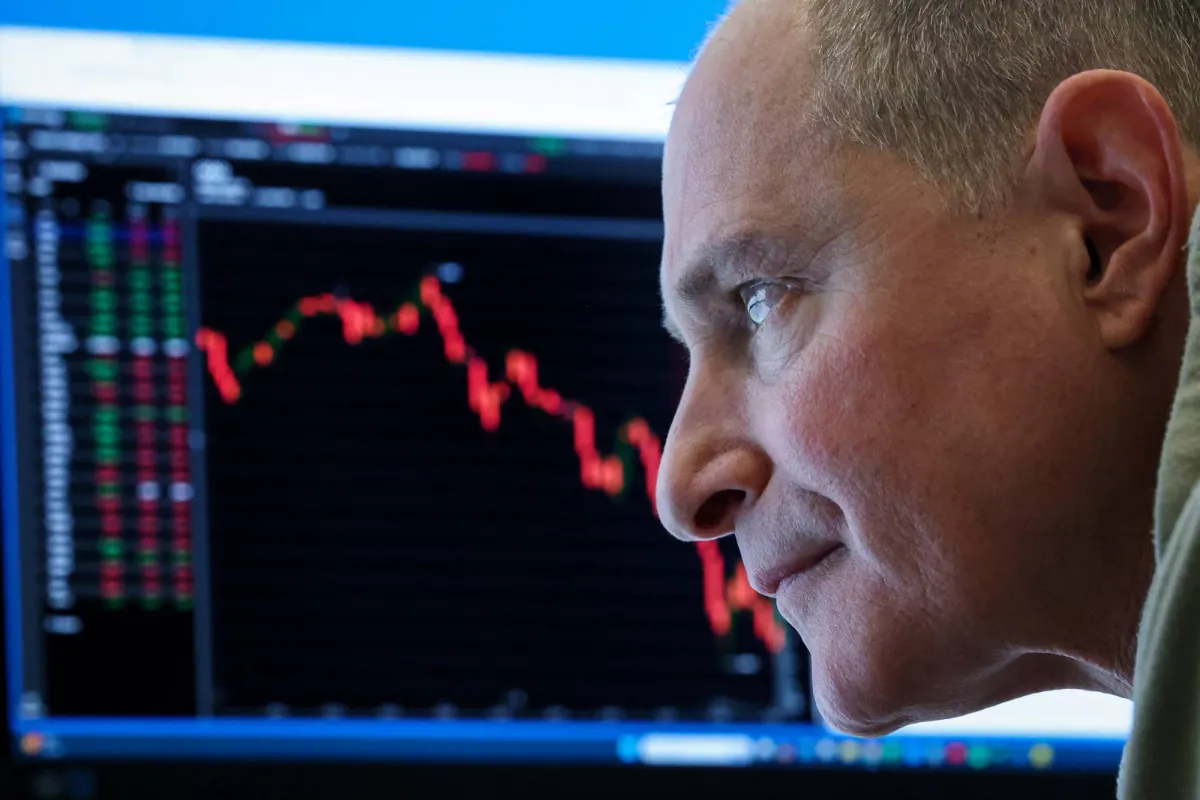
Global markets are on high alert as escalating military tensions in the Middle East trigger concerns about supply chain disruptions and a shift in investor focus towards geopolitical risk premiums.
The oil market is particularly vulnerable, with Iran's strategic location near the Strait of Hormuz, a crucial route for global crude oil supplies, raising fears of price spikes. Major companies have already suspended shipments through the strait.
Analysts predict that Brent crude prices, previously trading around $73 a barrel, could surge to $80 even if the conflict is contained, and potentially reach $100 if disruptions persist, adding significant inflationary pressure to the global economy.
These geopolitical tensions are expected to exacerbate market volatility, already heightened by trade disputes and fluctuations in tech stocks.
The U.S. market volatility index (VIX), often referred to as the "fear gauge," has risen by approximately one-third, while the MOVE index, which tracks Treasury bond volatility, has increased by 15 percent.
Currency markets are also expected to experience turbulence. While the U.S. dollar initially weakened during a past conflict, analysts suggest that its performance will depend on the scale and duration of the current tensions. A prolonged conflict disrupting oil supplies could strengthen the dollar against most currencies, except for the Japanese yen and Swiss franc, as the U.S. benefits from higher energy prices.
The Swiss franc, traditionally a safe-haven asset, faces upward pressure, potentially posing challenges for the Swiss National Bank. Bitcoin's appeal as a safe haven has diminished, further solidifying its status as a high-risk asset.
Precious metals are poised for significant price increases as investors seek refuge from geopolitical uncertainty. Gold prices briefly approached record levels, while silver saw a notable surge.
Whether these gains are sustainable depends on continued demand, persistent uncertainty, and a potential escalation of the conflict that could drive investors towards tangible assets.
The futures contracts for gold ended trading up significantly since February, raising questions about whether these gains will hold.
The conflict is creating a divergence in sector performance, with airline companies facing pressure due to flight cancellations and airspace closures, while European defense companies are attracting strong inflows.
Looking beyond the Middle East, markets are closely watching U.S. non-farm payroll data, which will provide insights into the strength of the economy and influence the Federal Reserve's monetary policy decisions.
Economists suggest that the Federal Reserve is unlikely to cut interest rates before mid-year unless there is a significant weakening of the economy.
U.S. financial markets are not anticipating interest rate cuts until July at the earliest, with some projecting no further easing until later.
Ahead of the key jobs report, data on private sector employment, unemployment claims, and manufacturing and services activity will be closely scrutinized for indications of the U.S. economy's overall health.
In Europe, attention will be focused on inflation and retail sales data for the Eurozone, as well as final GDP and employment figures for the fourth quarter.
In the UK, a Spring Budget report is scheduled, which will provide a mid-year update on public finances. Bond investors anticipate a decrease in government debt issuance, potentially leading to lower government bond yields.