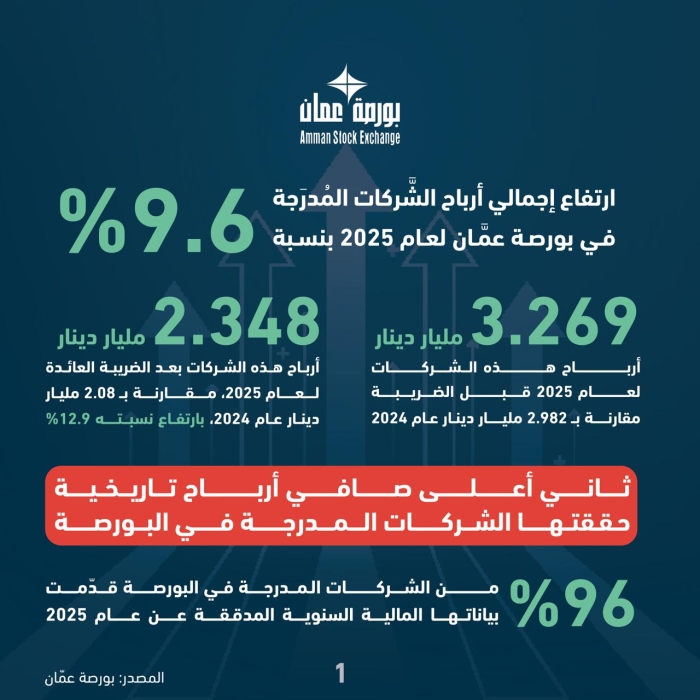
 ارتفاع إجمالي أرباح الشَّركات المُدرجة في البورصة قبل الضَّريبة بنسبة 9.6% خلال عام 2025
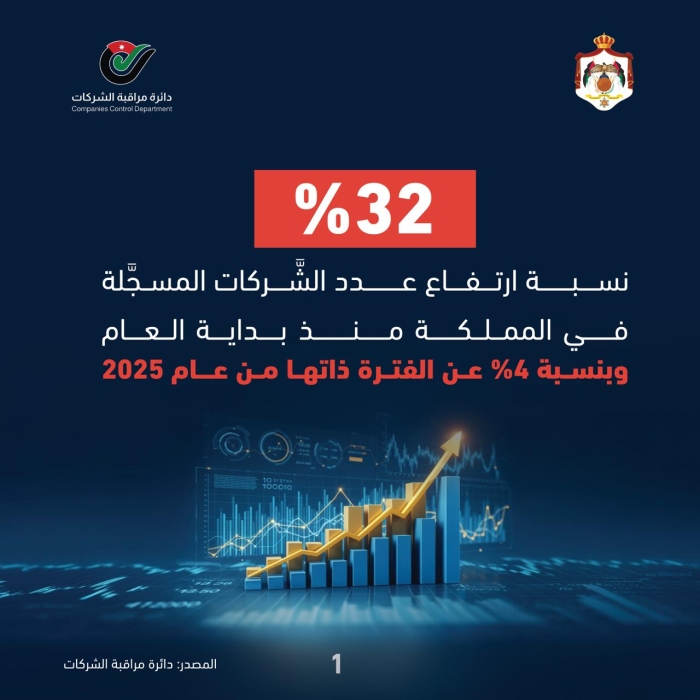
ارتفاع عدد الشَّركات المسجَّلة في المملكة منذ بداية العام بنسبة 32%
التمور الأردنية تتوسع عالميا وتصل إلى 55 سوقا دوليا
المومني: الملك يقوم بعمل دبلوماسي مكثف تمثل بأكثر من 55 اتصالا هاتفيا مع زعماء العالم
أمين عام سلطة وادي الأردن يتفقد مواقع مقترحة لإنشاء سدود في الجنوب
حزب عزم يبدأ مناقشة مشروع قانون الملكية العقارية .
الأمن العام: تعاملنا مع 585 بلاغا لحوادث سقوط بقايا صواريخ وشظايا شملت محافظات المملكة كافة
المومني: ندير الأزمة بكل كفاءة واقتدار وهدفنا حماية الأردن وتقليل التداعيات
الجيش: إيران استهدفت الأردن منذ بدء الحرب بـ 281 صاروخا ومسيرة اعترضنا 261 منها
المياه : ضبط اعتداءات في الطنيب واللبن والمفرق واربد تسحب كميات كبيرة
أورنج تدعم أسبوع الريادة العالمي 2026 كالراعي الحصري لتعزيز الاستدامة والمرونة الاقتصادية
تأهل تاريخي للمونديال لـ"النشامى" يعزز حضور الأردن في السياحة العالمية
"الجمارك" تضبط 3 قضايا تهريب نوعية خلال 48 ساعة
«أهان النساء» لسان نيمار يهدده بالغياب عن كأس العالم 2026
تعليق الحركة في منفذ "الشلامجة" بين العراق وإيران بعد استهدافه
منتخب الشابات يلتقي نظيره الكوري الجنوبي ببطولة كأس آسيا غدا
سقوط القناع… طهران تقصف طريق الحياة إلى فلسطين وتكشف زيف “طريق القدس”
قانون الإدارة المحلية: الاختبار الحقيقي لمسار التحديث السياسي في الأردن
52 مليون دينار أرباح "البنك العربي الإسلامي الدولي" لعام 2025
الموسم المطري ينعش قطاعي الزراعة والمياه في البادية الشمالية الغربية
ارتفاع إجمالي أرباح الشَّركات المُدرجة في البورصة قبل الضَّريبة بنسبة 9.6% خلال عام 2025
ارتفاع عدد الشَّركات المسجَّلة في المملكة منذ بداية العام بنسبة 32%
التمور الأردنية تتوسع عالميا وتصل إلى 55 سوقا دوليا
المومني: الملك يقوم بعمل دبلوماسي مكثف تمثل بأكثر من 55 اتصالا هاتفيا مع زعماء العالم
أمين عام سلطة وادي الأردن يتفقد مواقع مقترحة لإنشاء سدود في الجنوب
حزب عزم يبدأ مناقشة مشروع قانون الملكية العقارية .
الأمن العام: تعاملنا مع 585 بلاغا لحوادث سقوط بقايا صواريخ وشظايا شملت محافظات المملكة كافة
المومني: ندير الأزمة بكل كفاءة واقتدار وهدفنا حماية الأردن وتقليل التداعيات
الجيش: إيران استهدفت الأردن منذ بدء الحرب بـ 281 صاروخا ومسيرة اعترضنا 261 منها
المياه : ضبط اعتداءات في الطنيب واللبن والمفرق واربد تسحب كميات كبيرة
أورنج تدعم أسبوع الريادة العالمي 2026 كالراعي الحصري لتعزيز الاستدامة والمرونة الاقتصادية
تأهل تاريخي للمونديال لـ"النشامى" يعزز حضور الأردن في السياحة العالمية
"الجمارك" تضبط 3 قضايا تهريب نوعية خلال 48 ساعة
«أهان النساء» لسان نيمار يهدده بالغياب عن كأس العالم 2026
تعليق الحركة في منفذ "الشلامجة" بين العراق وإيران بعد استهدافه
منتخب الشابات يلتقي نظيره الكوري الجنوبي ببطولة كأس آسيا غدا
سقوط القناع… طهران تقصف طريق الحياة إلى فلسطين وتكشف زيف “طريق القدس”
قانون الإدارة المحلية: الاختبار الحقيقي لمسار التحديث السياسي في الأردن
52 مليون دينار أرباح "البنك العربي الإسلامي الدولي" لعام 2025
الموسم المطري ينعش قطاعي الزراعة والمياه في البادية الشمالية الغربية
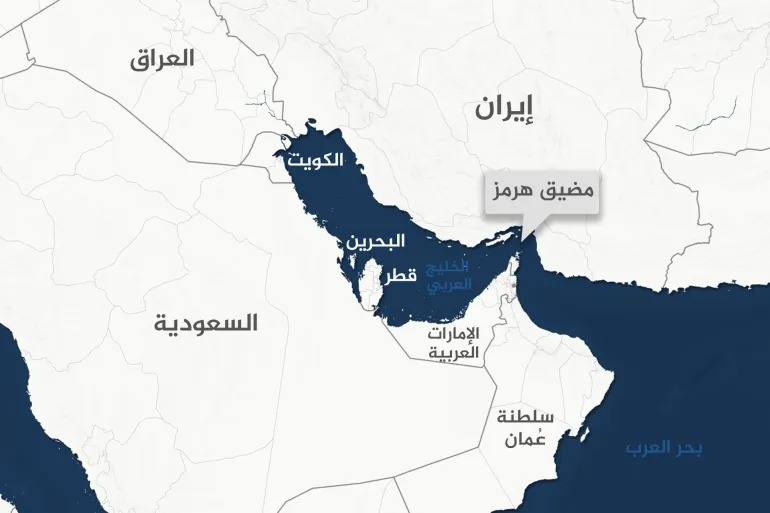
Global markets are bracing for potential economic repercussions following escalating tensions in the Middle East that have led to the closure of the Strait of Hormuz, a critical artery for global energy supplies.
Oil prices are expected to surge as concerns mount over disruptions to crude shipments. The Strait's closure threatens to destabilize energy markets and trigger a ripple effect across various sectors.
The U.S. Energy Information Administration (EIA) reports that in 2024 and the first quarter of 2025, the Strait of Hormuz facilitated over a quarter of the world's seaborne oil trade, approximately one-fifth of global oil consumption, and nearly one-fifth of global liquefied natural gas (LNG) trade. The International Energy Agency (IEA) estimates that roughly 20 million barrels of oil pass through the Strait daily.
Asian energy importers are particularly vulnerable. The EIA indicates that 84% of crude oil and condensate, and 83% of LNG flows through the Strait are destined for Asia. China, India, Japan, and South Korea collectively receive 69% of Hormuz's crude oil and condensate. Any disruption could significantly increase energy costs, widen current account deficits, and exacerbate currency volatility in these major industrial hubs.
Europe, while not as directly reliant on the Strait, will also feel the impact through globally priced energy markets. Higher oil and LNG prices will drive up the costs of electricity, petrochemicals, and industrial transportation, reigniting inflationary pressures and complicating monetary policy.
Low-income, import-dependent economies face difficult choices: expanding subsidies at the expense of strained budgets or rapidly passing on price increases to consumers, risking food and energy inflation. This scenario exacerbates debt vulnerabilities and heightens the risk of social instability.
Even Gulf economies, despite being energy exporters, are not immune. The Strait is crucial for food imports and fertilizer exports. A closure will inflate import bills, port operating costs, inventory financing, and marine insurance premiums, straining local supply chains and increasing logistical security costs.